






Kratom’s alkaloids bind to mu-opioid receptors but also produce stimulant effects at lower doses, creating a dual pharmacological profile that standard addiction protocols aren’t designed to address. You’re dealing with variable potency, prolonged withdrawal timelines, and co-occurring mental health conditions that often drove the kratom use in the first place. Fortify builds individualized treatment plans combining medical withdrawal management, medication-assisted care, and behavioral therapies like CBT to address every layer of your dependence, and there’s more to understand about how each component works.
Why Standard Addiction Treatment Isn’t Built for Kratom
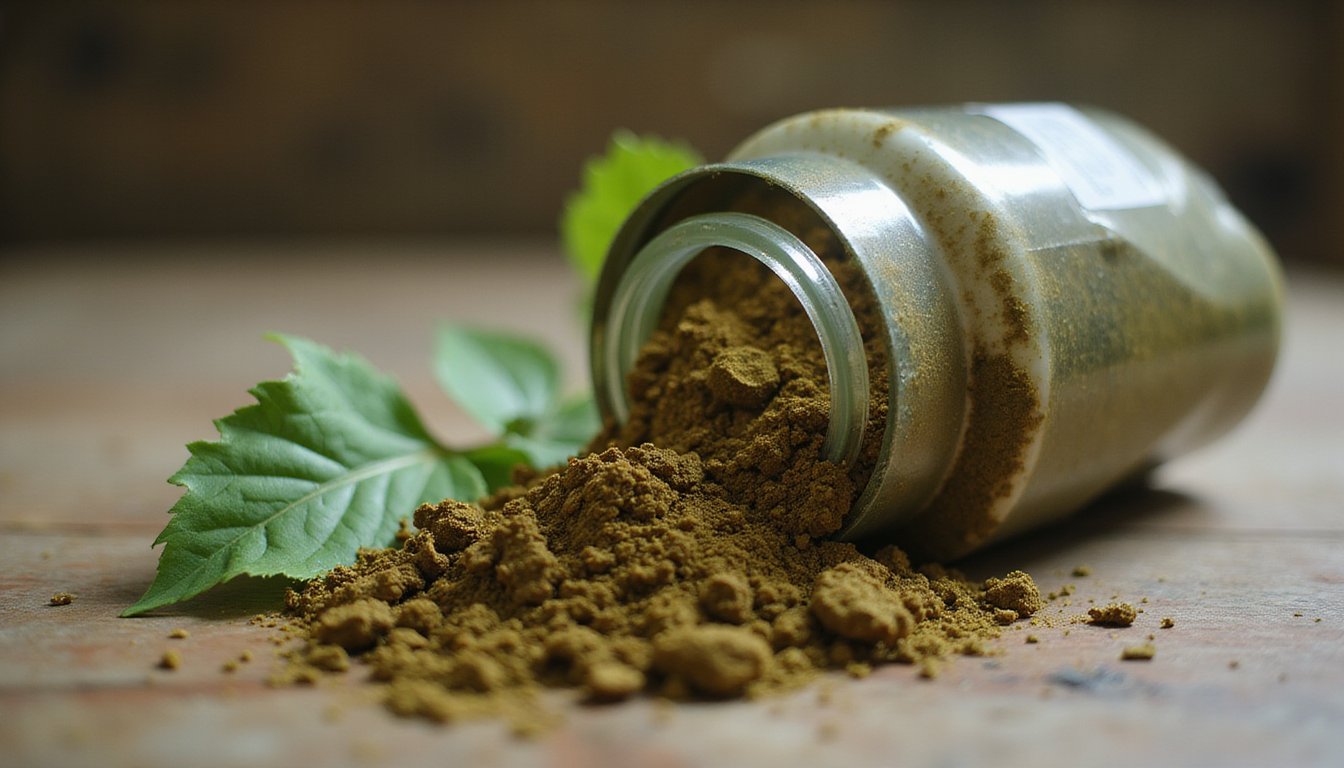
This is where kratom addiction’s unique challenges compound. You’re dealing with an unregulated product whose alkaloid content varies dramatically between batches and manufacturers. A concentrated 7-hydroxymitragynine extract creates a fundamentally different clinical picture from raw powder. Without kratom treatment individualized to your specific use pattern, product type, and neurochemical profile, standard programs risk undertreating withdrawal or missing post-acute mood disruption entirely. The FDA warns against kratom use due to documented risks of liver toxicity and seizures, yet most conventional treatment protocols haven’t incorporated these specific medical concerns into their clinical frameworks.
Kratom Withdrawal Symptoms That Mirror Opioid Dependence
You’ll experience muscle pain, rhinorrhea, gastrointestinal distress, tremors, and diaphoresis, the same constellation clinicians observe in opioid cessation. Insomnia compounds these physical symptoms, impairing cognition and destabilizing mood. Anxiety, depression, and irritability reflect direct neurochemical disruption in mood regulation pathways.
Here’s what makes treating kratom addiction challenges distinct: symptoms are considerably less intense but more protracted than prescription opioid withdrawal. This extended timeline demands a kratom addiction clinical approach calibrated for weeks of management, not days. Kratom post-acute withdrawal treatment must address persistent anhedonia and sleep disruption that drive relapse long after acute symptoms resolve. The challenge intensifies when patients have been using 7-OH products, which are 30-40 times more potent than regular kratom and can deepen the neurochemical disruption that prolongs recovery.
Anxiety, Depression, and Psychosis Hiding Behind Kratom Use

If you started using kratom to manage anxiety, depression, or trauma symptoms, you’re not alone, self-medication is one of the most common pathways into kratom dependence. The problem is that kratom doesn’t treat these conditions; it masks them, and when you stop using it, they resurface with greater intensity. Research has shown that kratom use can even trigger severe psychiatric complications, including paranoid delusions and psychosis, particularly in individuals with pre-existing mental health conditions. That’s why effective kratom addiction treatment must integrate mental health care from the start, addressing the underlying conditions that drove your use alongside the dependence itself.
Self-Medication Drives Use
Many people who develop kratom dependence didn’t set out to misuse a substance, they were trying to manage anxiety, depression, or other psychiatric symptoms that felt unbearable without relief. Self-medication with kratom offers short-lived mood improvement, but prolonged use decreases natural serotonin activity and creates anxiety and depression rebound effects that worsen the original condition.
As tolerance builds, you need escalating doses just to maintain baseline emotional stability, compounding dependence on top of untreated psychiatric illness. This cycle delays evidence-based mental health intervention and obscures accurate diagnosis.
Kratom treatment specialized for this population must address both the substance dependence and the underlying psychiatric conditions simultaneously. Without treating what drove your use, the risk of relapse remains unacceptably high. Best treatment options for kratom addiction should also incorporate counseling and support groups that focus on both recovery and mental health.
Integrated Mental Health Treatment
Because kratom masks psychiatric symptoms rather than treating them, accurate diagnosis becomes possible only once the substance is removed, and that removal itself destabilizes mood, anxiety regulation, and in some cases, reality testing. This is part of what makes kratom treatment different: you’re managing withdrawal-induced psychiatric symptoms while simultaneously uncovering pre-existing conditions that drove use.
Mitragynine and 7-hydroxymitragynine disrupt neurotransmitter regulation, meaning your brain can’t immediately restore baseline function after cessation. Anhedonia, panic attacks, and depressive episodes emerge as neurochemical imbalances correct themselves. In severe cases, psychosis-like symptoms complicate stabilization.
The Fortify Wellness kratom approach pairs kratom treatment psychoeducation with integrated psychiatric care, treating your co-occurring disorders and addiction simultaneously rather than sequentially, which directly reduces relapse risk.
How Kratom Hijacks the Same Receptors as Opioids
Although kratom is widely marketed as a natural alternative to pharmaceutical painkillers, its primary alkaloids, mitragynine and 7-hydroxymitragynine, bind directly to mu-opioid receptors, the same molecular structures targeted by morphine and oxycodone. This multi-receptor engagement produces classic opioid effects including sedation, analgesia, and dependence.
| Receptor Type | Clinical Effect |
|---|---|
| Mu-opioid | Pain relief, sedation, dependence |
| Delta-opioid | Mood modulation |
| Kappa-opioid | Dysphoria, altered perception |
| Noradrenergic | Stimulant-like effects at low doses |
| Serotonergic | Mood and perception changes |
Because kratom activates these receptors through biased agonism, you may experience both stimulant and sedative effects depending on your dose. However, this atypical mechanism doesn’t eliminate addiction risk, tolerance and physical dependence still develop with sustained use.
The 7-OH Problem: Why Concentrated Kratom Hits Harder

The receptor interactions described above apply to all kratom products, but not all kratom products carry the same risk. Traditional kratom leaf contains less than 0.02% 7-hydroxymitragynine, with natural mitragynine-to-7-OH ratios exceeding 50:1. Your body’s hepatic conversion of mitragynine to 7-OH produces limited circulating levels, a built-in safeguard.
Concentrated 7-OH extracts eliminate that safeguard entirely. These engineered products deliver 7-OH at 13 to 50 times morphine’s potency by weight, binding directly to mu-opioid receptors and triggering intense euphoria you won’t experience with plain powder. The clinical consequences are significant: respiratory depression, seizures, liver toxicity, and cardiac complications escalate exponentially with concentration. Physical dependence develops faster, withdrawal presents more acutely, and compulsive use patterns emerge more rapidly than with whole-leaf kratom.
Unpredictable Potency Makes Kratom Dosing a Moving Target
Even when you understand kratom’s pharmacology and the heightened risks of concentrated 7-OH products, a critical variable remains outside your control: you can’t reliably know what’s in what you’re taking. Kratom products lack standardized labeling, and sellers routinely add concentrated alkaloids beyond naturally occurring levels. The result is that identical-looking products can vary wildly in potency.
Your individual metabolism compounds this problem. The same dose produces inconsistent effects across different people, and even across different sessions for the same person. Research shows that over one-quarter of regular users escalate their doses over time as tolerance builds, chasing a moving pharmacological target with an unstandardized product. This combination makes accidental overdose and deepening dependence predictable outcomes of continued use.
Which Medications Actually Work for Kratom Dependence?
How effectively can medications manage kratom withdrawal? No FDA-approved treatments exist specifically for kratom dependence, but clinical evidence supports several off-label options your treatment team may consider. The success rates of medicationassisted treatment can vary significantly depending on the individual and the specific treatment plan. Research indicates that combining pharmacological approaches with behavioral therapy often leads to better outcomes.
| Medication | Clinical Application |
|---|---|
| Buprenorphine-naloxone | First-line for moderate-to-severe withdrawal; dosing correlates strongly (0.84) with your kratom consumption level |
| Clonidine | Non-opioid symptom relief via alpha-2 adrenergic mechanism; dosed at 0.1 mg every four hours |
Your provider won’t default to a single protocol. If you’re consuming under 20 grams daily, you’ll likely need 4/1–8/2 mg buprenorphine-naloxone. Above 40 grams, expect 12/3–16/4 mg. Adjunctive medications, antidepressants, hydroxyzine, anti-inflammatories, address overlapping symptom categories across a typical 12-week treatment duration.
Why Kratom Recovery Needs Medical and Behavioral Care
Kratom recovery demands more than addressing withdrawal alone, you need integrated care that manages physical dependence, treats co-occurring mental health conditions, and builds the behavioral skills that sustain long-term sobriety. Medical withdrawal management stabilizes you through acute detox, but without concurrent treatment for underlying anxiety, depression, or trauma, your relapse risk remains considerably heightened. Behavioral therapies like CBT and motivational interviewing then equip you with concrete strategies to manage cravings, regulate emotions, and respond to triggers without returning to kratom use.
Medical Withdrawal Management Matters
Because kratom’s primary alkaloids, mitragynine and 7-hydroxymitragynine, bind directly to mu-opioid receptors in the brain, withdrawal from kratom isn’t a matter of mild discomfort that willpower alone can resolve. You’re facing a neurochemical disruption that demands clinical oversight. Without supervised detox, you risk complications including seizures and severe autonomic instability.
Fortify Wellness adapts evidence-based opioid withdrawal protocols to your specific clinical presentation, accounting for:
- Product type and potency, concentrated 7-OH extracts require more intensive management than raw powder
- Duration and dose history, calibrating medication decisions to your actual exposure
- Buprenorphine or non-opioid alternatives, including clonidine and lofexidine when clinically appropriate
- Physical health assessment, evaluating liver function, nutritional status, and accumulated physiological damage before stabilization begins
Treating Co-Occurring Disorders
Most people who develop kratom dependence didn’t start with a single problem, they started with pain, anxiety, depression, trauma, or a prior opioid use disorder, and kratom became the solution that eventually created its own crisis. Treating the kratom use alone while ignoring what drove it virtually guarantees relapse. Building a comprehensive treatment plan is essential for lasting recovery. Support networks for kratom recovery can provide the necessary emotional and psychological resources that individuals often need.
Fortify Wellness integrates addiction treatment with evidence-based care for co-occurring conditions. That means medication management for depression or anxiety when clinically indicated, trauma-informed therapies including DBT for emotional regulation, coordination with medical providers for safe pain management alternatives, and specialized dual-disorder treatment for patients with opioid use histories. Buprenorphine-naloxone may be appropriate for both kratom and opioid dependence. You don’t recover by addressing one condition at a time, you recover when your treatment plan addresses the full clinical picture simultaneously.
Behavioral Skills Prevent Relapse
Even when withdrawal is medically managed and co-occurring conditions are being treated, recovery from kratom dependence remains fragile without the behavioral skills to sustain it. CBT helps you recognize the thought patterns, catastrophizing, negative self-labeling, that drive drug-seeking behavior and replace them with functional responses.
Core behavioral skills you’ll develop include:
- Trigger identification, mapping environmental, emotional, and physical cues that create vulnerability to relapse
- Mindfulness-based relapse prevention, interrupting cravings through grounding techniques rather than reacting automatically
- Stress and emotion regulation, building tolerance for discomfort that previously prompted kratom use
- Support network engagement, establishing accountability through peer communities, family communication, and professional relationships
These skills are particularly critical during the post-acute phase, when persistent anhedonia makes relapse risk highest.
How Fortify Treats Kratom Addiction Differently
While kratom acts on the same mu opioid receptors as drugs like heroin and fentanyl, its unique pharmacological profile, combining partial opioid agonism with stimulant-like effects, means that standard opioid addiction protocols don’t translate cleanly to kratom dependence.
At Fortify Wellness, your treatment begins with a detailed assessment of the specific kratom products you’ve been using, because alkaloid concentration varies dramatically across the unregulated market. This determines whether medications like buprenorphine-naloxone are appropriate for your withdrawal management. Your care team addresses the post-acute anhedonia that drives relapse through a structured IOP and OP continuum, maintaining clinical engagement well beyond acute detox. You’ll also receive psychoeducation that resolves the confusion many kratom patients carry about how dependence developed from a “natural” product.
Reach Out Today and Take Back Your Life
Recovering from Kratom addiction takes more than willpower alone, and the right professional support can change everything about your path forward. At Fortify Wellness in Los Angeles County, our experienced team provides trusted Intensive Outpatient Program care with compassion and a personalized approach. Call +1 (818) 918-9564 today and take the first step toward lasting recovery.
Frequently Asked Questions
How Long Does the Post-Acute Withdrawal Phase Typically Last After Stopping Kratom?
Post-acute withdrawal symptoms typically persist for several weeks to months after you’ve cleared the initial 5–7 day acute phase. During weeks two through four, you’ll likely notice physical symptoms fading while depression, brain fog, cravings, and sleep disturbances linger. Your specific timeline depends on how long you used kratom, your dosage, and whether you used concentrated products. This phase is when relapse risk peaks, professional support during this period greatly improves outcomes.
Can Someone Develop Kratom Dependence if They Only Use It Occasionally?
Yes, you can develop kratom dependence even with occasional use, though your individual risk varies considerably. Psychological dependence can emerge before physical symptoms appear, as your brain adapts to kratom’s mood-lifting and pain-relieving effects. Research shows dose frequency correlates more strongly with dependence than total amount consumed. If you’re using kratom to self-medicate for pain or anxiety, you’re at higher risk of progressing from occasional to regular use.
Do Most Kratom Users Realize They Need Opioid-Level Treatment Before Seeking Help?
Most don’t. You’ve likely been using a product marketed as natural and safe, so recognizing you need the same evidence-based treatment used for opioid use disorder can feel surprising. Many people try self-tapering or dose reduction without medical supervision before realizing they need professional help. At Fortify Wellness, we’ll help you understand why kratom activates opioid pathways and why medication-assisted treatment options like buprenorphine may be appropriate for your recovery.
Is Kratom Addiction Treatment Covered by Most Health Insurance Plans?
Most major PPO insurance plans cover substance use disorder treatment, including kratom addiction. Your exact benefits depend on your specific policy, carrier, and whether you’re using in-network or out-of-network providers. HMO plans typically restrict you to approved facilities. The most effective first step is having a treatment center run a confidential benefit verification, Fortify Wellness can do this for you to clarify your coverage and out-of-pocket costs.
Why Do People Addicted to Kratom Often Feel Shame About Needing Treatment?
You often feel shame because kratom’s “natural” marketing created a reasonable expectation of safety, so developing dependence feels like a personal failure rather than a pharmacological outcome. Friends and family may not understand why quitting a legal supplement is so difficult, which deepens isolation. At Fortify Wellness, early treatment includes psychoeducation that reframes your experience: dependence developed despite your intentions, not because of a character flaw.