




A racing heart after drinking becomes dangerous when you experience chest pain, severe shortness of breath, or an irregularly irregular pulse, a hallmark of atrial fibrillation. If your heart rate stays above 100 bpm for more than 24 hours, you’re likely dealing with electrical disruption that raises your stroke and heart failure risk. Don’t ignore near-fainting episodes or a thready pulse, as these demand immediate medical evaluation. Understanding your specific risk factors can help you stay ahead of a serious cardiac event.
Why Your Heart Races After Drinking Alcohol
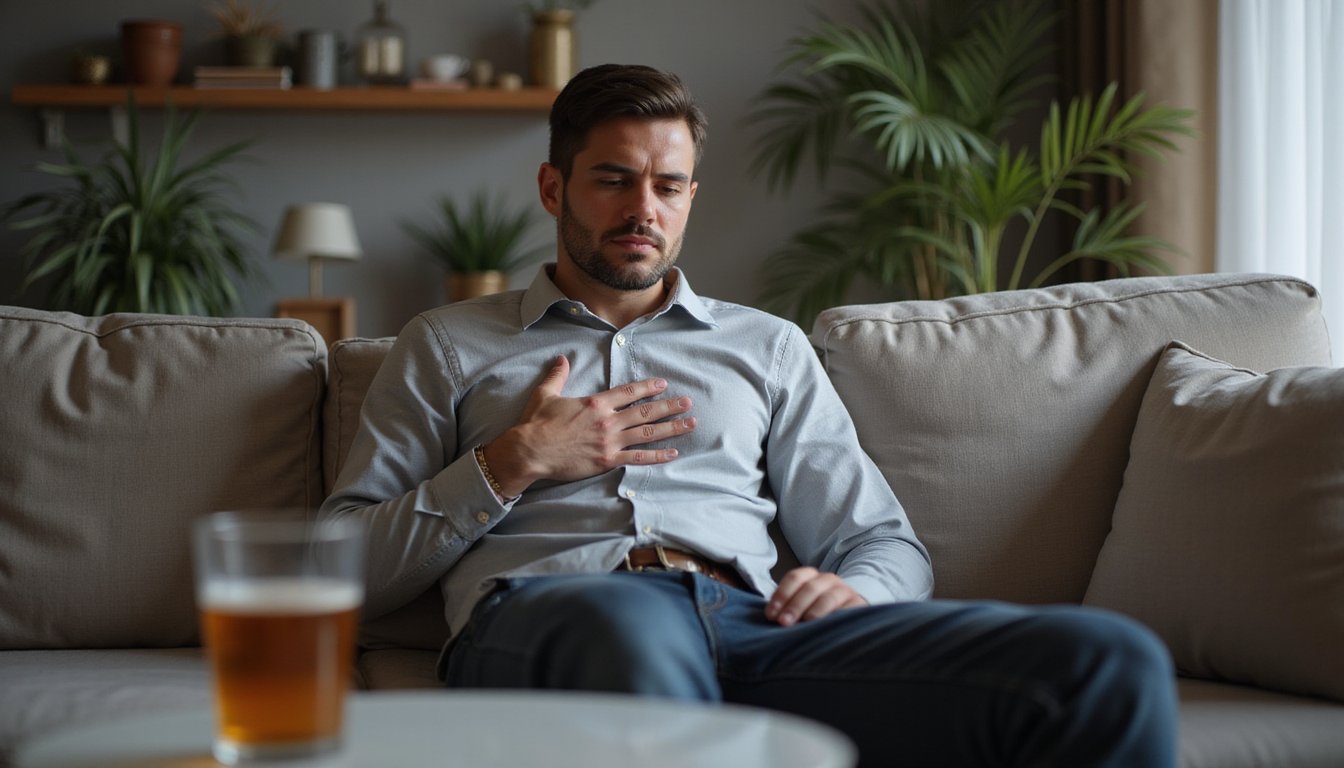
When you drink alcohol, your body undergoes several physiological changes that directly accelerate your heart rate. Alcohol dilates your blood vessels, forcing your heart to pump harder to maintain blood pressure. This vasodilation triggers sympathetic nervous system activation, contributing to tachycardia after alcohol consumption. Simultaneously, alcohol’s diuretic effect causes dehydration, further elevating your heart rate as your cardiovascular system compensates for reduced fluid volume. People who rarely drink heavily may experience what is known as holiday heart syndrome, a temporary episode of arrhythmia triggered by acute alcohol intake.
Research shows two glasses of alcohol increase heart rate by 11%, while alcohol increases calcium entry into cardiac myocytes, directly affecting rhythm. This mechanism links alcohol and atrial fibrillation risk, particularly during binge episodes. A rapid heart rate alcohol response also reflects suppressed parasympathetic modulation, reducing your heart’s ability to self-regulate effectively. Studies using 24-hour ECG monitoring have confirmed that alcohol intake serves as an independent predictor of heart rate, even after accounting for other contributing factors. Additionally, long-term heavy drinking can weaken the heart muscle itself, leading to alcoholic cardiomyopathy, which further compromises the heart’s pumping efficiency.
When a Racing Heart After Drinking Is an Emergency
Watch for chest pain, severe shortness of breath, or an irregularly irregular pulse, hallmarks of atrial fibrillation or rapid ventricular response. Thready pulses and impaired mental status signal hemodynamic instability and poor perfusion.
Your alcohol cardiovascular risk escalates when electrolyte imbalances like hypokalemia accompany sustained arrhythmias. Synchronized cardioversion may be necessary to restore sinus rhythm. Don’t dismiss persistent palpitations paired with near-syncope, these demand emergency evaluation, not observation.
What a Racing Heart After Drinking Actually Feels Like
You may notice a fluttering or skipping sensation in your chest as your heart loses its normal rhythm, with studies showing 35% to 62% of atrial fibrillation episodes are tied to recent alcohol consumption. Sudden breathlessness can hit without warning as your heart races above 100 beats per minute, struggling to pump blood efficiently when atrial quivering disrupts the normal sync with your ventricles. Dizziness paired with chest pressure signals your blood pressure may be dropping while your cardiovascular system compensates for alcohol-induced vasodilation, dehydration, and electrolyte imbalances simultaneously.
Fluttering And Skipping Beats
How exactly does a racing heart after drinking manifest? You’ll typically notice three distinct sensations: fluttering, skipping, or rapid pounding. Alcohol directly disrupts your heart’s electrical system, triggering atrial fibrillation (AFib) where your upper chambers beat irregularly. This creates that characteristic fluttering or skipping sensation in your chest, a pattern so common after binge drinking it’s clinically termed Holiday Heart Syndrome.
Your sympathetic nervous system kicks into overdrive, pushing your heart rate above 100 bpm. Simultaneously, alcohol-induced vasodilation forces your heart to pump harder, intensifying that pounding sensation. Dehydration compounds the problem by reducing blood volume.
AFib accounts for 35, 62% of alcohol-related ER visits. You may also experience lightheadedness, fatigue, or chest pressure alongside these irregular rhythms.
Sudden Breathlessness Hits
When breathlessness strikes after drinking, it hits fast, often within 1 to 30 minutes of consumption. You’ll notice a sudden tightening in your chest and an inability to draw full breaths. Wheezing, shallow breathing, and air hunger develop as alcohol triggers bronchoconstriction and airway inflammation.
Your racing heart compounds the problem. As alcohol dilates blood vessels and drops blood pressure, your lungs receive less oxygen, intensifying both palpitations and dyspnea simultaneously. Pre-existing asthma, ingredient allergies, or chronic alcohol use greatly elevate your risk. Having alcohol and heart palpitations at night can create an unsettling cycle of anxiety, further exacerbating emotional distress. It is essential to understand how lifestyle choices, particularly in the evening, may influence not just sleep but overall cardiovascular health. Monitoring your alcohol intake and recognizing your body’s response can lead to better management of these symptoms, improving your quality of life.
Watch for danger signs: breathlessness persisting despite rest, clammy skin, or irregular breathing with 10+ seconds between inhales. These indicate potential overdose or cardiovascular compromise. If chest tightness accompanies prolonged shortness of breath, you’re facing a medical emergency requiring immediate intervention.
Dizziness With Chest Pressure
Exactly why does your chest feel like it’s caving in while the room spins? When your heart races at rates approaching 240 beats per minute, hemodynamic instability follows, your blood pressure can drop to unmeasurable levels. This sharp cardiovascular compromise starves your brain of adequate perfusion, triggering dizziness.
Sympathetic activation during alcohol consumption drives your heart rate up while simultaneously disrupting autonomic balance. Electrolyte derangements compound the danger; hypokalemia at levels as low as 2.9 mmol/L destabilizes cardiac rhythm and intensifies instability. Dehydration from vomiting further depletes critical electrolytes, escalating arrhythmia risk. A high heart rate after night of drinking can be a sign of these escalating issues. The combination of stress on the cardiovascular system and dehydration creates a perfect storm for possible complications. Monitoring heart rates and recognizing the symptoms can be crucial for avoiding serious health risks after a night of excess.
If you’re experiencing chest pressure paired with dizziness after drinking, you’re not dealing with routine palpitations. These combined symptoms signal potential hemodynamic compromise requiring immediate medical evaluation, don’t wait for them to resolve on their own.
How Even One Drink Can Throw Off Your Heart Rhythm
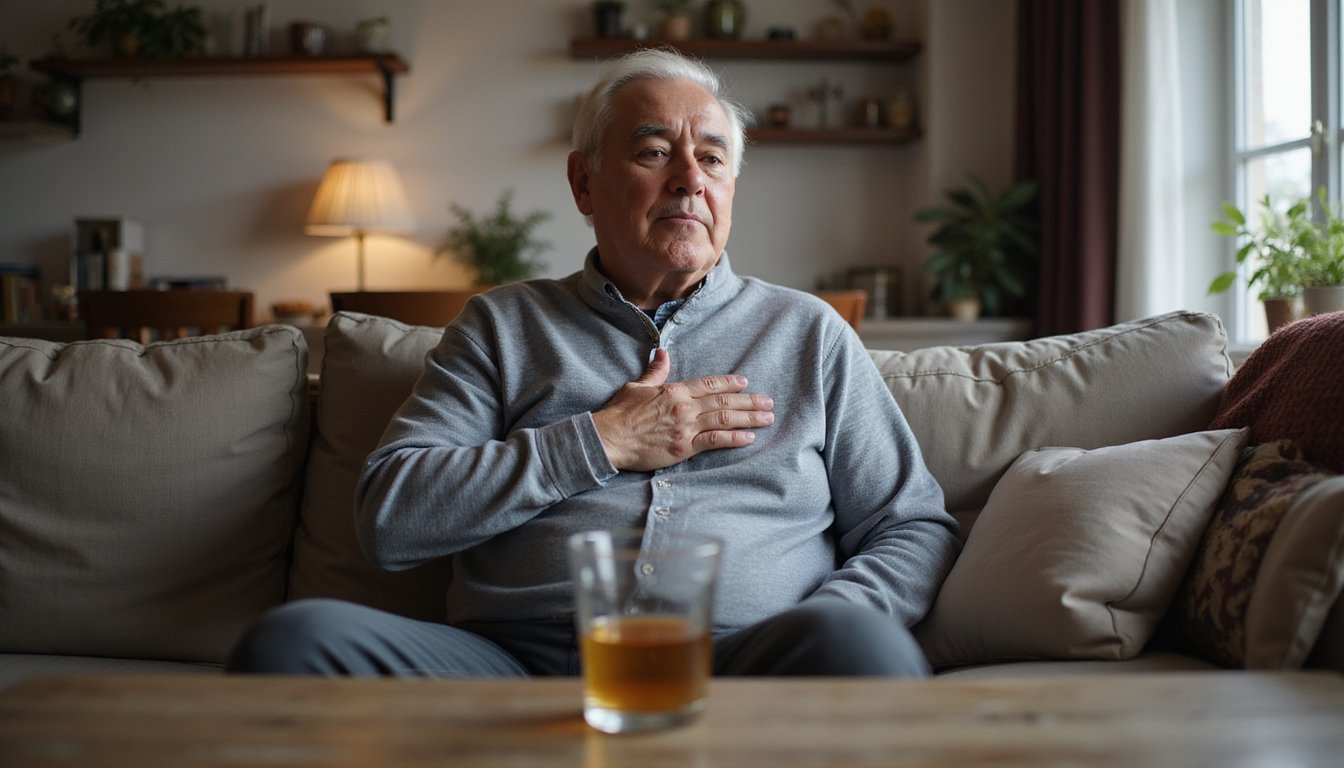
Even a single drink can disrupt your heart’s electrical system by shortening the atrial refractory period non-uniformly and slowing conduction velocity, both established precursors to atrial fibrillation. Your body’s electrolyte balance begins shifting immediately after consumption, compounding the electrical instability that makes your heart vulnerable to irregular rhythms. Research confirms that moderate habitual intake raises your atrial fibrillation risk by 8% per daily drink, meaning the threshold for cardiovascular danger is far lower than most people assume.
One Drink Doubles Risk
Although most people assume it takes heavy drinking to affect the heart, research from the University of California, San Francisco, presented at the American College of Cardiology’s 70th Annual Scientific Session, shows that a single alcoholic beverage doubles your odds of an atrial fibrillation (AFib) episode within the next four hours.
- Wearable heart monitors tracked participants’ rhythms continuously over four weeks
- Ankle-mounted alcohol sensors objectively detected consumption in real time
- Over half of participants (56%) experienced at least one AFib episode during monitoring
- Peak blood alcohol concentration directly predicted heightened AFib risk within hours
This isn’t about chronic damage accumulating over years. Your heart responds acutely. Every 0.1% increase in blood alcohol concentration over 12 hours links to a 40% higher AFib odds.
Electrolyte Disruption Begins Immediately
Because alcohol functions as a potent diuretic, your body begins losing fluids and critical electrolytes like potassium and magnesium within minutes of your first drink. This rapid depletion directly undermines the electrical signals governing your heartbeat. As dehydration reduces blood volume, your heart compensates by beating faster to maintain adequate circulation.
The disruption compounds quickly. Potassium and magnesium regulate cardiac rhythm at the cellular level, and even a single drink initiates their depletion. This imbalance doesn’t wait for heavy consumption, it starts immediately upon alcohol entering your bloodstream. Your heart’s electrical stability depends on precise electrolyte concentrations, and alcohol shifts that balance with remarkable speed. The resulting irregularities can range from noticeable palpitations to clinically significant arrhythmias, particularly if you’re already prone to cardiovascular sensitivity.
Electrical System Gets Irritated
Your heart runs on electricity, and alcohol directly sabotages that system. Even a single drink can inhibit cardiac sodium channels, slowing electrical conduction and disrupting the synchronized signals your heart cells depend on to beat normally. Alcohol also shortens the atrial refractory period, creating conditions where electrical signals loop abnormally through re-entry mechanisms, sustaining dangerous arrhythmias.
Here’s what’s happening inside your heart:
- Sodium channels get blocked, delaying electrical impulses and altering action potentials
- Refractory periods shorten, letting abnormal signals recirculate through atrial tissue
- Catecholamine surges increase electrical excitability and prolong P-wave intervals
- Stress proteins like JNK2 double in activity, causing calcium mishandling that triggers misfiring
These aren’t theoretical risks. In binge-drinking models, over 70% of subjects developed atrial fibrillation from these exact disruptions.
Who’s Most at Risk When Their Heart Races After Drinking?
Not everyone faces the same level of danger when their heart starts racing after alcohol. Your risk depends on specific biological and behavioral factors that enhance alcohol’s cardiac effects. understanding how to stop racing heart after alcohol can be crucial for those who are sensitive to its effects. Several techniques, such as deep breathing, hydration, and moderation, may help alleviate this discomfort. It’s important to listen to your body and seek medical advice if symptoms persist, as individual responses to alcohol can vary significantly.
| Risk Group | Key Risk Factor | Clinical Evidence |
|---|---|---|
| Heavy drinkers | ≥80g alcohol daily for 5+ years | Increased cardiomyopathy and sinus tachycardia (OR 1.03) |
| Women | Lower alcohol threshold | Develop ACM with less consumption than men |
| Young adults (25, 30) | Highest acute BAC levels | Sinus tachycardia in 25.9%; ventricular tachycardia storm possible |
| Preexisting conditions | Diabetes, hypertension, obesity | AFib risk raised; HF progression OR 5.0 with ≥5 drinks/week |
| Acute high BAC | Binge episodes | Arrhythmias in 30.5%; autonomic imbalance confirmed |
If you fall into multiple categories, your cardiovascular vulnerability compounds greatly.
When a Racing Heart After Drinking Won’t Go Away
Knowing your risk category matters, but the real danger escalates when a racing heart doesn’t return to normal after the alcohol wears off. Persistent palpitations beyond 24 hours suggest your heart’s electrical system has been disrupted, potentially indicating holiday heart syndrome or paroxysmal atrial fibrillation, a condition lasting hours to days.
- Your heart firing erratically at 3 a.m., driven by ectopic pulmonary vein activity that won’t quiet down
- A relentless pounding in your chest as dehydration drops blood volume and forces compensatory tachycardia
- Electrolytes thrown off balance, leaving your cardiac rhythm unstable for extended periods
- The hangover that feels different, sympathetic hyperactivity sustaining fight-or-flight 12 hours post-binge
Non-resolving arrhythmias elevate your stroke, heart failure, and dementia risks. If symptoms persist, you need immediate medical evaluation.
How to Prevent a Racing Heart Before You Drink
Before you reach for that first drink, proactive steps can markedly reduce your risk of alcohol-induced tachycardia and arrhythmia. Limit intake to one drink daily for women and two for men, each additional drink raises atrial fibrillation risk by 6, 8%.
Pre-hydrate with 8, 10 glasses of water and continue drinking water between alcoholic beverages, since alcohol’s diuretic effect accelerates heart rate through dehydration. Eat potassium-rich foods like bananas and leafy greens to fortify electrolyte balance critical for cardiac rhythm stability.
Eliminate stimulants, caffeine, tobacco, cold medications, and appetite suppressants, before drinking. These compounds compound cardiovascular stress. Practice stress-reduction techniques such as meditation or deep breathing, get adequate sleep, and avoid binge drinking, which directly triggers holiday heart syndrome.
Get Help Today
Alcohol can take a deeper hold than most people expect, and what feels manageable at first can slowly become hard to control. At Fortify Wellness, we offer an Alcohol Detox program to provide the support and structure you need to take steps toward a healthier life. Call (818) 918-9564 today and start your journey to recovery.
Frequently Asked Questions
Can a Racing Heart After Drinking Alcohol Cause a Stroke?
Yes, a racing heart after drinking can increase your stroke risk. Alcohol can trigger atrial fibrillation, an irregular heart rhythm that raises your risk of blood clots traveling to your brain. Heavy drinking more than doubles your heart attack and stroke risk within 24 hours. If your racing heart feels irregular, lasts prolonged periods, or accompanies dizziness or chest pain, you should seek immediate medical evaluation to rule out dangerous arrhythmias.
Does Mixing Caffeine With Alcohol Make Heart Racing Worse?
Both caffeine and alcohol independently raise your heart rate, but research doesn’t show they create a synergistic effect that exponentially worsens heart racing. However, alcohol poses the greater danger, it doubles your acute atrial fibrillation risk with just one drink. Caffeine may actually protect against arrhythmias through its anti-inflammatory properties. If you’re sensitive to either substance, you should monitor symptoms closely and seek medical attention for persistent palpitations, chest pain, or lightheadedness.
How Long After Quitting Alcohol Do Heart Rhythms Return to Normal?
Your heart rhythms begin improving within the first months of abstinence, with arrhythmias partially reversing within the first year. However, recovery follows a curve, it’s fastest early on, then slows considerably. Full cardiovascular normalization peaks after 5, 7 years of complete abstinence, though chronic damage may never entirely resolve. Lifestyle factors like exercise, diet, and stress management actively support your recovery. If you’re experiencing persistent irregularities, you should seek medical evaluation promptly.
Can Holiday Heart Syndrome Cause Permanent Damage to Your Heart?
Holiday heart syndrome doesn’t typically cause permanent damage, most episodes resolve within 24 hours without lasting cardiac injury. However, you shouldn’t ignore the risks. If you leave it untreated, you can develop serious complications including blood clots, stroke, heart attack, and cardiomyopathy. Repeated binge drinking episodes also increase your likelihood of progressing from occasional arrhythmias to chronic atrial fibrillation, which can fatigue your heart muscle and eventually lead to heart failure.
Should You Go to the ER for Heart Palpitations After Drinking?
You should go to the ER if your palpitations occur with chest pain, shortness of breath, fainting, or near-fainting episodes. A rapid, irregular heartbeat combined with weakness, low blood pressure, or impaired mental status also warrants immediate evaluation. Mild palpitations that resolve within 24 hours typically don’t require emergency care. However, if you’ve been binge drinking and experience persistent irregular rhythms, seek urgent assessment to rule out atrial fibrillation or ventricular complications.