





Why Does Alcohol Make Your Heart Race?
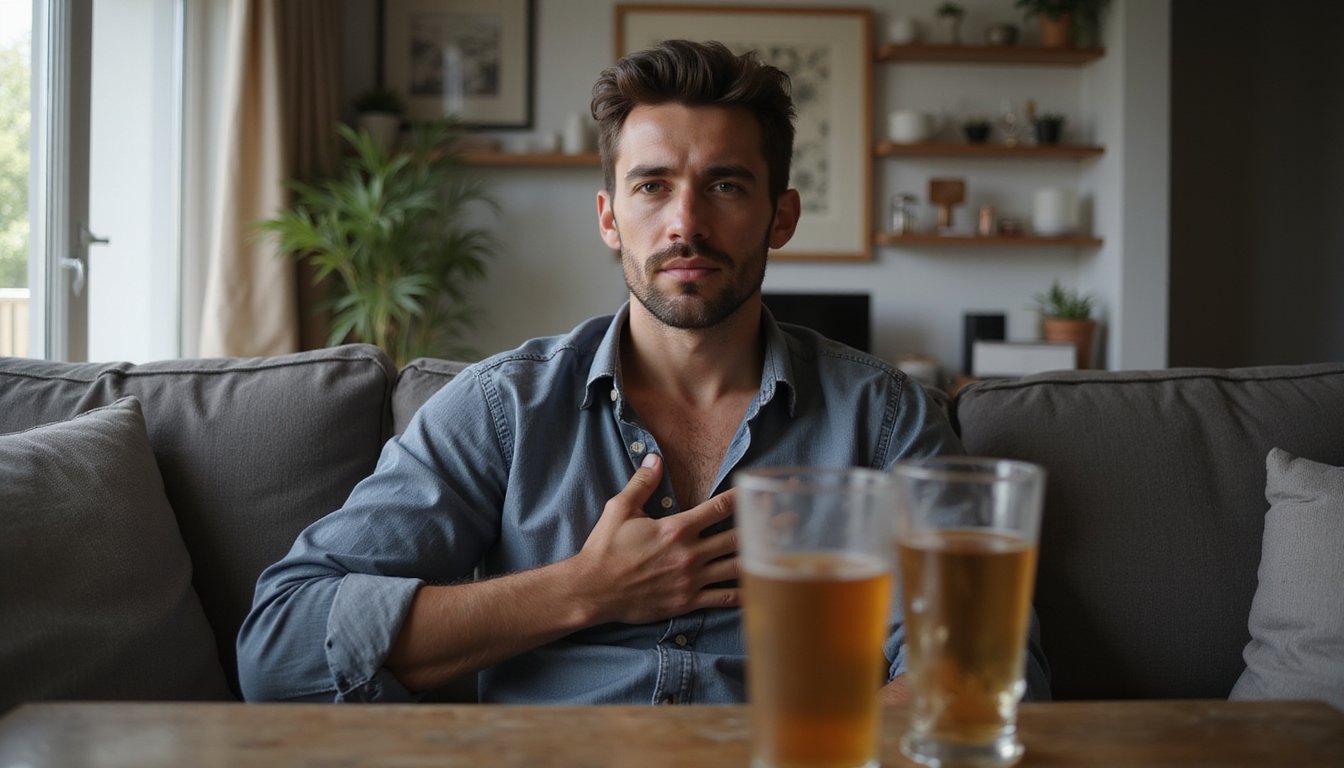
When alcohol enters your bloodstream, it triggers a cascade of cardiovascular responses that directly elevate heart rate. It dilates your blood vessels, forcing your heart to pump harder and faster to maintain adequate circulation. Simultaneously, alcohol diminishes parasympathetic nervous system activity while amplifying sympathetic activation, even two standard drinks can shift this balance, producing a racing heart from alcohol consumption.
Alcohol’s diuretic properties compound the problem. As dehydration reduces your blood volume, your heart compensates by beating faster to sustain perfusion. Research shows heart palpitations after drinking peak approximately four hours post-consumption, with maximum rates reaching 97±16 bpm. These mechanisms explain why alcohol palpitations occur reliably and why higher doses intensify the effect proportionally. Studies from the Framingham Heart Study further demonstrate that heavier drinkers develop enlarged left atria, which are linked to adverse cardiac events and increased risk of future atrial fibrillation. Individuals who rarely drink may be particularly susceptible to holiday heart syndrome, a condition in which acute alcohol intake triggers unexpected cardiac rhythm disturbances.
How Alcohol Disrupts Your Heart’s Electrical Rhythm
Chronic exposure compounds the problem. Alcohol causes direct toxicity to cardiac cells, producing fibrous tissue that disrupts normal conduction pathways. This structural remodeling makes your heart permanently susceptible to alcohol arrhythmia, even after interventions like catheter ablation. Meanwhile, acute intoxicating doses weaken myocardial contractility through a negative inotropic effect. Together, these mechanisms explain why alcohol heart palpitations aren’t merely sensory, they reflect measurable electrical dysfunction demanding clinical attention.
How Dehydration and Blood Sugar Trigger Palpitations
Alcohol’s direct electrophysiological damage isn’t the only pathway to alcohol heart palpitations, its potent diuretic effect sets off a cascade of fluid and metabolic disruptions that independently destabilize heart rhythm.
When you’re dehydrated, your blood volume drops, forcing your heart to pump faster to maintain cardiac output. Simultaneously, blood viscosity increases, compounding cardiovascular strain. If you’ve wondered why do I get heart palpitations after drinking alcohol, this fluid deficit rapidly depletes potassium, magnesium, and sodium, electrolytes critical for stable cardiac conduction. Even mild imbalances provoke arrhythmias, skipped beats, and tachycardia.
Dehydration also activates your sympathetic nervous system, flooding your body with adrenaline and accelerating heart rate. Combined with alcohol-induced blood sugar fluctuations, these mechanisms mirror the rhythm disturbances seen in holiday heart syndrome, intensifying palpitation severity beyond alcohol’s direct electrophysiological effects alone.
What Is Holiday Heart Syndrome?
In 1978, Dr. Philip Ettinger identified holiday heart syndrome after observing 24 hospitalized patients who developed atrial fibrillation following weekend binge drinking. This condition triggers acute arrhythmia in otherwise healthy individuals without underlying cardiac disease. You don’t need a pre-existing heart condition to experience it, episodes typically emerge 12 to 36 hours after excessive alcohol consumption.
Three critical factors define this syndrome:
- Binge drinking threshold: Consuming five or more alcoholic beverages in a single occasion serves as the primary trigger.
- Compounding risks: Overeating high-sodium foods, dehydration, sleep deprivation, and holiday stress amplify your cardiac vulnerability.
- Self-limited but dangerous: Most episodes resolve within 24 hours, yet AFib-related blood flow disruption increases your stroke and heart failure risk.
Do Spirits Cause More Palpitations Than Beer?
How considerably does your choice of drink affect your heart rhythm? Research from the Karolinska Institute shows that one to three glasses of wine or liquor daily increases your atrial fibrillation risk, while beer demonstrates no similar association. Each additional alcoholic drink raises that risk by 8%. Spirits contain higher concentrations of congeners, non-ethanol compounds that amplify cardiovascular rhythm disruptions beyond ethanol’s baseline effects.
Whiskey, vodka, and other spirits provoke more palpitations in susceptible individuals than beer does. If you have atrial fibrillation, a single drink doubles your odds of an episode within four hours. Beer’s lower congener profile produces milder rhythm effects, though excessive intake still triggers palpitations. Ultimately, binge drinking heightens risks regardless of beverage type, but spirits carry measurably greater potency for disrupting your heart’s electrical stability.
How Much Alcohol Does It Take to Cause Palpitations?

Surprisingly little alcohol can disrupt your heart’s rhythm. Research shows an 8% increased risk of irregular heartbeat per additional drink per day, based on data from 900,000 individuals over 12 years. Even 1, 2 glasses daily can trigger arrhythmias you don’t immediately recognize.
Even one extra drink a day raises your risk of irregular heartbeat by 8%, and you may never feel it.
Here’s what the evidence identifies as key thresholds:
- Moderate intake (1, 2 drinks/day): Offers no protective effect against arrhythmias and raises atrial fibrillation risk with a hazard ratio of 1.16.
- Binge drinking (4, 5+ drinks): Drives heart rates to 97±16 bpm within four hours and considerably increases atrial fibrillation episodes.
- Chronic consumption (>210 g/week): Raises atrial fibrillation risk by 47% over four years compared to non-drinkers.
If you have an existing rhythm disorder, limit intake to one drink daily with two alcohol-free days weekly.
Who’s Most at Risk for Palpitations After Drinking?
Not everyone faces the same level of risk when alcohol triggers heart palpitations. If you have a pre-existing heart condition such as atrial fibrillation, you’re considerably more vulnerable, research shows atrial fibrillation patients have 4.42 greater odds of alcohol-triggered palpitations compared to those with other rhythm disorders. Binge drinkers and young adults who drink heavily also face increased danger, with heavy drinking over four years raising atrial fibrillation risk by 47% in people under 40.
Pre-Existing Heart Conditions
While alcohol can trigger palpitations in otherwise healthy individuals, people with pre-existing heart conditions face considerably greater risks. Alcohol damages heart cells, promotes fibrous tissue formation, and disrupts electrical signaling, compounding existing vulnerabilities. The effects of alcohol on heart rate may also lead to increased blood pressure and a higher likelihood of developing arrhythmias. As these changes can be particularly pronounced in individuals with underlying cardiovascular issues, it is crucial for them to monitor their alcohol consumption carefully.
If you have an underlying cardiac condition, you should understand these critical risk factors:
- Atrial fibrillation: You’re 4.42 times more likely to experience alcohol-triggered palpitations compared to those with supraventricular tachycardia, according to a UCSF study of 223 arrhythmia patients.
- Hypertension: High blood pressure intensifies your AFib risk from alcohol consumption and heightens susceptibility to holiday heart syndrome.
- Structural heart issues: Conditions like mitral valve prolapse or heart valve disease make alcohol-induced arrhythmias considerably more probable.
Don’t dismiss recurring palpitations, consult your cardiologist about alcohol’s specific risks for your condition.
Binge Drinkers Face Danger
Because binge drinking concentrates alcohol’s cardiotoxic effects into a narrow window, it poses the most acute palpitation risk of any drinking pattern. If you consume four or more drinks (women) or five or more (men) in a short period, you’re triggering direct cardiac muscle toxicity, electrolyte depletion, and systemic inflammation simultaneously. Research shows your heart rate can rise 17% within 12 hours post-binge, with arrhythmias peaking around four hours after consumption.
The data is striking: consuming two or more drinks within four hours raises your atrial fibrillation risk 3.5 times. A 2024 German study found 5% of healthy participants (~age 30) developed irregular rhythms within 48 hours. These arrhythmias don’t resolve when alcohol clears, they can persist for several days, extending your danger well beyond intoxication.
Young Heavy Drinkers
If you’re under 40 and drink heavily, your heart is accumulating damage faster than you might expect. A cohort study of over 1.5 million young adults revealed that sustained heavy drinking over four years increased atrial fibrillation risk by 47% compared to nondrinkers. Even moderate-to-heavy consumption raised risk by 25%.
This research represents the first large-scale demonstration of alcohol’s arrhythmic effects specifically in younger populations. Consider what the data shows:
- Cumulative exposure matters, a dose-related alcohol burden directly elevates your AFib risk over time.
- Youth doesn’t protect you, AFib incidence tracked consistently with drinking patterns regardless of age within the 20, 39 range.
- Controlled variables confirm causation, risks persisted after adjusting for smoking, exercise, sex, and pre-existing heart conditions.
When to See a Doctor About Heart Palpitations
You should monitor your palpitations closely, as certain warning signs, such as episodes lasting longer than 30 seconds, increasing frequency, or palpitations that won’t resolve on their own, indicate you need medical evaluation. Seek emergency care immediately if you experience chest pain, fainting, severe shortness of breath, or palpitations that persist without stopping, since these symptoms may signal a life-threatening arrhythmia. If you have a pre-existing condition such as heart disease, hypertension, diabetes, or atrial fibrillation, contact your cardiologist promptly when new or worsening palpitations develop, as changes in pattern may reflect disease progression.
Persistent Palpitation Warning Signs
While occasional heart palpitations after drinking alcohol don’t always signal a serious problem, certain patterns and symptoms indicate you shouldn’t delay seeing a doctor.
You should seek prompt medical evaluation when palpitations present with these warning signs:
- Escalating frequency or duration, Episodes occurring multiple times daily, lasting beyond a few minutes, or persisting for 30 seconds or longer suggest an underlying rhythm disorder requiring diagnostic workup.
- Concurrent cardiovascular symptoms, Chest pain, shortness of breath, dizziness, or near-fainting alongside palpitations indicate potentially dangerous cardiac compromise.
- Elevated resting heart rate, A pulse exceeding 100 beats per minute at rest constitutes tachycardia, and rates surpassing 150 beats per minute demand urgent evaluation.
Don’t dismiss these signs, especially if you have pre-existing heart disease, hypertension, or diabetes.
Emergency Symptoms Requiring Attention
Beyond those warning signs, certain emergency symptoms demand immediate action, call 911 or go to the nearest emergency room without hesitation. Chest pain lasting more than a few minutes, especially with shortness of breath or pressure, signals a potentially life-threatening cardiac event. Difficulty breathing at rest alongside heart fluttering, indicates serious arrhythmia risk requiring urgent evaluation.
Dizziness, lightheadedness, or fainting episodes paired with palpitations suggest compromised blood flow that may increase stroke risk. If you’re experiencing severe weakness, profuse sweating, or anxiety alongside a racing heart after drinking, don’t dismiss these as typical hangover symptoms. Research shows 35, 62% of atrial fibrillation emergency cases link to recent alcohol use. If palpitations and pain prevent you from driving safely, call 911 immediately.
Pre-Existing Heart Condition Risks
If you have a pre-existing heart condition, alcohol poses considerably greater risks to your cardiac rhythm than it does for the general population. Research shows atrial fibrillation patients face 4.42 times greater odds of alcohol-triggered episodes, with each additional daily drink raising AFib risk by 6, 8%.
Conditions that greatly amplify your vulnerability include:
- Atrial fibrillation or prior arrhythmias, even a single drink yields a 2.02 odds ratio for AFib onset, and 35, 62% of emergency AFib cases involve recent alcohol use.
- Structural heart abnormalities, valve disorders like mitral valve prolapse heighten palpitation susceptibility as alcohol irritates the heart’s electrical system.
- Metabolic conditions, hypertension, diabetes, and obesity compound alcohol’s cardiotoxic effects through dehydration and electrolyte imbalances.
Consult your cardiologist about safe consumption thresholds.
Get Help Today
Alcohol can take a deeper hold than most people expect, and what feels manageable at first can slowly become hard to control. At Fortify Wellness, we offer an Alcohol Detox program to provide the support and structure you need to take steps toward a healthier life. Call (818) 918-9564 today and start your journey to recovery.
Frequently Asked Questions
Can Heart Palpitations From Alcohol Cause a Stroke or Heart Failure?
Yes, alcohol-induced palpitations can lead to stroke or heart failure. When alcohol triggers atrial fibrillation, your heart’s upper chambers quiver chaotically, allowing blood to pool and form clots that can travel to your brain, causing a stroke. Heavy drinking also damages your heart muscle over time, increasing your risk of heart failure. If you’re experiencing frequent palpitations, you should consult a healthcare professional for proper evaluation.
Do Heart Palpitations After Drinking Go Away on Their Own?
Yes, heart palpitations after drinking typically resolve on their own within 12 to 24 hours. As your body metabolizes the alcohol, your sympathetic nervous activity normalizes, electrolyte imbalances correct, and your heart’s electrical signaling stabilizes. You’ll recover faster if you rehydrate and haven’t been binge drinking. However, if your palpitations persist beyond 24 hours, recur frequently, or accompany chest pain, shortness of breath, or fainting, you should seek medical evaluation promptly.
Can Mixing Alcohol With Caffeine Make Heart Palpitations Worse?
Yes, mixing alcohol with caffeine can markedly worsen heart palpitations. When you combine both substances, they create a synergistic effect that increases your heart’s electrical firing rate beyond what either produces alone. Alcohol disrupts your heart’s rhythm while caffeine intensifies cardiovascular stress, compounding the stimulant effects and raising blood viscosity. If you have a pre-existing arrhythmia like atrial fibrillation, you’re at considerably higher risk from this combination.
Does Alcohol Withdrawal Cause Heart Palpitations in Non-Alcoholics?
Even if you don’t have alcohol use disorder, you can still experience heart palpitations after stopping drinking. Your nervous system rebounds when alcohol’s depressant effects wear off, triggering increased sympathetic activation and stress hormone release. This elevates your heart rate and may cause fluttering or pounding sensations. Electrolyte imbalances from alcohol’s diuretic effect further disrupt your heart’s electrical signaling. If you’re experiencing persistent palpitations, you should consult a healthcare professional for evaluation.
Are Alcohol-Related Heart Palpitations a Sign of Underlying Heart Disease?
Alcohol-related heart palpitations can signal underlying heart disease, but they don’t always. If you have atrial fibrillation, you’re almost 4.5 times more likely to experience palpitations when drinking. Alcohol can also worsen existing conditions like cardiomyopathy and hypertension. However, temporary palpitations from occasional drinking, such as holiday heart syndrome, typically resolve once you stop. You should seek medical evaluation if you’re experiencing frequent or persistent palpitations to rule out progressive cardiac conditions.