
Withdrawal & Detox
Cocaine Withdrawal Symptoms: The Crash, Timeline, and Recovery
Cocaine withdrawal symptoms explained: learn the crash, timeline, and phases so you know what to expect and how support aids recovery.

Cocaine withdrawal symptoms explained: learn the crash, timeline, and phases so you know what to expect and how support aids recovery.

Fentanyl withdrawal symptoms and timeline explained, so you know what to expect and can prepare for a safer recovery.

Heroin withdrawal symptoms follow a predictable timeline. Learn when they start, peak, and resolve so you can prepare for recovery.

Alcohol withdrawal timeline: know what symptoms to expect hour by hour and when to seek immediate medical help.

PAWS symptoms can linger for months after detox. Learn why they persist and how to manage recovery more effectively.

Opioid withdrawal timeline: know when symptoms start and peak for short- and long-acting opioids so you can plan care.
Fentanyl detection times: learn how long it stays in urine, blood, saliva, and hair, plus the factors that change these windows.
Cocaine detection times: learn how long it stays in urine, blood, saliva, and hair, plus what affects your results.

Naltrexone for alcohol blocks opioid receptors to reduce cravings and heavy-drinking days. Learn how it works, dosing options, and what to expect.

Suboxone vs. methadone: compare how each MAT medication works to choose the right opioid use disorder treatment for your tolerance and safety needs.
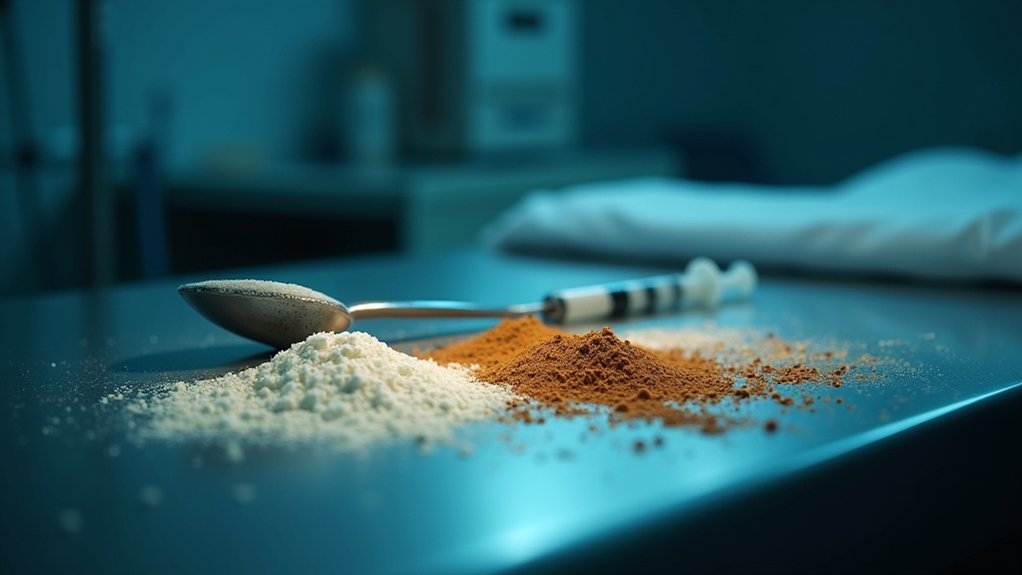
Speedball drug combines cocaine and heroin. Learn how this stimulant-depressant mix hides overdose signs and doubles your fatal risk.

Cocaethylene forms when you mix cocaine and alcohol. Learn how this toxic drug raises cardiac, stroke, and liver risks, and why it lasts longer.

Medication-assisted treatment combines FDA-approved medications with therapy to reduce opioid cravings and support lasting recovery.

Panic attack vs. anxiety attack: learn how their onset, intensity, and triggers differ so you can find the right treatment.

Trauma bonding explained: learn how cycles of abuse and affection trap you in harmful relationships and how to start breaking free.