





When you mix Dramamine and alcohol, you’re combining two CNS depressants that amplify each other’s sedative effects through distinct but converging neurochemical pathways. Dramamine blocks histamine H1 receptors while alcohol enhances GABA activity, and together they compound sedation, impair coordination, and slow your breathing. There’s no universally safe dosage threshold for this combination, even one drink can dangerously intensify CNS depression. Understanding the specific overdose signs and long-term organ damage risks can help you stay safe. alcohol interactions with dramamine usage can lead to unpredictable side effects that may vary from person to person. It is crucial to be aware of how such interactions might exacerbate drowsiness and affect mental clarity, particularly in situations requiring full attention, like driving. Always consult a healthcare professional before combining these substances to ensure your safety and well-being.
What Happens When You Mix Dramamine and Alcohol?

When you take Dramamine and drink alcohol, both substances suppress your central nervous system simultaneously, and the resulting sedation isn’t simply additive, it’s compounded. Alcohol and Dramamine amplify each other’s depressant effects, producing enhanced intoxication, impaired coordination, slurred speech, and dangerously slowed reaction times. Even one drink can trigger unpredictable sedation levels. Because both substances impair balance and judgment, the combination significantly increases the risk of falls, poor decision-making, or blackouts even at moderate doses.
At higher doses, this combination increases overdose risk, manifesting as seizures, hallucinations, irregular heartbeat, and respiratory depression. You may also experience emotional swings, paranoia, or disorientation, particularly during substance experimentation with dimenhydrinate. General health warnings on Dramamine labels explicitly advise against concurrent alcohol use. If you’ve mixed dramamine and alcohol and notice severe drowsiness, confusion, or breathing difficulty, seek emergency medical attention immediately. Misuse of Dramamine at higher doses to chase a euphoric state can lead to dependence and withdrawal symptoms, making professional intervention critical for long-term recovery.
Why Dramamine and Alcohol Affect Your Brain the Same Way
Both function as a central nervous system depressant, but through distinct neurotransmitter system inhibition pathways. Dramamine, like most antihistamines, blocks histamine H1 receptors, while alcohol enhances GABA activity and suppresses glutamate signaling. The dramamine alcohol interaction compounds sedation and cognitive impairment, impaired judgment, and vestibular and motor control disruption, including coordination loss, dizziness, and slurred speech.
Individual variability in metabolic response means your threshold for dangerous effects, including alcohol poisoning, differs from someone else’s. Your biology determines whether this combination causes mild drowsiness or severe sedation.
How Much Dramamine and Alcohol Is Too Much?
Even when you follow recommended Dramamine dosing, up to 8 tablets of the original formula in 24 hours, adding even one alcoholic drink can push your central nervous system depression past safe thresholds, because the interaction amplifies sedation beyond what either substance produces alone. Your individual tolerance depends on factors like body weight, liver metabolism, hydration status, and whether you’re taking other CNS depressants, which means there’s no universally “safe” amount of alcohol to combine with any Dramamine dose. If you experience dilated pupils, severe drowsiness, slurred speech, loss of coordination, or difficulty breathing, these are overdose warning signs that require immediate medical attention.
Safe Dosage Threshold Limits
Understanding how much Dramamine your body can safely handle starts with the established dosing limits: adults can take 1, 2 tablets (50, 100 mg of dimenhydrinate) every 4, 6 hours, with an absolute maximum dose of 400 mg (8 tablets) in 24 hours.
When you factor in alcohol interaction thresholds, no safe combined level exists. The Dramamine and alcohol effects compound unpredictably, and product labels warn against any concurrent use. Key overdose risk indicators and misuse dosage warnings include:
- The original formula adult dosage limits cap at 400 mg daily; exceeding this with alcohol sharply increases toxicity
- Non-drowsy version requires strict label adherence, alcohol still amplifies sedation
- Children’s versions carry age-specific maximums that demand careful review
- Even one alcoholic drink post-dose can trigger dangerous CNS depression
Individual Tolerance Factors
While dosage caps set a hard ceiling for safe Dramamine use, your body’s individual biology determines how much risk you actually face at any given dose, especially when alcohol enters the equation. Your metabolic rate, liver function, age, and existing health conditions directly influence how efficiently you process dimenhydrinate and alcohol. Slower metabolism prolongs sedation effects and increases toxicity exposure.
Chronic use of either substance builds individual tolerance that masks danger without reducing organ damage. If you’re taking other central nervous system depressants, opioids, benzodiazepines, or sedating antihistamines, drug interactions compound the respiratory depression risk exponentially. Prior sensitivity to antihistamines signals heightened vulnerability. Cardiovascular and respiratory conditions further narrow your safety margin. Alcohol use alongside impaired liver function creates unpredictable pharmacokinetic outcomes, making standardized “safe” thresholds unreliable for your specific physiology.
Overdose Warning Signs
Because no universal threshold defines “too much” when Dramamine and alcohol interact, recognizing overdose warning signs becomes your most reliable safety mechanism. Both substances depress CNS pathways simultaneously, meaning toxicity can escalate before you notice.
Monitor for these pharmacokinetically significant indicators:
- Neurological deterioration, confusion, slurred speech, delirium, or hallucinations signal excessive anticholinergic and GABAergic activity overwhelming your brain’s signaling capacity.
- Respiratory compromise, breathing difficulty, irregular breathing patterns, or fewer than eight breaths per minute indicate dangerous brainstem suppression.
- Cardiovascular instability, irregular heartbeat, rapid pulse changes, or dropping blood pressure reflect compounded CNS depression affecting autonomic regulation.
- Progressive sedation, loss of coordination, blurred vision, or inability to remain conscious can rapidly progress to coma, requiring immediate emergency intervention.
Dramamine and Alcohol Overdose Signs to Watch For
When Dramamine and alcohol overwhelm the body’s ability to metabolize both substances, the resulting toxicity produces a recognizable pattern of overdose signs that escalate in severity. You’ll notice early neurological disruption, mental confusion, slurred speech, and severe drowsiness, before cardiovascular and respiratory systems destabilize.
| Neurological | Cardiorespiratory | Motor/Physical |
|---|---|---|
| Mental confusion or stupor | Slow breathing (<8 breaths/min) | Loss of coordination |
| Hallucinations or seizures | Irregular heartbeat | Blurry vision |
| Inability to remain conscious | Low blood pressure | Difficulty swallowing |
| Severe drowsiness or coma | Pounding heart rate | Tremor or unsteadiness |
| Agitation or delirium | Irregular breathing gaps | Dilated pupils |
When you’re mixing Dramamine and alcohol, watch for concurrent nausea and incontinence, these indicate systemic toxicity requiring immediate emergency intervention.
Long-Term Risks of Combining Dramamine and Alcohol
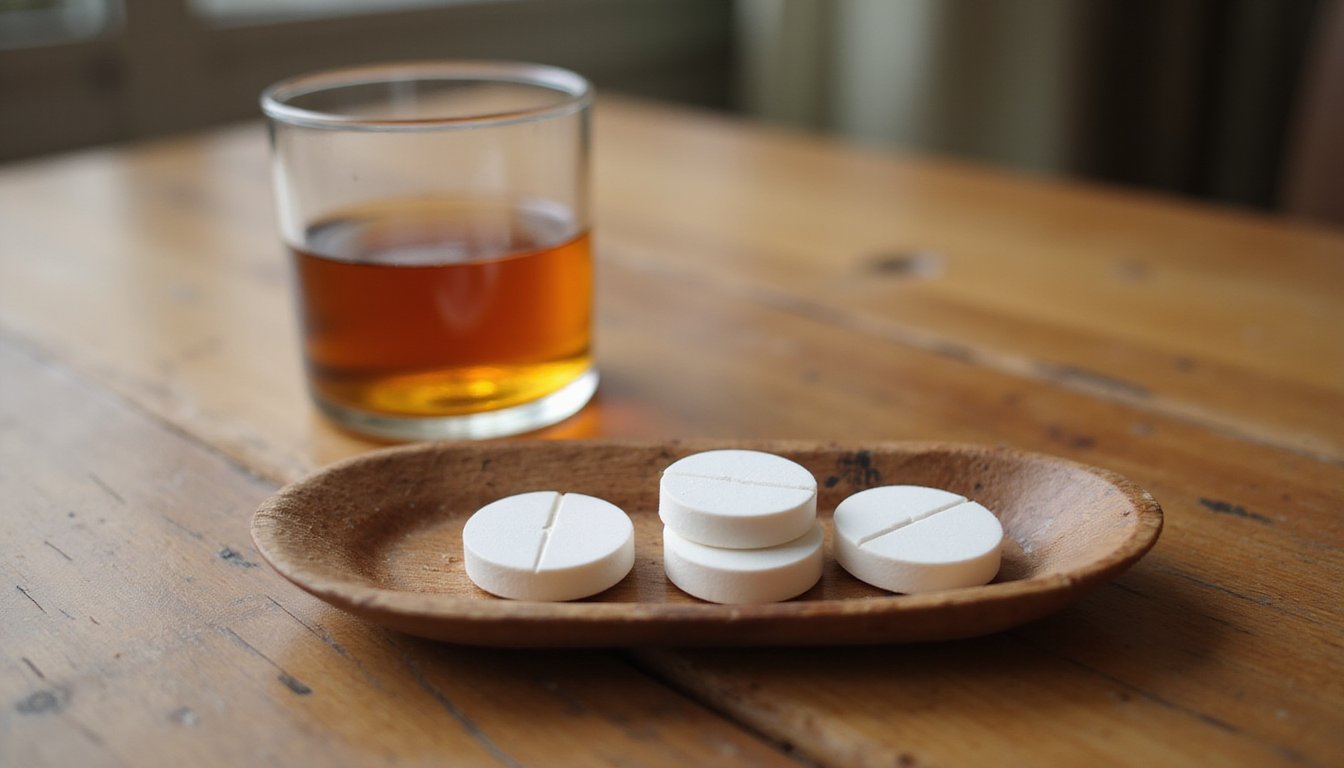
When you repeatedly combine Dramamine and alcohol, your body’s metabolic pathways face compounded stress that accelerates chronic dependency development, your CNS adapts to sustained depression, requiring higher doses of both substances to achieve the same effect. This escalating tolerance cycle simultaneously drives lasting organ damage, as your liver and kidneys must process two hepatotoxic substances concurrently, straining enzymatic detoxification beyond sustainable thresholds. Over time, these dual mechanisms, neurochemical dependence and progressive organ deterioration, create a self-reinforcing pattern that becomes increasingly difficult to reverse without intervention.
Chronic Dependency Development
Although occasional Dramamine use at recommended doses carries minimal long-term risk, consistent intake exceeding 100 mg of dimenhydrinate triggers a well-documented tolerance cascade, your brain’s histamine and acetylcholine receptors downregulate in response to repeated blockade, requiring progressively higher doses to achieve the same antiemetic or sedative effect. Mixing dramamine and alcohol accelerates this tolerance buildup through compounded CNS depressant activity, establishing a polysubstance pattern that drives dependence formation faster than solo use.
This progression follows predictable stages:
- Tolerance escalates dosing, shifting use from therapeutic to psychoactive thresholds with measurable addiction potential.
- Emotional coping replaces medical necessity as your primary motivation.
- Withdrawal symptoms, including neurological impairment and rebound nausea, emerge upon cessation.
- Behavioral patterns consolidate into risky behavior cycles, increasing the likelihood.
Lasting Organ Damage
Beyond the neurochemical dependency cycle, chronic dramamine and alcohol misuse inflict measurable structural damage on the organs responsible for metabolizing both substances. Your liver bears the primary burden, continuous dimenhydrinate and alcohol processing overwhelms hepatic enzymes, producing toxic effects that accelerate cellular degradation and liver damage over time.
Your kidneys face parallel strain. Chronic misuse forces sustained filtration of accumulated metabolites, while alcohol-driven dehydration concentrates toxins and compounds kidney damage. This dual assault promotes progressive organ dysfunction that may advance to chronic kidney disease or outright failure.
These long-term risks aren’t theoretical, they’re dose-dependent consequences of repeated substance use. Each exposure compounds impaired function in both organ systems, narrowing your body’s metabolic capacity and increasing vulnerability to irreversible hepatic and renal injury.
Safe Alternatives to Dramamine When You’re Drinking
How do you manage motion sickness when alcohol‘s already in your system, and antihistamines aren’t a safe option? Since combining Dramamine with alcohol compounds drowsiness and CNS depression, you’ll need alternatives that don’t amplify sedation. These evidence-backed methods target nausea through independent pathways:
- Ginger-based remedies, 250 mg ginger capsules three times daily block serotonin receptors in the gut, reducing nausea without CNS effects.
- Hydration, Sip cold water or natural sparkling water to counteract alcohol-induced dehydration, driving motion sickness symptoms.
- Peppermint inhalation, Diffuse pure peppermint essential oil for up to one hour; studies confirm it reduces nausea via olfactory-brainstem signaling.
- Acupressure and non-oral strategies, Wrist acupressure bands stimulate the P6 point, modulating vagal nerve activity without pharmacological interaction.
These supplements and techniques maintain safety alongside alcohol consumption.
Get Help Today
Misusing over-the-counter medications like Dramamine is more common than most people realize, and what starts as casual use can quickly become a serious concern. At Fortify Wellness, we offer an Alcohol Detox program to provide the support and structure you need to take steps toward a healthier life. Call (818) 918-9564 today and start your journey to recovery.
Frequently Asked Questions
Can You Take Dramamine the Morning After a Night of Drinking?
You should wait at least 24 hours after drinking before taking Dramamine. Alcohol’s metabolites linger in your system for 12, 24 hours, and Dramamine’s CNS-depressant effects will amplify any residual sedation, dizziness, and impaired coordination you’re already experiencing. Even a few drinks the night before can intensify drowsiness and slow your reaction time the next morning. You’ll want to hydrate, assess your symptoms, and consult a healthcare provider for personalized guidance.
Does the Non-Drowsy Dramamine Formula Interact Differently With Alcohol?
Non-drowsy Dramamine uses meclizine instead of dimenhydrinate, which produces less baseline sedation, but that doesn’t make it safer with alcohol. You’re still combining two CNS depressants, and alcohol quickly negates meclizine’s reduced-drowsiness advantage. The additive depression amplifies dizziness, impaired coordination, and unpredictable intoxication. You’ll also face heightened risks of respiratory depression, irregular heartbeat, and liver strain. There’s no safe threshold, you should avoid alcohol entirely with any Dramamine formula.
How Long After Taking Dramamine Is It Safe to Drink Alcohol?
You should wait at least 24 hours after taking Dramamine before drinking alcohol, though no universally safe interval exists. Dimenhydrinate’s half-life spans 3, 6 hours, meaning its sedative effects can linger well beyond peak activity. Even one drink during this window can trigger compounded CNS depression. Your metabolism, dosage, age, and liver function all shift clearance timing unpredictably. Healthcare professionals recommend avoiding alcohol entirely while Dramamine remains active in your system.
Can Mixing Dramamine and Alcohol Cause a False Positive on Drug Tests?
You likely won’t trigger a false positive from the combination itself, but Dramamine’s active component, dimenhydrinate, which contains diphenhydramine, can cross-react with tricyclic antidepressant (TCA) immunoassays due to structural similarity. Alcohol slows diphenhydramine’s hepatic metabolism through cytochrome P450 competition, prolonging its retention and potentially extending that false-positive window up to 60 hours. A confirmatory test like gas chromatography-mass spectrometry, will distinguish diphenhydramine from actual TCAs and resolve the result.
Is It Safe to Take Dramamine With Non-Alcoholic Beer or Kombucha?
You shouldn’t assume non-alcoholic beer or kombucha is safe with Dramamine. Non-alcoholic beer contains up to 0.5% ABV, and kombucha can reach 0.5, 3% ABV depending on brewing methods. Even trace ethanol acts as a CNS depressant, amplifying Dramamine’s sedating effects, increasing drowsiness, dizziness, and impaired coordination. Because both substances depress the same neural pathways, a zero-tolerance approach is safest. Consult your healthcare provider before combining any fermented beverages with Dramamine.