







ADHD and addiction overlap more often than average. If you have ADHD, you’re more likely to develop a substance use problem, because impulsivity, a preference for immediate rewards, and differences in reward processing can make drugs or alcohol more appealing. Some people use substances to quiet restlessness or ease negative moods. Still, most people with ADHD don’t develop addiction, and prescribed stimulants rarely cause it. Below, you’ll see how these conditions interact and why treating both together supports lasting recovery.
Key Takeaways
- ADHD and addiction share vulnerabilities like impulsivity and reward-processing differences, so roughly 21%, 23% of people with substance use disorder also have ADHD.
- Impulsivity, preference for immediate rewards, and executive-function challenges make early experimentation and later substance use disorder more likely for people with ADHD.
- Many people with ADHD use drugs or alcohol to self-medicate, seeking brief relief from restlessness, racing thoughts, or negative moods.
- Prescribed stimulant medication rarely causes addiction in adults without prior substance use disorder, and treating ADHD may lower later risk.
- Integrated dual-diagnosis care treats ADHD and addiction together, reducing relapse risk and separating true ADHD symptoms from substance effects.
Why do ADHD and addiction often overlap

ADHD and addiction often overlap because they share vulnerabilities such as impulsivity, a preference for immediate rewards, and differences in reward processing. Most people with ADHD don’t develop an addiction, but the two conditions co-occur more often than chance would predict. An estimated 21% to 23% of people with substance use disorder (SUD) also have ADHD, with rates near 25% among adolescents and 21% among adults.
If you have ADHD, several of these shared vulnerabilities may raise your risk. Impulsivity and difficulty inhibiting responses can make early substance use more likely. A preference for immediate rewards may lead you to discount delayed consequences. Differences in reward processing and reinforcement learning also play a role. Executive-function challenges can affect how you plan and weigh decisions, and emotional dysregulation and restlessness may add risk.
These factors increase likelihood, not certainty. Understanding them helps you and your clinician target prevention.
How ADHD raises the risk of substance use
ADHD raises the risk of substance use through shared vulnerabilities such as impulsivity, reward processing differences, and executive-function and emotional challenges. It’s linked with earlier substance use and a heightened likelihood of later substance use disorder (SUD). If you have ADHD, these factors may raise your risk:
- Impulsivity: You may find it harder to pause and inhibit a response, which can make early experimentation more likely.
- Reward processing: You may prefer immediate rewards over delayed ones, making substance-related choices more tempting.
- Executive-function and emotional challenges: Difficulty planning, weighing consequences, or managing negative feelings and restlessness can add risk.
Childhood ADHD is tied to later nicotine, alcohol, cannabis, cocaine, and other SUDs. Still, heightened risk isn’t destiny. Most people with ADHD don’t develop addiction, and understanding these factors can help you recognize when it’s time to seek support.
Why people with ADHD self-medicate with drugs or alcohol
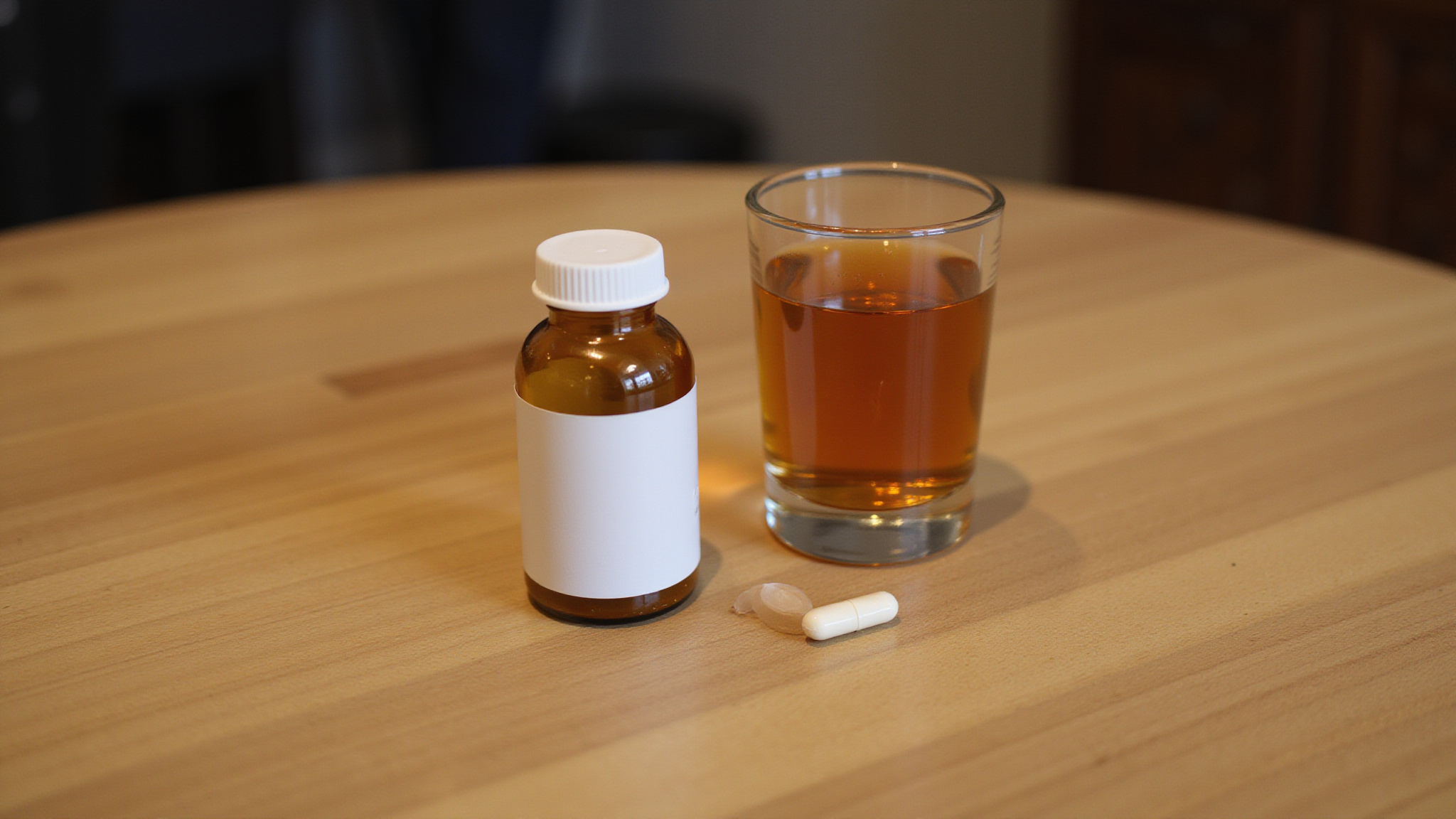
People with ADHD often self-medicate with drugs or alcohol because substances can seem to quiet restlessness, ease negative moods, or bring brief calm when racing thoughts or difficult emotions feel hard to manage. Emotional dysregulation and negative affect can add to this pull. Differences in reward processing may also make immediate relief feel more compelling, and difficulty delaying gratification can make long-term consequences harder to weigh.
This relief doesn’t last, and it can deepen the cycle. Intoxication and withdrawal can mimic or worsen ADHD symptoms, which makes accurate assessment harder. Coordinated evaluation helps separate longstanding ADHD symptoms from substance effects. That way, your care can address both conditions with treatments designed for them, not substances that only offer temporary relief.
How stimulant medication fits into the picture
Prescribed stimulants treat ADHD symptoms and, for most people, don’t lead to addiction. An international consensus review found that stimulant treatment doesn’t appear to cause substance use disorder in adults without a prior SUD. Treating ADHD may even lower later SUD risk, though that isn’t guaranteed prevention.
If you have both ADHD and SUD, medication can still ease your ADHD symptoms, but its effects on substance use are less consistent. Your clinician will likely weigh:
- Formulation: Long-acting stimulants are generally preferred when misuse or diversion is a concern.
- Alternatives: Non-stimulant options may fit your situation better.
- Monitoring: Watch for escalating doses or early refill requests.
Store your medication safely, never share it, and dispose of it properly.
How ADHD and addiction interact in treatment

ADHD and addiction interact in treatment because each condition can change how clinicians recognize and treat the other, so medication is only one part of care. Intoxication and withdrawal can mimic ADHD, so your clinician should confirm symptoms existed before substance use began.
| Treatment factor | What it means for you |
|---|---|
| Assessment | Longstanding symptoms are separated from substance effects |
| Integrated care | ADHD and SUD are treated together |
| Timing | Substance use may be stabilized before or alongside ADHD treatment |
| Monitoring | Dose escalation, early refills, and diversion are tracked |
| Support | Psychotherapy and addiction specialists can strengthen recovery |
Because co-occurring conditions add complexity, your plan should be individualized rather than built around one diagnosis. Expect regular, structured check-ins, and store the stimulants you’re prescribed safely, never share them, and dispose of unused doses properly.
Why integrated dual-diagnosis care matters
Integrated dual-diagnosis care matters because ADHD affects roughly 1 in 5 people with substance use disorder (SUD), and treating only one condition can leave the other driving relapse or persistent symptoms. Consensus guidance recommends you address both together, using medication and psychotherapy as appropriate.
Integrated care helps you:
- Get an accurate diagnosis. Clinicians can separate longstanding ADHD symptoms from effects of intoxication or withdrawal.
- Use medication safely. Your team can weigh long-acting stimulants or non-stimulants and monitor for early refills, escalating doses, or diversion.
- Coordinate your recovery. Addiction specialists and ADHD providers can decide whether to stabilize substance use first or treat both conditions at once.
You don’t have to choose which condition matters more. When one team treats both, you’re less likely to have gaps that undermine progress.
How Fortify Wellness treats co-occurring ADHD and addiction
Fortify Wellness treats co-occurring ADHD and addiction as connected conditions, addressing both from the start rather than one at a time. Your evaluation separates longstanding ADHD symptoms from effects of intoxication, withdrawal, or other mental-health conditions. Then you’ll work with a team that may include addiction specialists to build a plan combining psychotherapy and, when appropriate, medication.
If medication fits your needs, we weigh misuse risk individually, often favor long-acting stimulants or non-stimulant options, and monitor for escalating doses or early refill requests. We’ll help stabilize substance use before or alongside ADHD treatment, depending on your circumstances. You’ll learn practical safeguards, including safe storage, non-sharing, and proper disposal of prescribed stimulants. Throughout, we support your recovery without judgment.
Conclusion
ADHD and addiction share the same wiring in places, impulsivity, a pull toward immediate rewards, and differences in how the brain processes reward, which is why they so often travel together. But higher risk is not destiny. Most people with ADHD never develop an addiction, treating ADHD may even lower the risk, and prescribed stimulants rarely cause it. When both conditions are assessed and treated together, you get an accurate diagnosis, safer medication use, and a recovery plan that doesn’t leave one problem driving the other.
Dual Diagnosis Treatment for ADHD and Addiction
ADHD and addiction frequently overlap, and integrated treatment addresses both conditions at once. Fortify Wellness in Granada Hills, CA offers dual diagnosis care through an Intensive Outpatient Program, with CBT, psychiatric care, and group therapy. Check your insurance or Call +1 (818) 918-9564 today.
Frequently Asked Questions
Which Substances Are Most Commonly Misused by People With ADHD?
Alcohol, nicotine, and cannabis are the substances most often misused among adults with ADHD. ADHD is also linked with heightened rates of cocaine, opioid, and other substance-use disorders. If you have ADHD, you’re more likely to start using substances earlier, though addiction isn’t inevitable. Rates vary by substance, population, and diagnostic method, so you shouldn’t treat any single estimate as universal. A clinician can help you carefully assess your personal risk factors.
Does Having ADHD Mean Someone Will Inevitably Develop an Addiction?
No, having ADHD doesn’t mean you’ll inevitably develop an addiction. Most people with ADHD never do. However, ADHD does raise your risk; it predicts earlier substance use and greater likelihood of substance use disorder. Impulsivity, preference for immediate rewards, and emotional dysregulation can each contribute. If you’re concerned, you can seek a coordinated clinical evaluation, and prescribed stimulants don’t appear to cause addiction in adults without prior substance use disorder.
Can Intoxication or Withdrawal Symptoms Be Mistaken for ADHD?
Yes. Intoxication, withdrawal, and other mental-health conditions can produce restlessness, inattention, and impulsivity that overlap with ADHD symptoms, which complicates assessment. If you’re seeking an evaluation, your clinician should distinguish longstanding symptoms from difficulties that emerge only during substance use. Sharing your full substance-use history helps your clinician interpret symptoms accurately. Because ADHD and substance use disorder often co-occur, coordinated evaluation helps you address both conditions rather than overlooking one.
Are Teenagers With ADHD More Likely to Develop Addiction Than Adults?
Not exactly. There isn’t a direct comparison of addiction risk by age. About 25% of adolescents with substance use disorder have ADHD versus 21% of adults, but that measures overlap, not risk. What’s clearer: ADHD is linked to earlier substance use, and childhood ADHD raises later risk across alcohol, nicotine, cannabis, and cocaine. Still, you shouldn’t assume addiction is inevitable; most people with ADHD don’t develop it at all.
How Should Prescription Stimulants Be Safely Stored and Disposed of at Home?
Store your stimulants in a locked container, out of sight and away from others, and keep them in the original labeled bottle. Don’t share them with anyone, even someone who has ADHD. Count your pills periodically so you’ll notice if any go missing. When you no longer need them, use a pharmacy or community drug take-back program. If none’s available, follow the FDA’s household disposal guidance or ask your pharmacist.