







You can’t flush Adderall out of your system faster than your body’s natural rate. Your liver metabolizes amphetamines via the CYP2D6 enzyme, and your kidneys excrete them at a fixed physiological pace, no detox drink or supplement overrides that process. With a half-life of 9, 14 hours, most people clear Adderall within 2, 3 days, though chronic use can extend detection to a week or more. The factors that actually influence your clearance timeline go well beyond hydration alone. how long does adderall xr stay in your system can vary significantly based on individual metabolism, usage patterns, and overall health. Additionally, factors like age, weight, and genetic predisposition also play a crucial role in how quickly the drug is processed and eliminated. Understanding these variables can help provide a clearer picture of the timeline for Adderall’s presence in your body.
Can You Actually Flush Adderall Out of Your System?
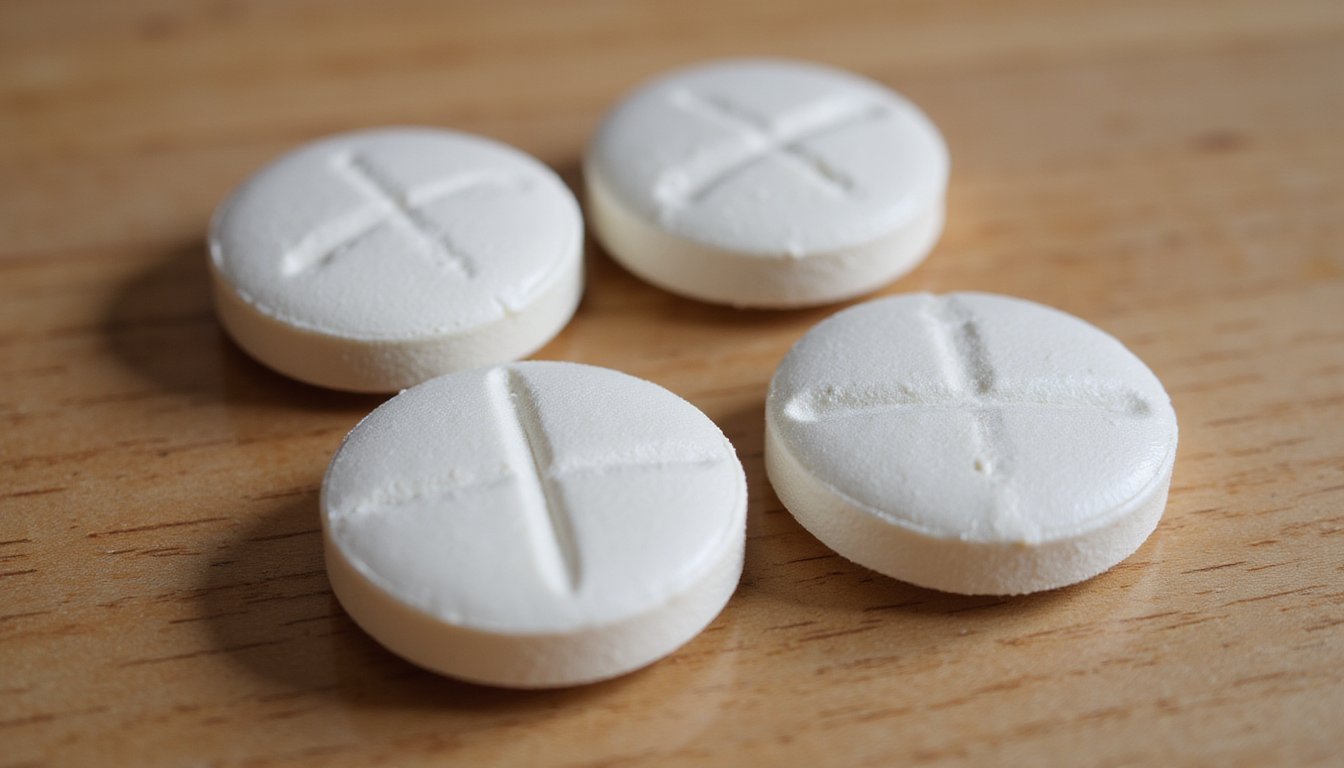
How quickly can your body actually eliminate Adderall, and can you speed up the process? The drug elimination process body relies on is governed by fixed pharmacokinetic parameters. Your liver metabolizes amphetamines via the CYP2D6 enzyme, converting 20-25% into metabolites while your kidneys excrete the remainder unchanged through urine.
If you’re searching for how to get adderall out of system fast, understand that no supplement, detox product, or extreme measure can bypass this biological timeline. Adderall’s 9-14 hour half-life dictates clearance rates, meaning natural clearance amphetamines undergo typically requires 2-3 days. Your kidney function, genetics, and body composition influence individual variation, but time remains the only pharmacologically reliable elimination factor. While urine testing is the most common screening method, hair follicle tests can detect Adderall use for up to 90 days, making short-term flushing strategies entirely ineffective against all testing types. Many individuals wonder how long can Adderall be detected in urine drug test results, as this information can be crucial for those needing to pass screenings. Generally, Adderall can be detected in urine for about 1 to 4 days after use, depending on the frequency of use and other personal factors. Understanding these timelines can help users make informed decisions regarding their medication and drug-testing situations.
How Long Adderall Stays in Your System by Test Type
Understanding how long Adderall remains detectable depends on the type of test you’re facing, as each method targets different biological samples with vastly different detection windows. Urine tests, the most common screening method, can detect amphetamines for 2, 4 days after your last dose, with heavy or prolonged use extending that window to approximately 7 days. Hair follicle tests represent the opposite extreme, capturing metabolites deposited in hair shafts for up to 90 days, though detection doesn’t begin until about one week after use. Blood tests offer a much narrower detection window of 7 to 34 hours, while saliva tests can identify amphetamines for 20 to 50 hours after the last dose.
Urine Detection Windows
Urine pH directly influences clearance rates, acidic urine accelerates elimination, while alkaline urine prolongs it. Hydration and metabolism drugs interact predictably: adequate fluid intake facilitates renal excretion, whereas dehydration concentrates metabolites, increasing detection likelihood. Most Adderall clears within 36, 70 hours, yet urine positivity can persist beyond this range due to metabolite accumulation in chronic users. Standard urine tests can detect Adderall for up to 7 days in individuals with heavy or prolonged usage patterns.
Hair Follicle Testing
While urine testing captures short-term Adderall use within a 36, 70 hour window, hair follicle testing extends detection dramatically, up to 90 days after the last dose. Drug metabolites incorporate into hair strands via blood circulation, making the hair follicle testing detection window resistant to manipulation.
Key pharmacokinetic parameters you should understand:
- Metabolites require approximately 7 days post-ingestion before appearing in hair follicles
- Hair length directly correlates with detection period, capturing long-term use patterns
- Testing identifies chronic use rather than single-dose exposure
This extended window dismantles common adderall elimination myths. No hydration protocol or supplement regimen accelerates metabolite removal from keratin structures. Detox myths drug testing products claiming to cleanse hair follicles lack scientific validation. Your body’s natural incorporation process remains unalterable through external interventions.
How Your Body Actually Breaks Down Adderall

Once you swallow an Adderall tablet or capsule, your gastrointestinal tract absorbs the mixed amphetamine salts into your bloodstream, initiating a multi-stage process governed by well-defined pharmacokinetic principles. Your blood rapidly distributes the drug to organs with high perfusion, including the brain, kidneys, and liver.
| Process | Key Detail |
|---|---|
| Liver metabolism amphetamine | CYP2D6 enzymes oxidize amphetamine into minimally active metabolites |
| Renal elimination pathway | 30-40% excretes unchanged; urinary pH directly modulates clearance rate |
Acidic urine accelerates excretion by ionizing amphetamine, while alkaline urine promotes reabsorption. Most detox methods drug test candidates pursue can’t override these fixed enzymatic and renal mechanisms. Your body’s clearance timeline depends on formulation type, enzyme activity, and individual physiology, not intervention shortcuts.
Why Some People Clear Adderall Faster Than Others
The pharmacokinetic machinery described above operates at different speeds from person to person, which explains why two individuals taking the same 20 mg dose can show markedly different clearance timelines. Three primary variables drive this divergence:
- Metabolic rate variations, Your liver enzyme activity directly governs amphetamine biotransformation speed. Faster hepatic metabolism shortens elimination half-life, while slower processing extends drug retention.
- Genetic predispositions, Polymorphisms in CYP2D6 and other enzymes create measurable differences in how rapidly you convert amphetamine into inactive metabolites for renal excretion.
- Absorption rate efficiency, Food intake, gastric pH, and hydration status alter how quickly Adderall enters systemic circulation, which subsequently shifts peak plasma concentration timing and overall clearance duration.
These factors aren’t modifiable through detox products, they’re fixed physiological parameters.
How pH, Hydration, and Dosage Shift Detection Times

Your urine pH directly influences how quickly your kidneys excrete amphetamine, with acidic urine accelerating elimination and alkaline urine promoting reabsorption that extends detection times by several days. Hydration supports normal renal function but exerts far less influence on clearance rates than pH or metabolic factors. Meanwhile, your dosage and frequency of use determine the total drug load your body must process, with higher or chronic doses requiring more half-life cycles before levels drop below detectable thresholds.
pH Affects Elimination Speed
Because urinary pH directly governs how amphetamine molecules behave in the kidneys, it’s the single most influential variable affecting how quickly your body eliminates Adderall. When acidic urine keeps amphetamine in its ionized state, renal tubules can’t reabsorb it, and amphetamine excretion increases by approximately 48, 75%. Similarly, the impact of urinary pH on the elimination of Vyvanse can also be significant, as both substances are processed through similar metabolic pathways. Understanding the differences in how Vyvanse and Adderall urine test results can vary based on these factors is crucial for accurate interpretation in clinical settings. Consequently, individuals taking these medications may need to consider dietary or lifestyle adjustments to optimize their urinary pH and influence their medication’s effectiveness.
Here’s how urinary pH shifts elimination dynamics:
- Low pH (acidic urine): Ionized amphetamine passes directly into urine, accelerating clearance and shortening detection windows.
- Neutral pH: Moderate reabsorption occurs, producing standard elimination half-lives.
- High pH (alkaline urine): Non-ionized, lipophilic amphetamine crosses tubular membranes back into your bloodstream, prolonging both drug effects and detectability.
This pH-dependent reabsorption mechanism explains why individuals with identical doses can show dramatically different elimination timelines based solely on their urinary chemistry.
Dosage Alters Detection Windows
Every milligram of Adderall you take adds measurably to the total amphetamine load your body must process, and that cumulative burden directly stretches detection windows beyond standard estimates. Higher doses saturate your liver enzymes and renal pathways, slowing clearance beyond typical 1, 4 day timelines. Urine amphetamine concentrations can range from a few hundred to over 100,000 ng/mL depending on your dose and timing.
Extended-release formulations compound this effect through gradual drug delivery, prolonging metabolite presence compared to immediate-release versions. Chronic use creates additional challenges, metabolites accumulate in fatty tissues faster than your body eliminates them, extending detection to seven days or longer. Your individual metabolism, liver capacity, and kidney function interact with dosage to produce highly variable clearance outcomes.
Why Detox Drinks Don’t Work for Adderall
Despite aggressive marketing claims, detox drinks and pills lack any credible scientific evidence supporting their ability to accelerate Adderall elimination from the body. These products are ineffective against Adderall metabolism because your kidneys clear amphetamines at a fixed physiological rate that external products can’t override.
False marketing claims suggest these products boost metabolism or mask drug presence, but documented failures occur frequently. Here’s what actually happens when you use them:
- Dilution detection triggers: Laboratories measure specific chemical ratios and flag artificially diluted samples, often resulting in automatic test failure.
- Recognizable chemical signatures: Detox products introduce identifiable adulterants that certified facilities detect through advanced screening methods.
- Health risks without benefit: Side effects include headaches, upset stomach, and psychosis, complications that outweigh any unsubstantiated elimination claims.
Adderall Flushing Methods That Can Hurt You
Some methods people use to try flushing Adderall from their system can cause serious, even life-threatening harm. Dangerous water overloading can dilute your blood sodium to critical levels, pH manipulation tactics can disrupt your body’s acid-base balance, and unsafe detox products often contain unregulated ingredients with unpredictable effects. Understanding these risks helps you avoid trading a failed drug test for a medical emergency.
Dangerous Water Overloading Risks
When people attempt to flush Adderall from their system by drinking excessive amounts of water, they expose themselves to a potentially fatal condition called water intoxication, or hyponatremia. This occurs when excessive fluid intake dilutes blood sodium levels below safe thresholds, disrupting cellular function.
You should recognize these critical dangers of water overloading:
- Hyponatremia causes sodium concentrations to drop, leading to brain swelling, seizures, and potentially death.
- Electrolyte imbalances impair cardiac and neurological function, creating medical emergencies that require hospitalization.
- Water intoxication symptoms escalate rapidly from nausea and headache to confusion, coma, and organ failure.
Adderall’s stimulant properties can mask early warning signs of overhydration, making you less likely to recognize dangerous symptoms. No amount of water consumption accelerates amphetamine metabolism beyond your body’s fixed enzymatic capacity.
Harmful pH Manipulation Tactics
Because urine pH directly influences how quickly your kidneys excrete amphetamines, some people attempt to artificially acidify their urine to shorten Adderall’s detection window, a tactic that carries real health consequences without delivering reliable results.
Acidic urine accelerates elimination to 24, 48 hours, but sustaining the required pH through supplements or extreme diets risks kidney stones, urinary tract infections, and electrolyte imbalances. Chronic manipulation compromises renal function directly.
These harmful pH manipulation tactics also fail practically. Modern laboratories flag artificially altered specimens through adulterant detection systems calibrated specifically for drug test evasion attempts. SAMHSA’s confirmatory cutoff of 250 ng/mL accounts for manipulation, and detected tampering triggers consequences worse than a positive result. Your individual metabolism, liver health, and kidney function make urine pH responses unpredictable regardless.
Unsafe Detox Product Dangers
Beyond pH manipulation, a broader category of commercially marketed detox products, drinks, capsules, and herbal supplements, promises to accelerate Adderall elimination before a drug test, yet none have demonstrated efficacy in peer-reviewed research. These unsafe detox products introduce significant drug test risks without altering amphetamine pharmacokinetics.
Common dangers include:
- Detox drinks often function solely as diluents, triggering specimen validity testing failures that labs flag as suspicious or invalid.
- Herbal supplements may contain undisclosed ingredients that interact with prescribed medications, producing adverse cardiovascular or hepatic effects.
- High-dose niacin products have caused hepatotoxicity and metabolic acidosis in documented clinical cases.
Your body’s CYP2D6 enzyme activity and renal clearance rate determine elimination speed, not commercial products. You can’t pharmacologically override Adderall’s 9, 14 hour half-life with unregulated supplements.
What Prescribed Adderall Users Should Do Before a Test
If you take Adderall under a valid prescription, the most critical step before any drug test is proactive disclosure. Rather than searching how to flush adderall out of system for drug test, focus on prescription disclosure by providing your prescriber’s documentation, pharmacy printouts, and prescription bottle to the testing authority. List all medications on testing forms when prompted.
Sound medication management requires consulting your prescribing physician before the test. Don’t alter your dosage or discontinue Adderall without medical guidance, as abrupt cessation triggers withdrawal symptoms and raises additional scrutiny. Initial immunoassay screens can’t distinguish prescribed amphetamines from illicit use, so anticipate confirmatory GC-MS or LC-MS testing. Medical Review Officers will verify your prescription’s legitimacy. Maintain thorough pharmacy records demonstrating consistent prescription fills and medication compliance throughout the verification process.
Actual Adderall Clearance Timelines by Usage Level
Understanding your prescription status addresses one side of the equation, but knowing how long Adderall actually stays in your body answers the question most people are really asking when they search how to flush Adderall out of system for drug test.
Most people really want to know how long Adderall stays in their system, not how to flush it.
Can you flush amphetamines faster than your metabolism allows? No. Clearance depends on usage patterns, not intervention methods. Speeding up drug elimination beyond physiological capacity isn’t achievable.
Here’s what pharmacokinetic data shows:
- Single use: Adderall clears urine within 1, 4 days, with complete systemic elimination occurring in 40, 72 hours for healthy adults.
- Chronic use: Detection extends up to 7 days as amphetamine metabolites accumulate faster than hepatic and renal pathways can process them.
- Extended-release formulations: A 10 mg XR dose requires approximately 59 hours for clearance.
How to Talk to Your Doctor About Adderall and Drug Testing
How straightforward is the conversation with your doctor when drug testing enters the picture? It’s simpler than you’d expect. Contact your prescribing physician before the test date and confirm your current dosage, frequency, and prescription status. Your doctor can provide documentation verifying legitimate therapeutic use.
Bring your prescription bottle or pharmacy printout to the testing appointment. A Medical Review Officer, a licensed physician, will review positive amphetamine results and verify your prescription through established protocols. This safeguard exists specifically to protect patients taking prescribed medications.
Don’t stop taking Adderall to pass a test without your physician’s guidance. If you’re taking more than prescribed or obtaining it from non-pharmacy sources, disclose this during your consultation. Address any concerns about dependency patterns, concurrent substance use, or withdrawal directly with your provider.
Call Today and Get Connected to Care
Real progress comes when you find a treatment approach that adapts to who you are and where you’re headed. At Fortify Wellness in Los Angeles County, our Intensive Outpatient Program delivers steady, personalized treatment that fits your needs while leading you toward real stability and meaningful progress. Call (818) 918-9564 today and take the first step toward a brighter future.
Frequently Asked Questions
Can Exercise Speed up How Fast Adderall Leaves Your Body?
Exercise doesn’t meaningfully speed up Adderall’s elimination from your body. While physical activity increases your metabolic rate and circulation, the drug’s clearance depends primarily on its half-life, liver enzyme activity, and renal excretion, factors exercise can’t greatly alter. Sweating eliminates only trace amounts. You should also know that exercising while Adderall’s still active raises cardiovascular risks, including chronotropic incompetence. Time remains the most reliable factor in clearing amphetamines from your system.
Will a Hair Detox Shampoo Beat a Follicle Test for Adderall?
No, a hair detox shampoo won’t reliably beat a follicle test for Adderall. Amphetamine metabolites become embedded inside your hair’s cortex through blood circulation during growth, shampoos only strip surface residue. Even multi-wash protocols like Old Style Aloe Toxin Rid paired with Zydot Ultra Clean lack peer-reviewed evidence proving they remove internal metabolites. Heavy or recent use makes detection even harder to overcome. Time and abstinence remain your only scientifically reliable options.
Does Taking Vitamins or Supplements Help Eliminate Adderall Any Faster?
No, taking vitamins or supplements won’t meaningfully speed up Adderall elimination from your body. While vitamin C can alter stomach pH and affect how you absorb amphetamines, it doesn’t accelerate your liver’s metabolic clearance rate. Supplements like magnesium and B vitamins help replenish nutrients depleted by long-term stimulant use, but they don’t shorten the drug’s half-life. Your body’s enzymatic and renal processes determine elimination timing, no supplement reliably overrides that pharmacokinetic reality.
Can Secondhand Exposure to Adderall Cause a Positive Drug Test Result?
No, secondhand exposure to Adderall can’t cause a positive drug test. Since you take Adderall orally, it doesn’t become aerosolized or create airborne particles like smokable substances. You can’t absorb it through proximity to someone who’s taken it. Drug test cutoff levels are specifically calibrated to detect intentional ingestion, and your body can’t produce measurable amphetamine metabolites without directly consuming the medication. Only direct ingestion triggers detectable metabolite production.
Will Stopping Adderall Cold Turkey Before a Test Cause Withdrawal Symptoms?
Yes, stopping Adderall abruptly can trigger withdrawal symptoms, including fatigue, depression, increased appetite, and disrupted sleep. The severity depends on your dosage history and how long you’ve been taking it. You shouldn’t stop cold turkey without consulting your prescribing physician, who can design a safe tapering protocol. If you’re facing a drug test, your healthcare provider can also document your legitimate prescription, which legally protects your results.