







People abuse Adderall by taking higher doses than prescribed, crushing and snorting tablets for faster effects, or using medication obtained from friends and family without a prescription. You’ll notice warning signs like rapid weight loss, sleep disruptions, intense cravings, and mood instability. When misuse escalates to addiction, evidence-based treatments include medical detox, behavioral interventions, and dual diagnosis programs. Understanding the full scope of risk factors and recovery pathways can help you take the next step.
What Counts as Adderall Abuse vs. Prescribed Use?
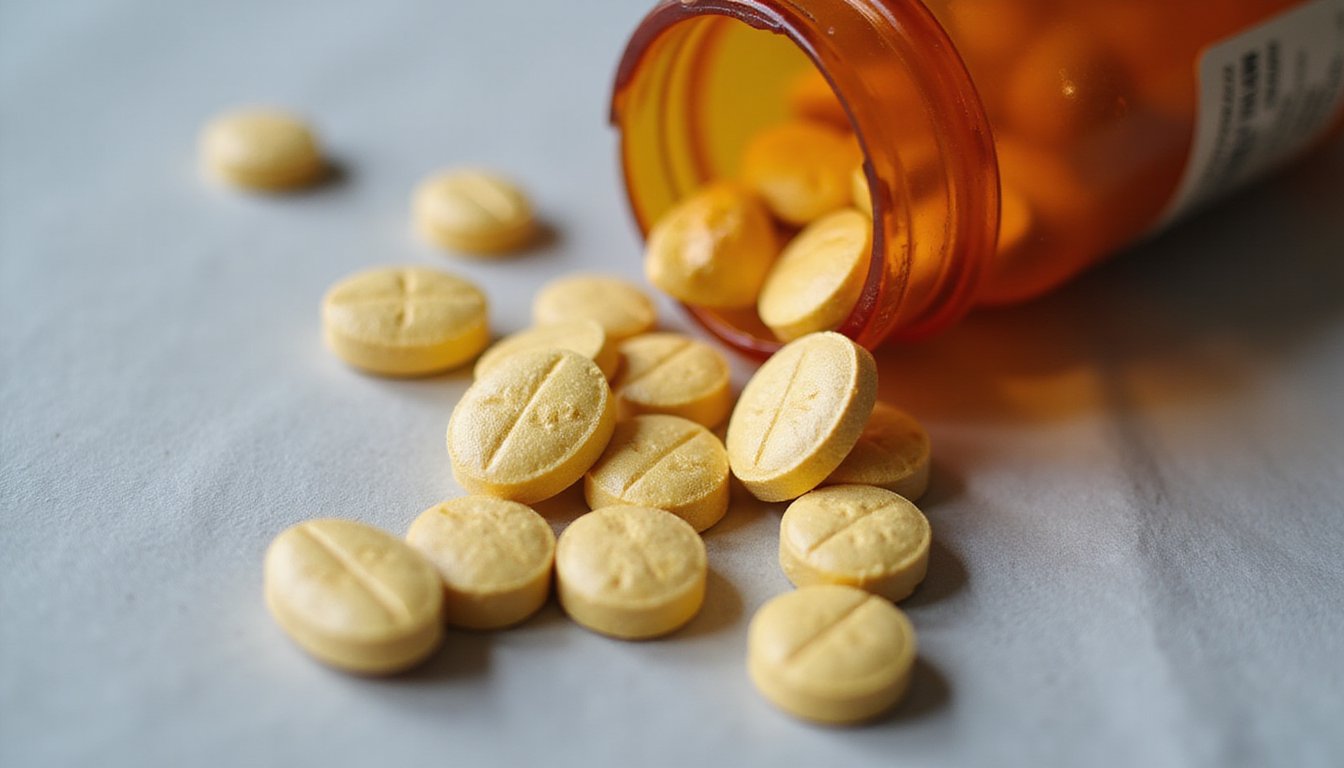
Understanding the difference between Adderall abuse and legitimate prescribed use comes down to intent, supervision, and adherence to medical guidance.
Prescribed Use
When you take Adderall exactly as your doctor directs for ADHD or narcolepsy, you’re using it appropriately. Clinical monitoring guarantees therapeutic doses remain stable, and long-term use under supervision carries low addiction risk. Adderall works to counteract chemical imbalances in the brains of those with ADHD, making proper medical guidance essential.
Adderall Abuse
Prescription stimulant abuse occurs when you take Adderall without a prescription, consume higher doses than directed, or use alternative methods like snorting. Stimulant misuse patterns typically involve seeking euphoria, enhanced performance, or energy rather than symptom management. Those who abuse Adderall may develop obsessive cravings and thoughts about the drug, which are key indicators of addiction. Misuse is highest among young adults aged 18-25, many of whom obtain the medication illegally or from family and friends.
Critical Distinctions
Adderall abuse lacks medical oversight and often involves dose escalation. You’re chasing effects beyond therapeutic benefit. Prescribed use maintains stable dosing; abuse pushes boundaries, substantially increasing addiction and adverse health risks.
How People Misuse Adderall to Get High or Focus
When people misuse Adderall, they typically follow one of two distinct patterns: chasing euphoria or enhancing cognitive performance. For euphoric effects, you might crush and snort tablets, combine them with alcohol, or take doses far exceeding prescriptions. Research shows 40.9% of those seeking intense highs also co-use cocaine.
Academic misuse looks different. You may engage in binge use during exams, staying awake for days while exceeding prescribed doses by 21.7%. College students show 20-30% non-medical use rates, with peers supplying over 50% of diverted medications.
Weight loss misuse represents another concerning pattern, where appetite suppression becomes the primary goal. Regardless of motivation, 65% of misusers screen positive for drug abuse, indicating these behaviors rarely remain isolated.
Who’s Most Likely to Abuse Adderall?

Certain populations face substantially higher risks for Adderall misuse, with age serving as the strongest predictor. Young adults ages 23-24 show peak prevalence at 10.8%, with 60% of non-medical use occurring in the 18-25 demographic. You’ll find that teens aren’t far behind, one in four middle and high school students have abused stimulants, and marijuana users are four times more likely to misuse ADHD medications.
School environments greatly influence risk patterns. Schools with large ADHD prescription populations show 36% higher abuse rates. Suburban institutions, particularly outside the Northeast, demonstrate heightened misuse, especially those with college-educated parent populations and medium binge drinking rates. Regional data reveals 18.5% lifetime use in Western states, while demographic factors show amplified vulnerability among Alaskan Natives and American Indians.
Why College Students Abuse Adderall at Twice the Rate
If you’re a college student, you face a unique combination of factors that greatly elevate your risk for Adderall misuse. Research shows full-time college students are twice as likely as non-college peers to use Adderall nonmedically, with rates spiking sharply during final exams when academic pressure peaks. This pattern persists because you likely have easy access through classmates who sell or share prescriptions, and you may view these pills as safer “study aids” rather than potentially addictive stimulants.
Academic Pressure Drives Misuse
College campuses have become pressure cookers where academic competition drives stimulant misuse at rates twice as high as the general population of same-age non-students. The competitive academic environment creates conditions where you may feel pharmaceutical enhancement is necessary to keep pace with peers.
Data reveals a mental health crisis fueling this pattern, 22.3% of students report overwhelming anxiety, while 18.8% experience depression severe enough to impair functioning. These psychological vulnerabilities correlate directly with stimulant misuse as self-medication.
Peak misuse during high-stress academic periods follows predictable patterns. Twitter data shows Adderall mentions spike sharply during finals, with December 13 recording 2,813 tweets and April 30 showing 2,207. Usage concentrates Monday through Thursday, confirming you’re more likely using stimulants as study aids rather than recreationally.
Easy Access From Peers
Peer networks on college campuses function as informal distribution channels, making Adderall remarkably easy to obtain without a prescription. Through peer-sharing-distribution patterns, two-thirds of young adults using Adderall illegally obtain it from friends or roommates. Over 50% of students with legitimate prescriptions report being asked to sell their medication.
| Risk Factor | Finding | Clinical Significance |
|---|---|---|
| Access-from-prescribed-peers | 61.8% offered stimulants during college | Normalized availability increases experimentation |
| Fraternity/sorority-members | Higher usage rates documented | Social networks amplify distribution |
| Prescription holders | Primary supply source on campus | Legal medications fuel illegal sharing |
You should recognize that smaller, cheaper doses make pills highly accessible. Students perceive verified prescriptions as low-risk, which undermines awareness of dependence potential and masks genuine misuse patterns requiring clinical intervention.
Study Drug Misconceptions Persist
Despite clear evidence of dependence risk and adverse health effects, study drug misconceptions continue to fuel Adderall misuse at alarming rates among college students. You might view stimulants as temporary cognitive enhancers rather than controlled substances with significant dependency potential. This perception drives study drug misuse rates that reach 20-30% among college populations.
Academic stress triggers intensify these patterns, with usage spiking 21.7% during exam periods. You’re twice as likely to misuse stimulants as a full-time student compared to non-enrolled peers. Misconception drivers include beliefs that prescription medications are inherently safe without medical supervision and that academic justification somehow reduces health consequences.
The reality contradicts these assumptions. Combining Adderall with alcohol, common in college settings, compounds cardiovascular and neurological risks. You can’t eliminate dependency potential simply by rationalizing the purpose of use.
Where Do People Get Adderall Without a Prescription?
Curiosity about where non-prescribed Adderall comes from often reveals predictable supply chains that clinicians and families should understand.
Friends and Family
Over three-quarters of individuals obtain Adderall from friends and family without payment. These gift-like transactions typically involve one or two pills from prescription holders sharing excess medication.
Acquaintance Black Markets
When personal networks fail, users turn to acquaintance black markets, purchasing from friends-of-friends or extended social connections. Though more reliable than gifts, these transactions carry greater stigma.
Deceived Clinicians
Some individuals fraudulently obtain prescriptions by faking ADHD symptoms. Research shows those who manipulate deceived clinicians tend to use Adderall more frequently than those relying on other sources, as this method enables sustained access through legitimate pharmacy channels. The growing interest in adderall effects in people without adhd raises concerns about its potential misuse and the implications for mental health. As more individuals explore the cognitive enhancements associated with the drug, the risk of dependency increases, leading to a broader conversation about appropriate prescriptions. Health professionals are urged to reassess their prescribing practices to prevent such scenarios from escalating.
Understanding these pathways helps you identify intervention opportunities before misuse escalates.
Warning Signs Someone Is Misusing Adderall

Recognizing Adderall misuse early can prevent escalation to dependence and serious health consequences. You’ll often notice physical changes first, rapid weight loss from suppressed appetite, sleep disruptions, tremors, and cardiovascular symptoms like elevated/heightened/increased heart rate.
Early recognition of physical warning signs, weight loss, sleep issues, and cardiovascular changes, can prevent Adderall misuse from becoming dependence.
Behavioral shifts provide critical diagnostic indicators. Watch for increased secrecy around medication, social withdrawal, and unusual energy fluctuations between extreme alertness and crashes. Irritability and anger often emerge, triggered by minor stressors.
Mental health warning signs include persistent anxiety, mood instability, and paranoia and suspicious thoughts, particularly at higher doses. Severe cases may present with hallucinations or delusions.
Dependence markers include intense cravings, loss of control over dosing, and continued use despite clear harm to relationships or functioning. These patterns signal the need for professional evaluation and intervention.
Adderall Health Risks That Send Thousands to the ER
When you misuse Adderall, you’re exposing yourself to serious health consequences that increasingly land people in emergency rooms across the country. ER visits for Adderall misuse rose 156% between 2006 and 2011, driven largely by cardiovascular complications like dangerous blood pressure spikes and mental health crises including severe agitation and panic attacks. Understanding these risks can help you recognize when stimulant use has crossed into territory that threatens your physical and psychological safety.
Cardiovascular Emergency Complications
Although Adderall carries cardiovascular risks at any dose, misuse dramatically elevates the potential for emergency complications. When you take stimulants beyond prescribed levels, you’re exposing your cardiovascular system to dangerous strain. Clinical data links prescription amphetamines to myocardial infarction, coronary thrombosis, aortic dissection, and sudden cardiac death.
The cardiovascular strain manifests through measurable changes: heart palpitations occur in 2-4% of users, while tachycardia affects up to 6%. You may experience high blood pressure as stimulants activate your sympathetic nervous system. Research shows a 10 bpm heart rate increase correlates with 20% higher cardiac death risk.
Long-term misuse compounds these dangers considerably. Studies indicate you’re 57% more likely to develop cardiomyopathy after 10 years of stimulant use. Emergency department visits for prescription stimulant side effects have more than doubled over five years.
Mental Health Crisis Events
How severe can Adderall’s impact on mental health become? Non-medical use spikes dopamine levels, triggering euphoria that can rapidly escalate into psychosis. You’re facing real PsychoticEpisodesTriggers when high doses cause racing thoughts, substantial insomnia, and disconnection from reality. ER visits for adverse mental effects rose 156 percent between 2006-2011.
- Aggressive or hostile behavior emerges in misuse cases, creating mental health emergencies
- Emotional crashes follow dopamine surges, increasing depression and SuicideAndEmotionalImpairment risks
- Untreated withdrawal exacerbates mental instability and suicidal ideation
Your CrisisInterventionNeeds matter. If you’re experiencing a mental health crisis related to stimulant use, call 988 for immediate support. SAMHSA’s helpline at 1-800-662-HELP connects you with treatment resources. Therapy markedly increases recovery success when withdrawal feels unbearable.
Rising ER Visit Rates
Emergency departments across the country have documented a sharp rise in Adderall-related visits, reflecting the broader mental health risks discussed above. Between 2006 and 2011, Adderall-specific ER visits increased 156%, climbing from 862 to 1,489 cases annually. You should recognize that taking more than prescribed drives many of these emergencies, with cardiovascular complications and severe anxiety attacks among the most common presentations.
| Risk Factor | Clinical Outcome |
|---|---|
| Diversion of ADHD meds | 67% rise in non-medical use among adults |
| Early refill behavior | Indicates dose escalation and dependence |
Young adults ages 18-25 account for 60% of non-medical use cases. Importantly, ER trends rose despite stable or declining prescriptions, confirming that diversion, not overprescribing, fuels this crisis. The FDA’s 2006 black box warning underscores cardiovascular dangers you shouldn’t ignore.
When Adderall Abuse Becomes an Addiction
Adderall abuse can spiral into addiction when the brain’s reward system becomes dependent on the drug to function normally. You’ll notice dose escalation becomes necessary as tolerance builds, what once worked no longer produces the same effect. Stimulant dependence develops when you can’t stop despite wanting to, and withdrawal symptoms emerge between doses.
Clinical indicators that abuse has progressed to addiction include:
- Continued use despite physical, psychological, or social consequences
- Unsuccessful attempts to cut down or control use
- Significant time spent obtaining, using, or recovering from the drug
Co-occurring disorders in this addiction context, such as anxiety, depression, or trauma, often fuel compulsive use patterns. Recognizing these diagnostic markers helps determine appropriate treatment intensity and intervention strategies.
Treatment Options for Adderall Addiction and Recovery
Recovery from stimulant addiction requires a structured, evidence-based approach that addresses both the physical dependence and underlying behavioral patterns driving compulsive use. Medical detox provides supervised tapering strategies and 24-hour nursing care to manage withdrawal safely.
Treatment intensity varies based on clinical assessment. Inpatient programs offer immersive support with individualized planning, while an outpatient treatment program allows you to maintain work and family responsibilities. IOP for stimulant misuse delivers intensive therapy sessions with flexible scheduling, incorporating CBT to modify harmful thought patterns and identify triggers.
Behavioral interventions prove particularly effective for stimulant use disorders. Within a contingency management context, you’ll receive positive reinforcement for abstinence. Extensive aftercare, including dual diagnosis treatment for co-occurring anxiety or depression, considerably reduces relapse risk and supports sustained recovery.
Start Your Recovery Today
If you or someone you know is struggling with Adderall misuse, seeking professional help early can make all the difference. At Fortify Wellness, we offer personalized outpatient treatment programs, including PHP, IOP, and OP, built around your needs and designed for lasting recovery. Call us today at (818) 918-9564 for a confidential consultation.
Frequently Asked Questions
Can You Become Addicted to Adderall if You Take It Exactly as Prescribed?
Yes, you can develop addiction to Adderall even when taking it exactly as prescribed. Research shows that 42.5% of people with prescription stimulant use disorder reported no misuse at all. Adderall’s Schedule II classification reflects its serious abuse potential regardless of how you take it. Your brain can develop dependence over time, and prescribed doses often increase, averaging 39% higher than initial doses, which may contribute to this risk.
Does Adderall Abuse Increase the Risk of Using Other Drugs Like Marijuana?
Yes, Adderall misuse does increase your risk of using other substances like marijuana. Research shows college students who misuse prescription stimulants are eight times more likely to also use marijuana or binge drink. You might combine substances to manage Adderall’s side effects, using cannabis to relax or sleep after stimulant effects wear off. This co-use pattern raises your overall risk for dependence and complicates treatment outcomes considerably.
Why Do Adderall Abuse Rates Drop Significantly After Age 25?
Adderall abuse rates drop after 25 primarily because you’re leaving the high-pressure college environment where misuse peaks. You’re also experiencing brain maturation, your prefrontal cortex fully develops around 25, improving impulse control and decision-making. Additionally, you’re moving into career and family responsibilities that reduce access to diverted prescriptions and shift priorities away from stimulant-driven performance enhancement. Fewer prescriptions are dispensed to this age group, limiting availability.
Are Short-Acting or Long-Acting Adderall Formulations More Commonly Abused?
Short-acting Adderall formulations are more commonly abused. You’ll find they create rapid peaks and troughs in blood levels, producing more pronounced euphoric effects that reinforce misuse. The multiple daily doses required also increase handling frequency and diversion opportunities. Extended-release formulations release medication gradually, smoothing blood level curves and reducing the rewarding “high” that drives abuse. However, some individuals circumvent this by crushing or splitting XR capsules to obtain immediate-release effects.
How Many People With Adderall Abuse Actually Meet Criteria for Addiction?
Among prescription stimulant users, about 25% report misuse, but only 9% meet criteria for a formal use disorder. When you look at those with Prescription Stimulant Use Disorder, 87.1% involve amphetamines like Adderall. Importantly, 63.6% of these cases are classified as mild. This means you can misuse Adderall without meeting addiction criteria, but that doesn’t eliminate risk, as patterns can escalate over time.