






Kratom activates the same opioid receptors that drove your original dependency, which means using it can quietly reactivate cravings and undo your neurobiological progress, even if it feels like a safer, natural alternative. Withdrawal symptoms like anxiety, muscle pain, and intense cravings often push people back toward use, especially without structured support. You can prevent relapse through medication-assisted treatment, CBT, and personalized pain management strategies you’ll find outlined below.
Does Kratom Count as a Relapse?

Whether kratom counts as a relapse depends on the recovery framework you’re working within, and the honest answer is that most clinical models treat it as one. Kratom’s alkaloids interact directly with opioid receptors, producing dependency and withdrawal patterns that mirror the substances you’re recovering from. Traditional 12-step programs classify any opioid receptor activation as relapse, while harm reduction models may view it differently depending on context. Recovery is deeply personal, and self-definition of sobriety plays a critical role in determining how kratom use fits within your individual journey.
What matters most clinically isn’t the label, it’s the pattern. If you’re hiding use, minimizing withdrawal, or replicating old addictive behaviors, that’s relapse territory regardless of kratom’s legal status. Effective kratom relapse prevention starts with honest self-assessment and professional guidance, not rationalizations about natural origins or harm reduction arguments that don’t match your actual experience. Signs of kratom addiction symptoms can manifest in various ways, often leading individuals to overlook the severity of their situation.
Why Kratom Triggers Relapse in Recovery
Even if you view kratom as harmless because it’s legal and plant-based, its alkaloids bind to the same mu-opioid receptors that drove your original addiction, reigniting the neural pathways your recovery worked to quiet. This hidden addiction potential means your brain doesn’t distinguish between kratom and the substances you’ve already fought to leave behind. The familiar euphoria can also reignite cravings and trigger psychological responses tied to past substance use, making even occasional use a serious risk. Understanding this opioid receptor reactivation is the first step toward protecting your recovery from a threat that’s easy to underestimate.
Opioid Receptor Reactivation
Because kratom’s primary alkaloids, mitragynine and 7-hydroxymitragynine, act as partial agonists at mu-opioid receptors, using kratom during recovery doesn’t just mimic the effects of traditional opioids; it directly reactivates the same receptor systems your brain worked to recalibrate during treatment. This reactivation triggers compensatory neuroadaptation, reduces endogenous opioid production, and destabilizes the dopaminergic pathways essential for motivation and mood regulation. Compounding this biological risk, unregulated kratom products introduce further unpredictability through adulteration and inconsistent dosing, making it impossible to gauge the degree of receptor reactivation any single exposure may cause.
Among the most underestimated kratom relapse triggers is this receptor-level vulnerability. Even a single use can reverse hard-won neurobiological progress, reigniting cravings through opioid receptor supersensitivity and dopaminergic dysregulation. If you’ve previously used opioids, your receptors are especially susceptible to reactivation, making kratom exposure during recovery particularly high-risk. Understanding this biology empowers you to treat avoidance as a clinical strategy, not just willpower.
Hidden Addiction Potential
Though kratom is widely marketed as a natural herbal supplement, its hidden addiction potential makes it one of the most deceptively dangerous substances you can encounter during recovery. Its legal status and “natural” branding create a false sense of safety, leading you to underestimate dependency risks that mirror opioid addiction profiles.
| Deceptive Factor | Hidden Reality |
|---|---|
| Marketed as natural | Activates opioid receptors directly |
| Legally available | No FDA regulation or safety oversight |
| Presented as harm reduction | Carries its own dependency cycle |
| Casual initial use | Tolerance builds within weeks |
| No prescription required | Withdrawal symptoms rival opioid detox |
Understanding these hidden risks is essential for kratom relapse recovery. Your prior substance use history makes you neurologically vulnerable, recognizing this isn’t weakness, it’s self-awareness that protects your progress.
How Kratom Hijacks Opioid Pathways in the Brain

When you use kratom, its alkaloids, particularly mitragynine and 7-hydroxymitragynine, bind directly to your brain’s mu-opioid receptors, activating the same reward circuitry that traditional opioids target, even though kratom’s pharmacological profile differs in important ways. This repeated activation rewires your neural reward pathways, conditioning your brain to expect kratom’s presence and creating deeply ingrained patterns that can reignite powerful cravings long after you’ve stopped using. Understanding how kratom commandeers these opioid pathways isn’t just academic, it’s essential for recognizing why relapse pulls feel so intense and why your prevention plan needs to account for the biological forces working beneath conscious awareness.
Opioid Receptor Binding Mechanism
Kratom’s grip on the brain starts at the molecular level, where its primary alkaloid, mitragynine, binds directly to the same mu-opioid receptors that morphine, heroin, and fentanyl target. As a partial agonist with a binding affinity of Ki = 161 nM, mitragynine activates your brain’s reward circuitry enough to produce analgesic and euphoric effects that reinforce continued use.
What makes kratom craving management especially challenging is 7-hydroxymitragynine, a secondary alkaloid that’s over 34 times more potent than mitragynine at mu-opioid receptors. With a Ki of just 7.16 nM, it surpasses even morphine’s binding strength. Together, these alkaloids create layered opioid receptor engagement that deepens neurological dependence, which is why understanding this mechanism matters for your recovery strategy.
Neural Reward Pattern Reactivation
Beyond receptor binding itself, kratom’s alkaloids set off a cascade of neurological changes that fundamentally rewire how your brain processes reward. When kratom activates opioid receptors on GABAergic interneurons in your ventral tegmental area, it suppresses GABA release, removing the brake on dopamine neurons. The result is a flood of dopamine into your nucleus accumbens that’s entirely disconnected from natural reward stimuli.
With repeated exposure, your brain adapts. Dopamine receptor sensitivity drops, reward thresholds climb, and you need more kratom to feel baseline satisfaction. These neuroadaptations don’t vanish overnight, they create lasting vulnerability that makes effective kratom relapse coping essential. Understanding that your brain’s reward architecture has been structurally altered helps you approach prevention with the clinical seriousness it demands.
Kratom Withdrawal Symptoms That Fuel Relapse
Though acute kratom withdrawal rarely poses life-threatening medical risks, the intensity of its symptoms drives relapse more reliably than almost any other factor in early recovery. During days two through four, physical symptoms, muscle pain, gastrointestinal distress, tremors, and insomnia, converge with psychological peaks of anxiety, depression, and overwhelming cravings. This simultaneous escalation creates a window where rational decision-making collapses under sheer discomfort.
Because kratom’s alkaloids activate opioid receptors, withdrawal mirrors opioid cessation closely enough that your brain registers abstinence as a crisis demanding immediate relief. This neurochemical urgency explains why kratom relapse after treatment concentrates so heavily in the first week. Understanding that these symptoms are time-limited and treatable, not permanent, gives you a critical cognitive anchor when the pull toward use feels unbearable.
Why Quitting Kratom Cold Turkey Rarely Works
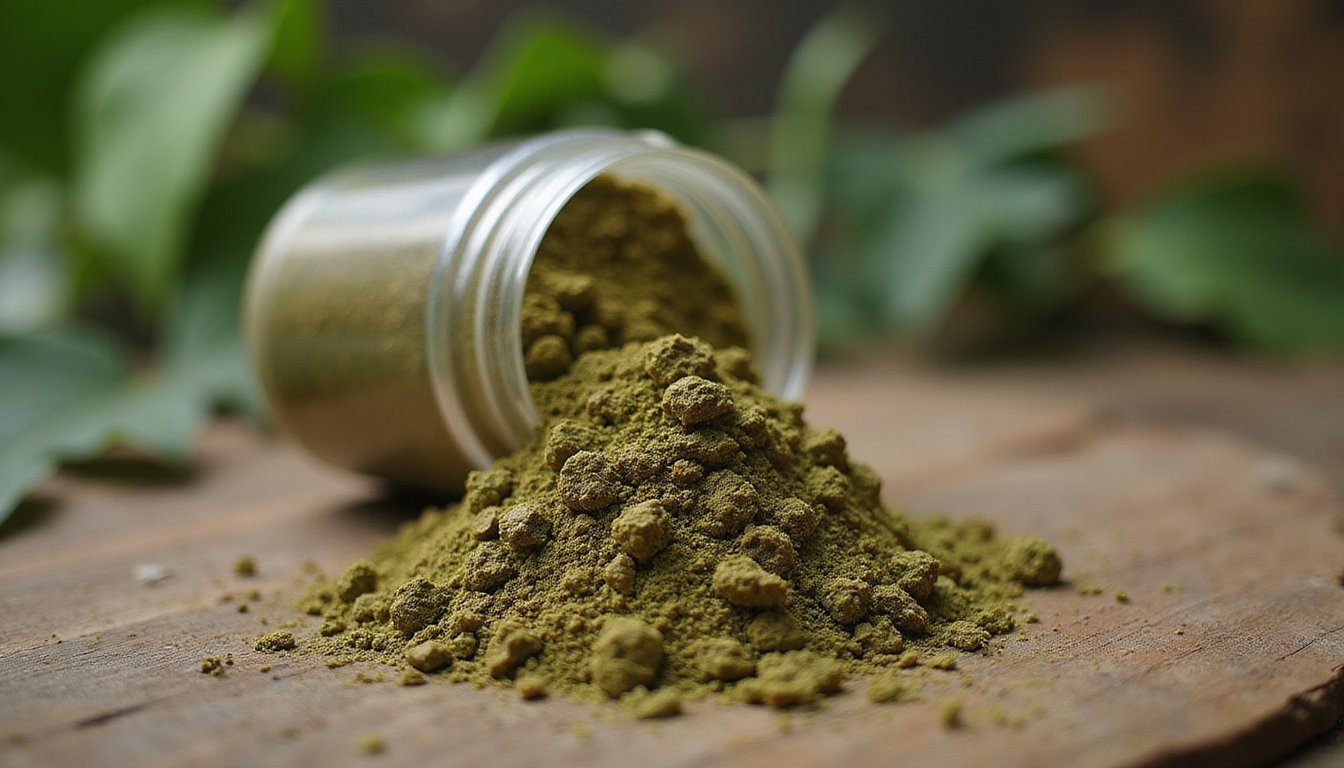
When you stop kratom abruptly after sustained use, you’re not just testing your willpower, you’re forcing a neurochemical crisis your brain isn’t equipped to handle. Mitragynine and 7-hydroxymitragynine have reshaped your opioid receptors, and sudden removal triggers withdrawal that peaks between days two and four with severe muscle pain, insomnia, and crushing anxiety.
This peak intensity is precisely why kratom relapse happens. At 3am, when kratom offers relief in twenty minutes and willpower offers nothing, the biological drive overwhelms rational decision-making. Most cold turkey attempts fail during this window, often leading to higher doses than before. The challenge of overcoming the biological drive is compounded by the quitting kratom withdrawal timeline. It can take several days before the worst of the symptoms subside, making early recovery particularly arduous.
A supervised taper, reducing intake by 10-25% over weeks, blunts the acute phase and breaks this cycle.
Treatments That Actually Help Kratom Dependency
The failure of cold turkey attempts points to a fundamental truth: kratom dependency responds to structured treatment, not sheer determination. Evidence-based approaches work because they address the biological and psychological roots of dependence simultaneously.
Kratom dependency responds to structured treatment, not sheer determination, addressing both biological and psychological roots simultaneously.
Effective treatment for preventing kratom relapse typically combines:
- Medication-assisted treatment, Buprenorphine-naloxone stabilizes brain chemistry, reduces cravings, and manages withdrawal while you build recovery skills
- Cognitive-behavioral therapy, CBT helps you identify triggers, restructure thought patterns driving use, and develop practical coping strategies
- Group therapy and peer support, Shared experience provides accountability, emotional validation, and proven recovery strategies
These aren’t competing options. They’re complementary tools that work best together, each reinforcing the others to create durable, lasting recovery from kratom dependency.
Safer Ways to Manage Pain and Anxiety in Recovery
Many people who started using kratom weren’t chasing a high, they were trying to manage real pain or real anxiety, and that underlying need doesn’t disappear just because you’ve stopped using. A strong kratom relapse plan addresses these root issues with safer alternatives. Understanding the effects of kratom on anxiety can provide valuable insights for individuals looking to find relief without resorting to more harmful substances.
| Category | For Pain | For Anxiety |
|---|---|---|
| Behavioral | CBT and coping skills training | Mindfulness meditation |
| Body-Based | Biofeedback and restorative therapies | Deep breathing exercises |
| Self-Directed | Gratitude journaling | Grounding with five senses |
| Professional | Interventional procedures | Therapist or psychiatrist support |
| Structured | Fixed dosing of nonpsychotropic options | Self-soothing kits |
Inadequate pain relief increases relapse risk by encouraging self-medication. Your treatment team can match these strategies to your specific triggers, ensuring you’re not left white-knuckling through discomfort without support.
Reach Out Today and Take Back Your Life
Recovering from Kratom addiction takes more than willpower alone, and the right professional support can change everything about your path forward. At Fortify Wellness in Los Angeles County, our experienced team provides trusted Intensive Outpatient Program care with compassion and a personalized approach. Call +1 (818) 918-9564 today and take the first step toward lasting recovery.
Frequently Asked Questions
How Long Does Post-Acute Withdrawal From Kratom Typically Last?
Post-acute withdrawal from kratom typically lasts several weeks to months after your acute detox phase resolves. You’ll likely notice mood swings, anxiety, brain fog, cravings, and disrupted sleep that come and go rather than staying constant. If you’ve used kratom heavily, at high doses, or with concentrated products, your PAWS timeline tends to stretch longer. Staying in structured outpatient care through this vulnerable window greatly strengthens your recovery and reduces relapse risk.
Can Kratom Relapse Be Fatal if Tolerance Has Decreased?
Yes, kratom relapse can be fatal when your tolerance has decreased during abstinence. Your body no longer adapts to doses you previously handled, making your former amount potentially deadly, especially if products contain unknown adulterants or you’re combining substances. Cardiac arrest, seizures, and respiratory depression are documented risks. This is exactly why supervised relapse prevention programming matters. Fortify Wellness integrates these safeguards into every level of care to protect you during your most vulnerable period.
Does Kratom Use Show up on Standard Drug Tests?
No, kratom won’t show up on standard 5, 10, or 12-panel drug tests. These panels don’t screen for mitragynine or 7-hydroxymitragynine, kratom’s active compounds. However, specialized tests using LC-MS/MS can detect kratom when specifically ordered, and some treatment facilities and pain management programs do request them. If you’re in recovery, it’s important to know that certain expanded panels can identify kratom use within one to seven days.
Should I Tell My Sponsor if I Used Kratom Once?
Yes, you should tell your sponsor. Hiding kratom use undermines the trust and accountability that make your recovery relationship work. Your sponsor isn’t there to judge you, they’re there to help you examine your motivations honestly. Whether that single use signals a lapse or something deeper, you can’t figure that out alone. Opening up creates space for collaborative problem-solving and strengthens your recovery rather than quietly eroding it.
Are Certain Kratom Strains More Likely to Cause Relapse?
Yes, certain strains carry higher relapse risk. Red Bali and green Maeng Da contain heightened alkaloid concentrations that activate your opioid receptors more intensely, triggering the same reward pathways involved in prior substance dependence. However, no strain is truly safe if you’re in recovery, they all interact with mu-opioid receptors. Switching between strains doesn’t reduce your risk; it prolongs use patterns. Fortify Wellness can help you build personalized relapse prevention strategies.