
Fortify Wellness provides outpatient drug and alcohol rehab for adults and adolescents in Woodland Hills, CA from its facility elsewhere in the San Fernando Valley in Granada Hills. We treat substance use with co-occurring depression, anxiety, and trauma through partial hospitalization, intensive outpatient, and standard outpatient care. Call (818) 918-9564 to verify your insurance and start.
Outpatient rehab at Fortify Wellness is structured addiction treatment you attend on a schedule while living at home, rather than moving into a residential facility. For working adults around Woodland Hills and the Warner Center, that structure is often the deciding factor: treatment that fits into a working week instead of interrupting it. Care is organized into levels of intensity, built on evidence-based therapy led by cognitive behavioral therapy, and delivered by licensed clinicians. Because it happens around your real routine, recovery is practiced in the same environment where it has to hold rather than in isolation from it.
Treatment draws on several evidence-based methods rather than one. Cognitive behavioral therapy is central, used to trace and interrupt the connection between triggers and substance use. Individual counseling gives focused time with a licensed clinician on what is driving a person’s addiction, and group therapy builds accountability and peer support. When a mental health condition sits beneath the substance use, psychiatric care and medication management address it in the same plan, so depression, anxiety, bipolar disorder, or trauma are treated rather than left to resurface. Case management and practical support, including help with work and connections to sober living, handle the pressures outside the clinical hours that often decide whether recovery holds.
There are three levels of outpatient care at Fortify Wellness, and a clinical assessment sets the entry point. Partial hospitalization (PHP) is the most structured, running a large part of the day across several days a week for people who need substantial support without an overnight stay. Intensive outpatient (IOP) steps down to a few focused sessions a week, which suits professionals and students who need to stay in their routine. Standard outpatient care is the lightest, centered on continuing counseling that keeps recovery steady over time. People generally move down the continuum as they stabilize, with one clinical team carrying them through each stage.
Substance use and mental illness often appear together, and treating both at once is the clinical standard. SAMHSA’s 2024 National Survey on Drug Use and Health estimated that roughly 21.2 million U.S. adults lived with both a mental illness and a substance use disorder in a single year. For that reason, everyone treated at Fortify Wellness for substance use is also assessed for conditions such as depression, anxiety, bipolar disorder, and trauma, with one coordinated team handling both. Treating the addiction while leaving an underlying condition unaddressed is a frequent path back to relapse, which is why integrated care is the approach.
For people deciding where to start, the two most structured levels differ mainly in the time they ask for.
PHP | IOP | |
|---|---|---|
Time | Most of the day, several days a week | A few hours across a few days |
Fits | Needs close daily support, no overnight stay | Keeping up with work or school |
Role | Treatment leads the day | Treatment works around the day |
Sequence | Usually first, after detox | Usually the step after PHP |
Most people pass through more than one level, starting in PHP and easing into IOP and then standard outpatient as they stabilize, at a pace set by clinical progress. When medically supervised detox is needed first, we arrange it through trusted licensed providers and bring the person into outpatient care once they are stable.
Most commercial insurance plans cover medically necessary addiction treatment, and Fortify Wellness verifies your specific benefits before treatment begins so the cost is clear from the start. The program holds California DHCS certification (Cert 191603AP). Admissions begins with a confidential call or secure form, then a clinical assessment to set the right level of care, then a schedule. Checking benefits is free and quick, and anyone paying privately can ask the admissions team about the options.
Woodland Hills sits at the southwest end of the San Fernando Valley, built around the Warner Center business district and bordered by Tarzana, Canoga Park, West Hills, and Calabasas. It is a settled, professionally anchored community, and addiction reaches it as it does anywhere; what people here often want is discreet treatment that does not require stepping away from work. Fortify Wellness is elsewhere in the Valley in Granada Hills, reachable for a regular outpatient schedule. The broader picture is improving: drug-related overdose and poisoning deaths in Los Angeles County dropped 22 percent in 2024, from 3,137 to 2,438, which the county Department of Public Health called the largest single-year decline on record and tied to wider treatment access. Fentanyl was still involved in a little over half of those deaths, which keeps timely access to care important across the Valley.
Yes. Fortify Wellness provides outpatient drug and alcohol rehab for Woodland Hills residents from its Granada Hills facility, with PHP, IOP, and standard outpatient care for adults and adolescents.
Usually, yes. Intensive outpatient and standard outpatient are structured around work and school, with sessions timed so you can keep your routine. Partial hospitalization asks for more of the day.
Partial hospitalization runs most of the day on several days a week for people needing close support. Intensive outpatient is lighter, a few sessions weekly, so people can stay in work or school. Many step from PHP down to IOP.
Yes. Depression, anxiety, bipolar disorder, and trauma are treated together with substance use, with psychiatric care and medication management in one coordinated plan.
Detox is not offered on-site. When supervised withdrawal is needed first, we coordinate it with a trusted licensed provider and begin outpatient care once the person has stabilized.
Yes. Addiction treatment is protected by federal privacy law, and participation is kept confidential, which is one reason many working adults choose discreet outpatient care.
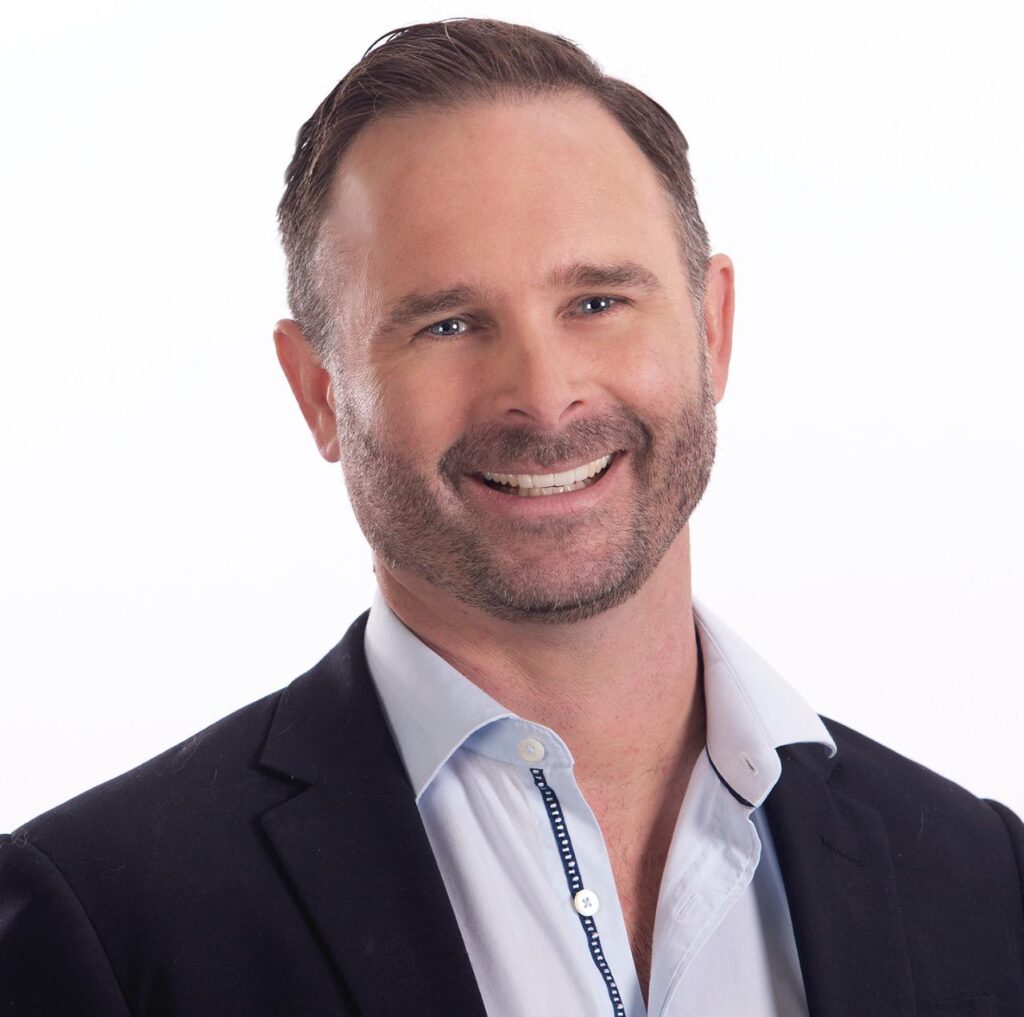
Addiction Psychiatrist, President Headlands ATS
License #A120383
Medically Reviewed By Dr. Christian Small (Addiction Psychiatrist, President Headlands ATS)
Treatment that fits a working life is easier to begin and easier to finish. Call (818) 918-9564 or send the secure insurance form, and admissions will confirm your benefits and walk through which level of care fits your situation.