







Kratom comes from the leaves of Mitragyna speciosa and activates your brain’s mu-opioid receptors, producing effects that shift with dosage. At low doses, you’ll feel stimulated and alert; at higher doses, you’ll experience sedation and respiratory depression similar to opioids. Long-term use can damage your liver, impair cognition, and drive tolerance that escalates into dependence. Because it’s unregulated, you’re also exposed to contamination and unpredictable potency, factors that make kratom far riskier than most people realize.
What Is Kratom and Why Does the FDA Flag It?
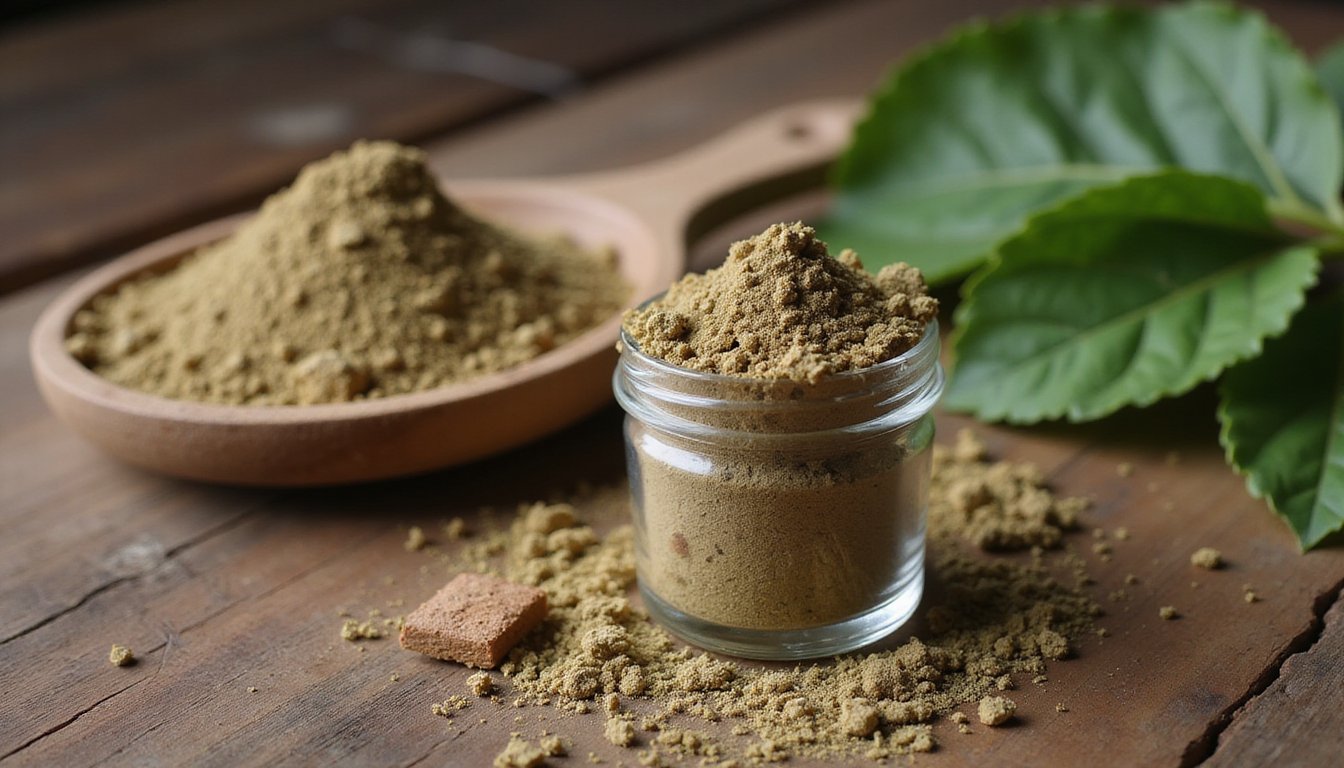
Kratom comes from the leaves of Mitragyna speciosa, a tropical tree native to Southeast Asia, particularly Malaysia, Thailand, and Indonesia, where people have crushed the leaves into tea for centuries to relieve pain and ease opioid withdrawal. Today, you’ll find it sold as powder, capsules, extracts, or tea, often marketed as an herbal supplement despite lacking FDA approval. An estimated 1.7 million Americans aged 12 and older used kratom in 2021, underscoring how widely this unregulated substance has spread across the country.
How Kratom Affects Your Body at Different Doses
Kratom’s effects on your body shift dramatically based on how much you take. At low doses (1, 5g), it acts as a stimulant, increasing your energy, alertness, and heart rate within 10, 20 minutes of ingestion. At higher doses (5, 15g), those stimulant effects give way to sedation, pain relief, and opioid-like activity that carries escalating risks for respiratory depression, nausea, and physical dependence. Doses exceeding 15g may mimic an opioid toxidrome, making naloxone a recommended intervention for cases involving drowsiness and respiratory depression.
Low-Dose Stimulant Effects
When taken in doses of 1 to 5 grams, kratom acts primarily as a stimulant, increasing energy, sharpening focus, and elevating mood in ways users often compare to strong coffee. These kratom effects typically begin within 10 minutes of ingestion and peak for approximately 90 minutes.
During this window, you’ll likely notice heightened alertness, reduced fatigue, and increased sociability. Your heart rate may rise modestly as the stimulant properties take hold. Unlike some stimulants, kratom at these doses doesn’t typically produce a sharp crash, though individual responses vary markedly based on product concentration and personal tolerance. Because kratom products are not regulated, the actual potency can differ significantly between batches, meaning effects may be stronger or weaker than anticipated.
This stimulant profile is what draws many first-time users to kratom. However, the dose-dependent shift toward sedation and opioid-like effects at higher amounts changes the risk picture considerably. Is kratom actually addictive? Many users may develop a tolerance over time, leading them to increase their dosage to achieve the same effects. This pattern can raise concerns about dependency and withdrawal symptoms, highlighting the need for further research on its long-term effects.
High-Dose Sedation Risks
Once doses climb above 5 grams, kratom’s pharmacological profile shifts decisively, the stimulant effects give way to opioid-like sedation as mitragynine and 7-hydroxymitragynine more fully engage mu-opioid receptors. Within 5, 10 minutes, you may experience profound calm, pain relief, and drowsiness. Above 15 grams, the kratom opioid overlap becomes dangerous, mimicking a full opioid toxidrome with respiratory depression and potential unconsciousness.
High-dose use carries escalating clinical risks:
- Acute toxicity, nausea, vomiting, tachycardia, facial flushing, and heavy sweating
- Organ damage, hepatotoxicity with regular high-dose consumption
- Neuropsychiatric effects, hallucinations, delusions, confusion, and seizures
If you’re using kratom at these levels and can’t reduce your intake, that’s a sign of developing dependence, not a personal failing.
What Long-Term Use Does to Your Brain and Liver

When you use kratom daily over months or years, your brain pays a measurable price, studies show chronic exposure impairs memory, focus, visual learning, and problem-solving ability as mitragynine disrupts dopamine and serotonin systems. You may notice cognitive fog, emotional flatness, and a motivation deficit that worsens the longer you use. At the same time, your liver faces real risk: prolonged kratom use is associated with increased liver enzymes, hepatotoxicity, and organ damage, particularly with high-dose or adulterated products.
Cognitive Decline Over Time
Although kratom’s short-term effects on mood and energy receive the most attention, the long-term neurological consequences deserve equal concern. Chronic use alters dopamine and serotonin signaling, producing measurable cognitive deficits that compound over time. As kratom dependence develops, your brain adapts to the constant presence of mitragynine, impairing baseline function.
Research identifies three primary areas of cognitive decline in long-term users:
- Memory deterioration, deficits in visual episodic memory and impaired new learning capacity
- Reduced executive function, diminished problem-solving abilities and difficulty sustaining focus
- Attentional impairment, loss of concentration linked to prolonged neurotransmitter imbalances
These changes aren’t abstract. They affect your ability to work, maintain relationships, and make sound decisions, reinforcing the cycle of continued use.
Liver Toxicity Risks
Beyond its effects on the brain, kratom places significant stress on your liver, an organ central to metabolizing the very alkaloids that drive dependence. Acute liver injury typically emerges within 1, 8 weeks of regular use, presenting as fatigue, nausea, dark urine, and jaundice. In severe cases, serum bilirubin exceeds 20 mg/dL, requiring hospitalization.
| Indicator | Clinical Finding |
|---|---|
| Injury pattern | Cholestatic or mixed hepatotoxicity |
| Symptom onset | Median 14, 22 days of regular use |
| Recovery | Achievable upon discontinuation; no corticosteroids needed |
Higher doses, frequent use, and concurrent alcohol or medication intake compound your risk. Contaminated commercial products introduce additional hepatic stressors. Early discontinuation offers the best prognosis, another reason kratom addiction warrants prompt, structured clinical intervention. Kratom addiction risk can escalate quickly if not monitored. It is essential to understand the potential consequences of prolonged use and to seek help if necessary.
Unregulated Potency, Contamination, and Overdose Risks
Because kratom isn’t approved or regulated by the FDA as a drug, dietary supplement, or food additive, the products sold in gas stations, smoke shops, and online retailers operate in a regulatory blind spot, one that directly affects your safety. The dangers of kratom supplements are well-documented:
- Contamination: FDA testing has identified salmonella, lead, and nickel in kratom products, contaminants linked to over 35 deaths and thousands of reported illnesses.
- Variable potency: Without standardized manufacturing, alkaloid concentrations vary unpredictably between batches, increasing your risk of accidental overdose.
- Toxicity at high doses: Ingestion exceeding 8 grams can trigger hepatotoxicity, seizures, respiratory depression, kidney injury, and cardiotoxicity, risks compounded when kratom is combined with other substances.
Poison control centers received over 3,400 kratom-related reports between 2014 and 2019.
Why Kratom Is More Addictive Than People Think
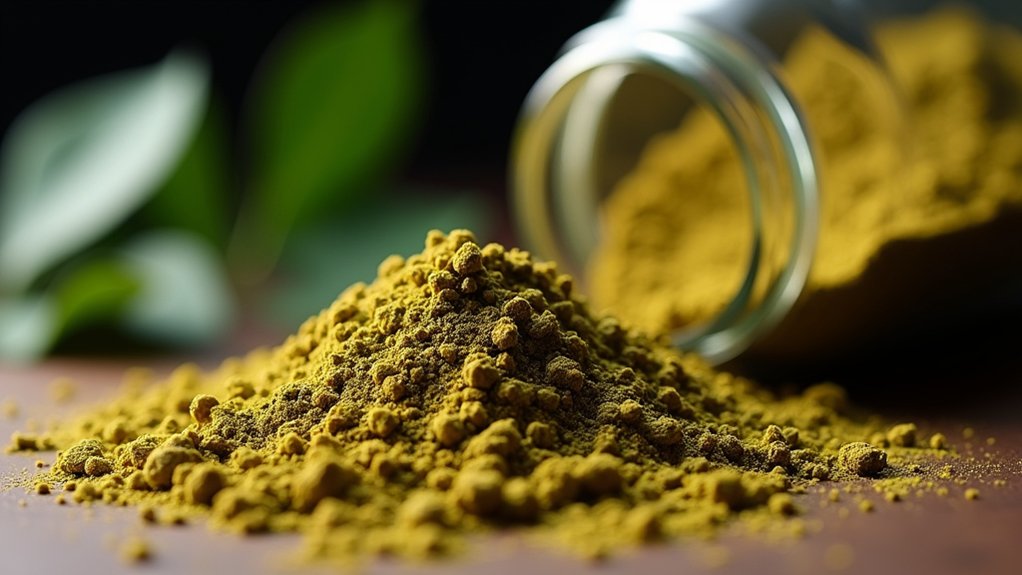
Most people who try kratom don’t expect to develop a dependence, yet the pharmacology tells a different story. Mitragynine and 7-hydroxymitragynine activate the same mu-opioid receptors as morphine and heroin, triggering your brain’s reward system with each dose. Over time, your brain adapts, demanding more kratom to produce the same effect.
What makes kratom addictive isn’t just receptor activity. It’s the combination of opioid-driven tolerance, escalating dosage patterns, and the false safety perception created by its natural origin and legal availability. You may start using kratom for pain, anxiety, or opioid withdrawal, but daily use can quietly shift from choice to compulsion. Failed attempts to cut back, persistent cravings, and neglected responsibilities signal that dependence has taken hold.
Kratom Withdrawal Symptoms and What to Expect
Once dependence takes hold, your body doesn’t let you walk away quietly. Because kratom’s alkaloids activate opioid receptors, withdrawal mirrors opioid discontinuation, confirming what many underestimate: kratom is addictive at the receptor level.
Symptoms typically emerge 6, 12 hours after your last dose, peak during days 1, 3, and can persist seven days or longer. Here’s what the clinical timeline looks like:
Kratom withdrawal can begin within hours of your last dose and persist for a week or more.
- Initial phase (12, 24 hours): Agitation, muscle aches, runny nose, and restlessness signal your nervous system recalibrating.
- Acute phase (days 1, 3): Nausea, diarrhea, intense cravings, anxiety, and insomnia reach peak intensity.
- Subacute phase (days 4, 7): Physical symptoms diminish, but depressed mood, fatigue, and psychological cravings often linger into post-acute recovery.
How to Get Help for Kratom Dependence
Recognizing that you need help is the hardest step, and the most important one. Because kratom’s addictive potential involves opioid receptor activity, professional treatment follows evidence-based protocols similar to those used for other opioid dependencies. Kratom withdrawal symptoms can include anxiety, insomnia, and irritability, making the recovery process challenging. Understanding these symptoms is crucial for both patients and their families as they navigate treatment options.
| Treatment Level | Best For | Core Services |
|---|---|---|
| Medical Detox / Inpatient | Severe dependence, high-dose daily use | 24/7 monitoring, MAT, structured environment |
| PHP / IOP | Moderate dependence, stable home environment | Group therapy, individual counseling, medication management |
| Outpatient / Aftercare | Step-down care, long-term maintenance | Ongoing counseling, peer support, relapse prevention |
Your provider can prescribe Suboxone to reduce cravings, comfort medications for withdrawal symptoms, and behavioral therapies like CBT to address underlying patterns driving use.
Make the Call That Changes Everything
Withdrawal from any substance can be more challenging than people expect, and professional medical care makes the entire process safer and more manageable. At Fortify Wellness in Los Angeles County, our skilled team offers reliable Treatment Programs designed to support every step of your healing. Call +1 (818) 918-9564 today and start building a stronger, healthier tomorrow.
Frequently Asked Questions
Can You Use Kratom Safely With Alcohol or Prescription Medications?
You shouldn’t combine kratom with alcohol or prescription medications. Mixing kratom with alcohol amplifies sedation, respiratory depression, and overdose risk, most kratom-related deaths involve other substances. Combining it with prescription opioids, benzodiazepines, or other CNS depressants compounds these dangers considerably. Kratom’s unregulated potency makes safe dosing impossible to predict, and its metabolites remain active for 24+ hours. If you’re using kratom alongside other substances, we’d recommend seeking professional guidance immediately.
Is Kratom Legal in All Fifty States Right Now?
No, kratom isn’t legal in all fifty states. Alabama, Arkansas, Indiana, Vermont, and Wisconsin ban it outright, and Louisiana’s Schedule I ban takes effect in August 2025. Connecticut’s ban follows in March 2026. Even in states where it’s legal, local bans exist in cities like San Diego, Denver, and Sarasota County. You’ll want to check your specific state and local laws before purchasing or possessing kratom.
How Long Does Kratom Stay Detectable on a Drug Test?
Standard 5-panel and 10-panel drug tests won’t detect kratom, you’d need a specialized panel using LC-MS/MS. If that test is used, detection windows vary: urine picks up kratom for 1, 7 days (up to two weeks with heavy use), blood for 24, 48 hours, and saliva for 1, 4 days. Your dose, frequency, metabolism, and product potency all influence how long kratom remains detectable.
Can Kratom Use During Pregnancy Harm the Baby?
Yes, kratom use during pregnancy can harm your baby. Kratom’s active compounds cross the placenta, potentially causing fetal dependence and neonatal abstinence syndrome, a withdrawal condition marked by tremors, high-pitched crying, and feeding difficulties that often requires NICU care. Research also links maternal kratom use to low birth weight and premature delivery. You shouldn’t stop abruptly, though, since withdrawal itself poses risks. A medically supervised taper protects both you and your baby.
Does Kratom Interact Differently With Other Herbal Supplements?
Yes, kratom interacts with several herbal supplements in clinically meaningful ways. Turmeric and black pepper slow kratom’s metabolic breakdown, intensifying and prolonging its effects. Grapefruit juice accelerates onset by altering alkaloid metabolism, while chamomile amplifies sedation. These combinations aren’t harmless, they increase your risk of unpredictable side effects and toxicity. If you’re combining kratom with any supplement, you should consult a healthcare provider to assess your specific risks.