







If you’re struggling with kratom addiction in California, Fortify Wellness offers structured, evidence-based treatment tailored to kratom’s unique pharmacology. Because kratom’s active alkaloids bind to opioid receptors, withdrawal mirrors opioid withdrawal, making professional support essential. Your treatment begins with a thorough clinical assessment, including dual diagnosis evaluation, so your care plan addresses both dependence and any co-occurring mental health conditions. Below, you’ll find exactly how each stage of recovery works.
Why Kratom Addiction Requires Real Treatment
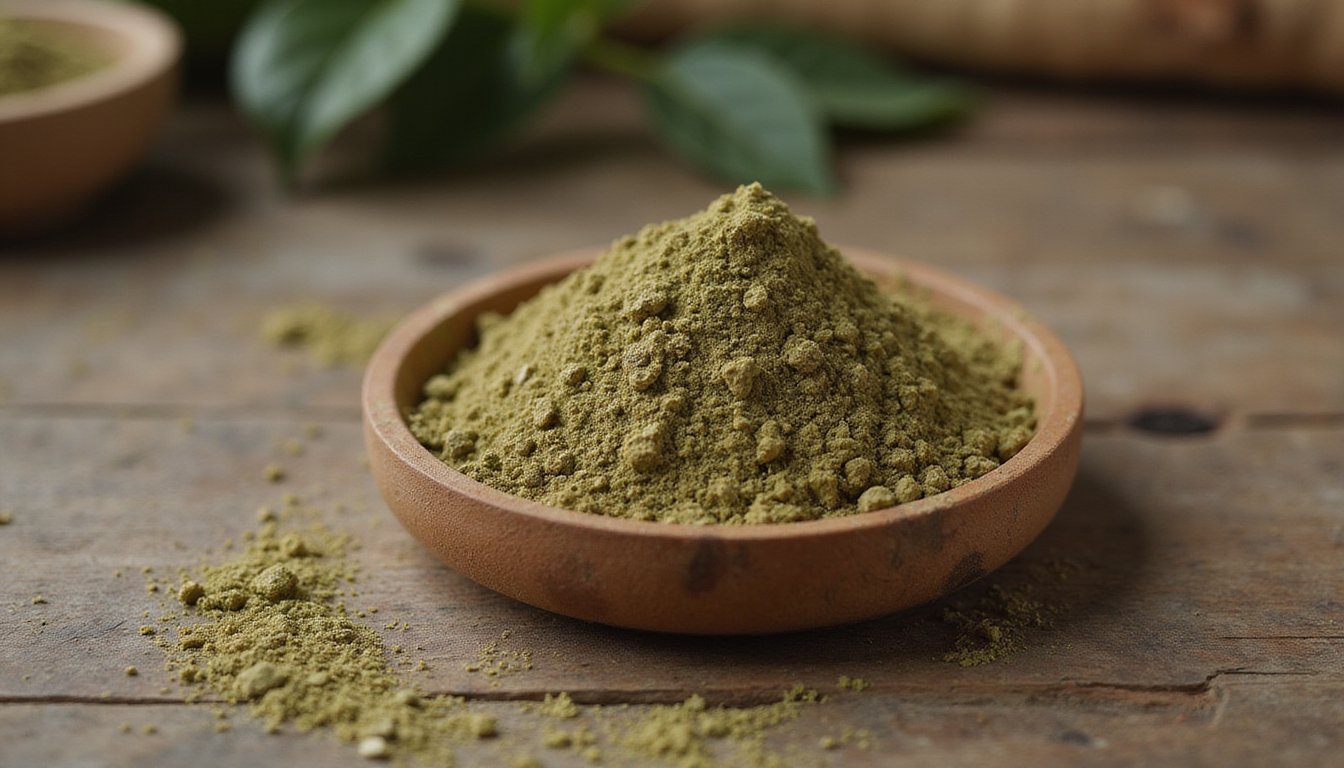
Kratom’s legal status and natural origin lead many people to assume it’s safe, but the pharmacology tells a different story. Kratom’s active alkaloids, mitragynine and 7-hydroxymitragynine, bind to mu-opioid receptors in your brain, producing genuine physical dependence over time. This isn’t habit formation, it’s opioid receptor-mediated addiction.
If you started using kratom for pain relief, anxiety, or as a substitute for other opioids, you’re not alone. These self-medication patterns add layers of complexity that willpower alone can’t resolve. Underlying conditions like depression, trauma, and chronic pain actively sustain use and increase relapse risk. Without early intervention, prolonged kratom use can lead to liver damage, cognitive impairment, and worsening mental health conditions that become increasingly difficult to reverse.
A structured kratom treatment program addresses what drives your dependence, not just the substance itself, giving you a realistic foundation for lasting recovery.
What Kratom Withdrawal Feels Like
Kratom withdrawal produces a cluster of symptoms that mirror opioid withdrawal, muscle pain, gastrointestinal distress, anxiety, insomnia, and intense cravings that drive relapse. Symptoms typically begin within 6 to 24 hours after your last dose, escalate rapidly, and reach peak intensity during days one through three. Understanding this timeline matters because the acute phase is where the risk of returning to use is highest, and it’s where clinical support makes the most measurable difference.
Common Withdrawal Symptoms
Dozens of distinct symptoms can emerge when someone stops using kratom after a period of sustained use, and understanding what to expect makes the process markedly less frightening.
Physical symptoms include muscle aches, joint pain, gastrointestinal distress, temperature dysregulation, and cold-like symptoms such as runny nose and watery eyes. Autonomic responses, increased heart rate, tremors, excessive sweating, and dizziness, reflect the nervous system recalibrating without kratom’s opioid receptor activity.
Psychologically, you may experience anxiety, depression, irritability, intense cravings, and rapid mood shifts. Cognitively, expect difficulty concentrating, mental fog, and impaired decision-making that can persist for days. The overall duration and intensity of these symptoms varies based on usage patterns, including how long and how heavily kratom was consumed.
These symptoms are real, clinically recognized, and treatable. If you’re seeking kratom addiction help in California, Fortify Wellness provides structured, evidence-based care designed around exactly this withdrawal profile. Effective kratom addiction recovery programs are essential for individuals wanting to overcome their dependence. These programs emphasize personalized treatment plans and therapeutic interventions.
Peak Symptom Timeline
Once you stop taking kratom after sustained use, withdrawal symptoms typically surface within 6–24 hours, and they don’t stay mild for long. Most people experience peak intensity around days 2–4, when physical and psychological distress converge at their worst.
During the peak window, you’re likely facing:
- Severe cravings and sleep disruption that make daily functioning feel impossible
- Intensifying mood instability, anxiety, irritability, and depressed mood often escalate together
- Compounding physical symptoms, including gastrointestinal distress, tremors, chills, and body aches
Symptoms typically begin tapering after days 3–4, with noticeable improvement by the end of the first week. However, psychological effects, particularly cravings and low mood, can persist for weeks without structured support. A kratom rehab program provides clinical oversight during this critical window, reducing relapse risk when vulnerability is highest. The impact on kratom addiction recovery can be significant when individuals engage in comprehensive aftercare programs. These programs often include therapy and support groups that help address the psychological aspects of addiction.
How Kratom Addiction Treatment Works in California

Because kratom dependence involves opioid receptor activity with a pharmacological profile distinct from classical opioids, effective treatment requires more than a generic substance-use protocol. At a specialized kratom treatment center like Fortify Wellness, clinical interventions are calibrated to kratom’s specific alkaloid effects rather than borrowed wholesale from standard opioid treatment models. Suboxone treatment success rates for addiction vary based on individual circumstances and the specific substance involved. Research has shown that these rates can improve significantly when combined with comprehensive therapy and support systems.
Your treatment begins with a thorough dual diagnosis evaluation that identifies co-occurring mental health conditions, underlying pain concerns, and trauma history. From there, your clinical team builds an individualized plan that determines your appropriate level of care, PHP, IOP, or OP, based on your dependence severity, withdrawal risk, and use patterns. This assessment-driven approach guarantees that every clinical decision reflects your actual presentation, not assumptions.
Kratom Treatment at Fortify Wellness
At Fortify Wellness, your treatment begins with a thorough clinical assessment that evaluates your kratom use history, mental health, and recovery goals, because effective care starts with understanding exactly what you’re dealing with. From that assessment, our clinical team builds an individualized treatment plan and recommends the level of care that fits your situation, whether that’s PHP, IOP, or outpatient programming. If you’re managing co-occurring conditions like anxiety, depression, or chronic pain alongside kratom dependence, our dual diagnosis approach guarantees both are treated together rather than in isolation.
Individualized Care Plans
Every kratom treatment plan at Fortify Wellness begins with a thorough clinical assessment, not a standardized intake form, but a detailed evaluation of your specific situation. Your daily intake, duration of use, co-occurring mental health conditions, and personal recovery goals all shape the kratom treatment options recommended by your clinical team.
From that assessment, we build a collaborative plan addressing:
- Physical dependence severity, including whether you’re consuming under 20 grams or exceeding 40 grams daily, which directly determines medical intervention intensity
- Psychological factors, underlying conditions sustaining your kratom use, identified through evidence-based screening
- Recovery objectives, specific, measurable goals developed with your care team and adjusted as treatment progresses
Your plan evolves with you, reviewed regularly to guarantee continued effectiveness.
Dual Diagnosis Support
Although kratom dependence is often the presenting concern, it rarely exists in isolation, up to 50% of kratom-dependent individuals report concurrent anxiety or depression, with generalized anxiety disorder, major depressive disorder, PTSD, and ADHD frequently documented in kratom-use surveys. Withdrawal itself can intensify these conditions, creating self-medication cycles that undermine progress.
At Fortify Wellness, our integrated dual diagnosis approach treats both conditions simultaneously rather than sequentially, a model shown to reduce relapse rates by nearly one-third. Board-certified psychiatrists coordinate medication management with therapists, ensuring psychiatric medications and tapering protocols work synergistically. Through CBT, DBT, and structured emotion-regulation training, you’ll address the root causes driving both your kratom use and your mental health symptoms, building a foundation for lasting kratom recovery California residents can sustain.
Which Level of Care Fits Your Recovery?

Because kratom dependence varies widely in severity, duration, and clinical complexity, effective treatment requires matching you to the right level of care, not simply placing everyone into the same program.
Effective kratom treatment means matching care intensity to your actual needs, not forcing a one-size-fits-all approach.
Fortify Wellness offers three distinct levels of kratom outpatient treatment:
- Partial Hospitalization Program (PHP): Structured day treatment five days per week with psychiatric oversight, suited for individuals needing intensive support while living at home.
- Intensive Outpatient Program (IOP): Three to five days per week of individual and group therapy, designed for those with established stability and strong external support systems.
- Outpatient Program (OP): Lower-frequency sessions supporting long-term recovery maintenance and relapse prevention.
Your clinical assessment determines which level addresses your specific needs, ensuring treatment intensity aligns with where you actually are, not where a standardized protocol assumes you should be.
Staying Sober After Kratom Treatment
Completing a treatment program marks a critical change, not the end of recovery, but the point where the skills you’ve built must hold weight in your daily life without the structure of scheduled sessions and clinical oversight. Sustained sobriety depends on active engagement with aftercare, ongoing therapy, peer support, and professional monitoring that adapts as your needs evolve.
Effective kratom addiction treatment in California doesn’t stop at discharge. You’ll need relapse prevention strategies grounded in trigger identification, stress management, and co-occurring condition treatment. Sleep hygiene, nutrition, and community connection aren’t supplementary, they’re structural. Family involvement strengthens accountability. Regular contact with providers enables early intervention when vulnerability increases. Recovery is an extended process, and the work you do after treatment determines its durability.
Reach Out Today and Take Back Your Life
Recovering from Kratom addiction takes more than willpower alone, and the right professional support can change everything about your path forward. At Fortify Wellness in Los Angeles County, our experienced team provides trusted Intensive Outpatient Program care with compassion and a personalized approach. Call +1 (818) 918-9564 today and take the first step toward lasting recovery.
Frequently Asked Questions
Is Kratom Addiction Treatment Covered by Insurance in California?
Yes, most private insurance plans in California cover kratom addiction treatment when it’s deemed medically necessary. Under federal and California parity laws, your insurer must provide substance use disorder benefits on par with medical and surgical coverage. Even if your plan doesn’t explicitly mention kratom, you’re likely eligible for coverage. Our admissions team can verify your benefits and confirm your out-of-pocket costs before you begin treatment at Fortify Wellness.
Can I Keep Working While Attending Kratom Treatment at Fortify Wellness?
Yes, you can keep working while receiving kratom treatment at Fortify Wellness. Our IOP and OP programs are specifically designed to accommodate working professionals, with sessions scheduled during evenings or weekends to align with your work commitments. As you stabilize, we’ll progressively reduce session frequency to support your workforce engagement. You’ll maintain your residence, income stability, and job position throughout your recovery, because effective treatment shouldn’t require sacrificing your career.
How Long Does Kratom Addiction Treatment Typically Last at Fortify Wellness?
Treatment length at Fortify Wellness depends on your specific clinical picture. PHP, IOP, and OP programs typically range from 4 to 12 weeks, though your duration may be shorter or longer based on dependence severity, withdrawal response, and any co-occurring mental health conditions. Your clinical team builds an individualized plan and adjusts your level of care as you progress, because lasting recovery requires more than simply getting through withdrawal.
Does Fortify Wellness Use Medication-Assisted Treatment for Kratom Withdrawal?
Yes, Fortify Wellness offers medication-assisted treatment when it’s clinically appropriate for your kratom withdrawal. Our medical team may prescribe buprenorphine-naloxone, which attaches to the same opioid receptors affected by kratom use, reducing your cravings and physical discomfort during the tapering process. We’ll determine the right dosing based on your specific kratom consumption levels and always combine medication with behavioral therapies like CBT to support your lasting recovery.
Will My Doctor Be Informed if I Enter Kratom Addiction Treatment?
Your doctor won’t be informed unless you authorize it. Federal regulations, including HIPAA and 42 CFR Part 2, strictly protect your treatment records from disclosure to any third party, including other healthcare providers, without your written consent. At Fortify Wellness, you’ll retain full control over who receives information about your treatment. If coordinating with your physician would benefit your care, we’ll discuss that option during intake.