






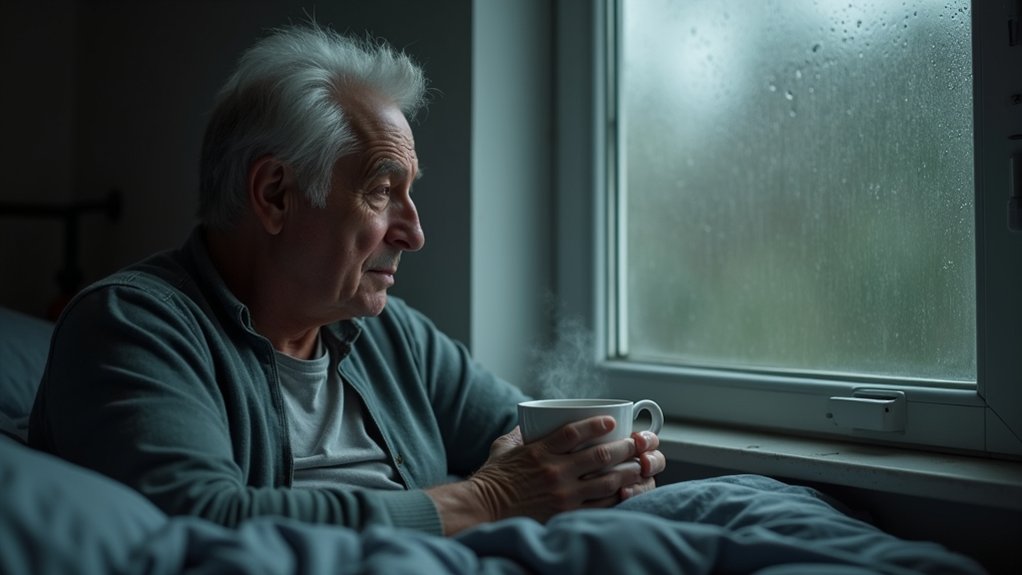
After kratom treatment, your kratom addiction recovery unfolds in stages, acute withdrawal peaks around days two to four, but by months two and three, you’ll notice better sleep, sharper thinking, and stabilizing moods. Physical improvements like clearer skin and restored energy emerge within weeks. Cravings don’t disappear instantly; they fade as therapy retrains thought patterns and daily structure replaces old habits. Aftercare and strong support systems determine whether these gains last, and each phase below breaks down exactly what to expect.
What Kratom Addiction Recovery Looks Like Month by Month

Recovery from kratom addiction doesn’t follow a single dramatic moment, it unfolds gradually across weeks and months, with each phase bringing its own challenges and milestones. In the first month, you’ll navigate acute withdrawal, physical symptoms typically peak around days two through four and resolve within ten days, while psychological symptoms like anxiety and cravings persist longer. During this early phase, many people also experience muscle and bone pain, abdominal cramping, and fever as the body adjusts to functioning without the substance.
By months two and three, sleep normalizes, cognitive clarity returns, and mood stabilizes as your brain chemistry rebalances. Months four through six bring stronger emotional resilience and improved relationships.
Beyond six months, recovery integrates into daily life. Throughout every phase, kratom recovery support, therapy, peer communities, and medication management when appropriate, isn’t optional. It’s what sustains progress when willpower alone can’t.
Physical Changes You’ll Notice in the First Six Months
Your body begins repairing itself in measurable ways once kratom is no longer disrupting its systems. Energy levels and sleep quality, which are among the most stubborn withdrawal symptoms, typically show meaningful improvement within the first month and continue stabilizing over the following months. As your sleep deepens and your energy returns, you’ll also start noticing visible changes, clearer skin, healthier weight, and brighter eyes, that reflect the internal recovery already underway. Because kratom contains compounds that interact with opioid receptors, its removal allows your body’s natural systems to recalibrate, restoring normal hormonal balance and digestive function over time.
Energy and Sleep Restoration
Because kratom affects the brain’s opioid receptors, your body’s sleep-wake cycle and natural energy production take a real hit during active use, and they don’t bounce back overnight. During weeks two through four, sleep patterns begin normalizing and energy gradually returns. You’ll notice modest but consistent improvements, falling asleep gets easier, and daytime fatigue starts lifting. Practicing light exercise and sleep hygiene during this phase can accelerate these physical improvements and help your body recalibrate more effectively.
Visible Appearance Improvements
Beyond how you feel internally, kratom recovery also changes how you look, and those visible improvements often become a powerful source of motivation. Within the first few weeks, you’ll notice reduced facial puffiness, clearer eyes, and improved skin tone as inflammation decreases and circulation normalizes.
By weeks three through six, the changes deepen. Your skin regains elasticity and color. Hair shedding slows as nutritional absorption improves. Nails grow stronger. Bloating resolves as gastrointestinal function stabilizes, revealing your actual body composition.
These aren’t superficial changes, they’re outward evidence that your kratom recovery plan is working at a biological level. Each improvement reflects restored organ function, balanced hormones, and proper nutrient delivery. When you see these changes in the mirror, they reinforce what your body already knows: recovery is real.
When Kratom Cravings and Emotional Lows Finally Fade
Although the worst physical symptoms of kratom withdrawal typically resolve within a week, cravings and emotional lows often follow a slower, less predictable timeline. Acute cravings peak within 24 to 72 hours, but psychological urges can persist for weeks through post-acute withdrawal syndrome. During this phase, mood swings, depression, and emotional flatness intensify as your brain chemistry rebalances.
Your kratom long-term recovery depends on how you navigate this vulnerable window. Sleep normalization, light exercise, and consistent daily routines accelerate emotional stabilization. Ongoing counseling and peer support directly address the resurfacing cravings that characterize PAWS, which can last from one week to several months depending on your use history. The cravings do fade, and structured support makes that timeline shorter and more manageable.
How Therapy Retrains Your Brain After Kratom Addiction
Two of the most effective therapeutic approaches for kratom addiction recovery work on different but complementary levels of your psychology. Cognitive Behavioral Therapy helps you identify the automatic thought patterns that drove your kratom use, teaching you to recognize triggers and consciously choose healthier responses instead of defaulting to substance use. Dialectical Behavior Therapy equips you with practical skills for managing intense emotions, mindfulness, distress tolerance, emotional regulation, and relationship building, so you’re no longer relying on kratom to numb what feels unbearable.
CBT Reshapes Thought Patterns
When kratom addiction takes hold, it doesn’t just create a physical dependence, it rewires the way you think. Cognitive Behavioral Therapy works as a detective mechanism, uncovering the automatic negative thoughts driving your kratom use. Through structured sessions, you’ll learn to catch cognitive distortions like “I need kratom to function” and replace them with evidence-based responses. Participating in a kratom rehab program can provide the essential support needed to break free from addiction. These programs often combine individual therapy, group sessions, and coping strategies to facilitate recovery.
| Addiction Thought Pattern | CBT Intervention | Recovery Outcome |
|---|---|---|
| “I can’t handle stress without kratom. “ | Cognitive restructuring | Internalized coping skills |
| Automatic cravings from triggers | Behavioral substitution training | Healthy response patterns |
| Core beliefs fueling dependence | Systematic belief examination | Rewired neural pathways |
This process forms a critical part of kratom aftercare, building psychological resilience that carries you through long-term recovery with confidence and self-awareness.
DBT Builds Emotional Skills
Where CBT targets the thought patterns behind kratom use, Dialectical Behavior Therapy (DBT) goes after the emotional landscape underneath those thoughts. Originally developed for high-risk behavioral patterns, DBT combines cognitive-behavioral techniques with mindfulness to address the mechanisms driving addiction.
During kratom recovery after rehab, you’ll learn to identify emotional triggers that previously sent you reaching for a dose. DBT teaches urge surfing, letting cravings pass without reacting, alongside sensory-based distraction strategies like temperature changes or cognitive tasks that interrupt the cycle.
You’ll practice opposite action, deliberately countering isolation urges by participating in group activities. The “Check the Facts” method helps you reality-test catastrophic thinking before it escalates. These aren’t abstract concepts, they’re concrete tools you’ll deploy during the high-risk moments that define early recovery.
Rebuilding Relationships After Kratom Addiction

Because kratom addiction often develops gradually, sometimes through self-medication that initially feels productive, the damage it causes to relationships can be just as gradual and just as difficult to recognize from the inside. Trust erodes quietly. Communication patterns break down. Loved ones pull away before you fully understand why.
Recovery reverses this trajectory, but not automatically. You’ll need to address the shame that keeps you from honest conversation and develop consistency that rebuilds credibility over time. Family therapy helps repair damaged communication frameworks, while individual counseling strengthens your capacity for genuine vulnerability. Kratom treatment alumni often find that reconnecting with their identity outside addiction becomes the driving force behind relationship healing, replacing isolation with accountability, transparency, and authentic engagement with the people who matter most.
Daily Habits That Keep Kratom Recovery on Track
Recovery doesn’t survive on willpower alone, it’s sustained by the daily habits you build once the intensity of formal treatment fades. In kratom addiction recovery, structure replaces the chaos that dependence created. Light exercise, consistent sleep routines, proper hydration, and regular meals stabilize your body while it continues healing. Kratom recovery strategies in California emphasize the importance of seeking support from local community resources. Many individuals find strength in group meetings that focus on shared experiences and accountability.
Life after treatment requires intentional mental health practices too. Mindfulness, journaling, and time in nature reduce cravings and manage anxiety without reaching for a substance. Regular counseling sessions keep you accountable and help you navigate triggers before they escalate.
You’ll also need purpose, work, volunteering, hobbies, social connection. These aren’t extras. They’re the framework that holds recovery together when motivation dips and old patterns try to resurface.
Why Aftercare Decides Your Long-Term Kratom Recovery
Those daily habits form the backbone of your recovery, but they need a larger support system to hold them in place. Aftercare isn’t optional, it’s what determines whether life after kratom treatment leads to lasting change or gradual regression. Kratom addiction treatment challenges can often complicate the recovery journey. Recognizing these challenges early can significantly improve the chances of successful rehabilitation.
Your aftercare plan should include:
- Ongoing therapy addressing the anxiety, depression, or pain that drove kratom use in the first place
- Support group engagement through 12-step programs, SMART Recovery, or peer-led communities that provide accountability
- Regular medical follow-ups monitor your progress and manage any Post-Acute Withdrawal Syndrome symptoms
Without these structures, you’re relying on willpower alone, and willpower fades under stress. A personalized relapse prevention plan identifies your specific triggers and establishes crisis protocols before you need them. Aftercare transforms short-term treatment gains into durable recovery.
Reach Out Today and Take Back Your Life
Recovering from Kratom addiction takes more than willpower alone, and the right professional support can change everything about your path forward. At Fortify Wellness in Los Angeles County, our experienced team provides trusted Intensive Outpatient Program care with compassion and a personalized approach. Call +1 (818) 918-9564 today and take the first step toward lasting recovery.
Frequently Asked Questions
Can I Still Use Kratom Occasionally After Completing Addiction Treatment?
If you’ve completed treatment for kratom addiction, returning to occasional use isn’t recommended. Addiction involves a loss of control that makes “moderate” use extremely risky, your brain’s established patterns can quickly reactivate. You’ll also risk masking the underlying conditions you worked hard to address in treatment. Your recovery plan’s coping strategies are built around abstinence, not moderation. If you’re experiencing cravings, reach out to your support team for guidance.
Will My Employer Find Out I Received Kratom Addiction Treatment?
No, your employer won’t find out unless you choose to tell them. HIPAA and federal confidentiality laws prohibit treatment providers and insurers from sharing your information without written consent. Your employer can’t access specific details about substance use disorder treatment through insurance claims either. If you need time off, you can provide a general medical leave certification without disclosing the reason. You’re in complete control of what you share.
What Happens if I Relapse After Finishing My Kratom Recovery Program?
If you relapse after completing your kratom recovery program, it doesn’t mean treatment failed, it means your recovery plan needs adjustment. Relapse is a recognized part of many recovery journeys. Fortify Wellness’s alumni remain connected to ongoing support resources, and our clinical team is available to help you navigate challenges. Early intervention, whether through resumed therapy, medication management, or stepped-up care, can prevent a brief setback from becoming a prolonged return to use.
How Do I Explain My Kratom Addiction Recovery to New People?
You don’t owe everyone your full story. Share what feels right with people who’ve earned your trust. It helps to be direct: kratom produces real opioid-like effects, and recovery from it is serious work. Many people won’t understand that initially, and that’s okay. You’re not educating the world, you’re protecting your recovery. At Fortify Wellness, we help you build the confidence to navigate these conversations on your own terms.
Is Kratom Addiction Recovery Different if I Used It for Chronic Pain?
Yes, your recovery path looks different because you’ll need a parallel plan for managing the pain that led you to kratom in the first place. Without addressing that underlying condition, pain flare-ups become high-risk relapse triggers. Fortify Wellness builds individualized protocols that incorporate alternative pain management, like CBT, physical therapy, and mindfulness, alongside addiction treatment, so you’re not left choosing between sobriety and suffering when treatment ends.