







Setting boundaries with an addict you love means deciding in advance which behaviors you won’t accept, like substance use in your home or lending money. Raise each limit when they’re sober and calm. Use brief I statements and name the consequence you’re ready to enforce. If they push back, calmly repeat the boundary instead of renegotiating. Boundaries protect your well-being without abandoning them. Below, you’ll see how to hold firm when they’re tested.
Key Takeaways
- Decide specific, enforceable limits in advance, such as no substance use at home or no lending money, along with clear consequences.
- Remember that boundaries protect your safety and well-being rather than punishing, controlling, or abandoning the person you love.
- Communicate boundaries briefly using calm I statements when your loved one is sober, avoiding arguments, threats, or long explanations.
- When boundaries are tested, calmly repeat the limit and follow through with the stated consequence instead of renegotiating.
- Avoid enabling by not covering responsibilities or giving cash, while offering recovery-focused support like finding treatment or rides to appointments.
How do you set boundaries with an addict you love

Set boundaries with an addict you love by deciding in advance which behaviors you’ll accept and which you won’t, remembering that boundaries protect your safety and well-being rather than punish or control the other person. Setting them can feel unkind, but make each limit specific, such as no substance use in your home or no lending money. Then name the action you’ll take if your loved one crosses it, like ending the conversation or asking them to leave. Share your boundaries when they’re sober and things feel calm, using brief I statements focused on behavior. Only set limits you can enforce consistently, because empty threats weaken your credibility. In a crisis, don’t renegotiate. Calmly repeat the boundary and then follow through every time. Individuals experiencing PTSD and addiction may face emotional challenges that affect their relationships. Recognizing these struggles can encourage greater empathy, strengthen support, and create a foundation for healing and recovery.
Why boundaries protect you without abandoning them
Boundaries protect your safety and well-being without abandoning your loved one, because they don’t punish or control the person you love. Following through on a boundary can feel like turning your back on someone you love, but it’s actually the opposite. When you stop covering missed responsibilities or giving cash, you let natural consequences reach the person who needs to face them. That’s not abandonment. You can still offer support tied to recovery, like helping find treatment or driving them to an appointment. You’re separating compassion for the person from approval of harmful behavior. Boundaries also keep you steady enough to stay involved. When you protect your finances, home, and emotional health, you avoid burnout and remain a consistent, reliable presence they can turn to.
What healthy boundaries look like in practice

Healthy boundaries in practice are clear limits you decide on in advance, not in the heat of a crisis, and back up with actions you control. Decide what you will and won’t accept, then name the limit clearly: “I won’t lend money,” or “No drugs or alcohol in this home.” Pair each limit with an action you control, such as ending a conversation or asking your loved one to leave. Only set boundaries you’re ready to enforce consistently.
Raise these limits when your loved one is sober and calm. Use brief I statements about specific behavior, and don’t argue during intoxication. If a boundary is crossed, follow through without renegotiating.
Support still matters: Instead of cash, offer a ride to appointments or help finding treatment. You’re protecting your well-being, not punishing someone you love.
How to communicate a boundary clearly
State your boundary briefly and directly during a calm moment when your loved one is sober. Focus on specific, observable behavior and its impact, using I statements rather than accusations. For example: “I won’t lend you money anymore. If you ask, I’ll end the conversation.” Name the limit and the consequence together, and only state consequences you’re ready to follow through on. The way you deliver a boundary shapes how it’s heard. Bipolar disorder and addiction can create challenges when establishing healthy boundaries. Understanding both conditions can improve communication, encourage supportive interactions, and help maintain limits that protect everyone’s well-being during recovery.
Don’t argue, threaten, or explain at length, especially if your loved one is intoxicated. If they push back, calmly repeat the boundary instead of renegotiating it in the heat of the moment. Consistency shows you mean what you say, and it separates your love for them from their harmful behavior.
How boundaries compare to enabling and detaching
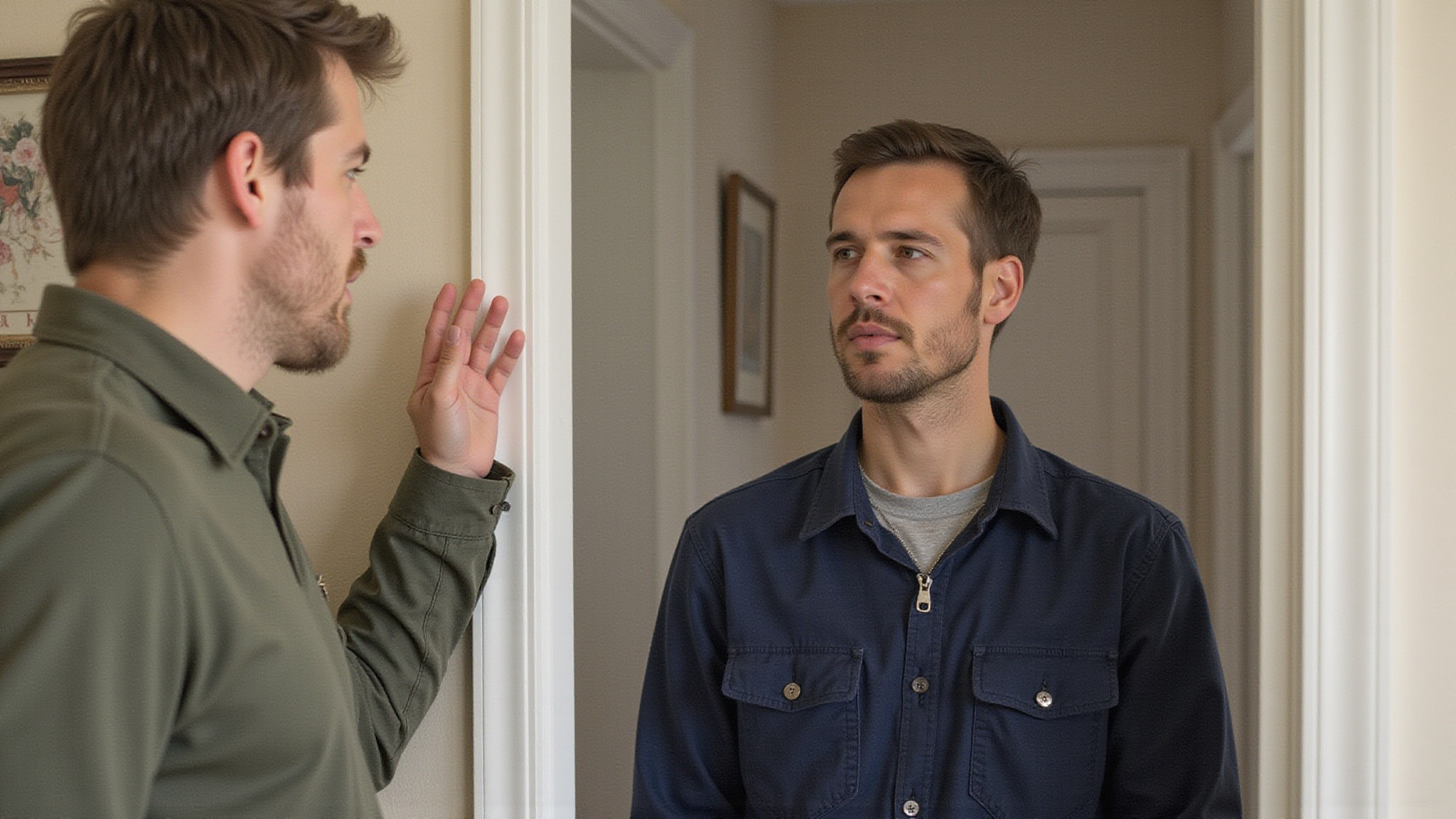
Boundaries protect your safety while keeping connection, enabling shields your loved one from the consequences of substance use, and detaching protects you but removes support. Each shapes how you respond to your loved one’s substance use and how well you protect your own well-being.
| Approach | What It Looks Like | Likely Effect |
|---|---|---|
| Boundaries | Saying no to cash, offering a ride to treatment | Protects safety while keeping connection |
| Enabling | Covering missed shifts, paying debts | Shields them from consequences of use |
| Detaching | Withdrawing completely, stopping contact | Protects you but removes support |
Boundaries let you stay compassionate without approving harmful behavior. You decide what you’ll accept, then follow through consistently. If detaching feels necessary for your safety, that’s valid. Counseling or peer groups can help you find a balance that protects both you and your relationship.
What to do when boundaries are tested
Stay calm and repeat the boundary instead of renegotiating it in the moment. Use brief I statements, such as “I won’t lend money, but I’ll drive you to your appointment.” If your loved one is intoxicated, don’t argue. Wait until they’re sober and things are calmer.
Follow through with the consequence you stated, whether that’s ending the conversation or asking them to leave. Consistency shows your limits are real. Don’t take promises alone as proof of change. Watch their actions instead.
If they threaten you, become violent, or create unsafe conditions, leave or call emergency services right away. Keep a safety plan with trusted contacts and a place to go. For your own support, consider counseling or peer groups.
How Fortify Wellness helps families learn and hold boundaries
Fortify Wellness helps families turn good intentions into clear, enforceable limits, even though holding a boundary under pressure is hard, especially with someone you love, and you don’t have to figure it out alone. You’ll work through which actions are acceptable, what consequence follows a crossed boundary, and how to state it calmly in brief I statements. You’ll also practice repeating that boundary during a crisis instead of renegotiating it.
Support extends beyond conversations. You can build a safety plan, secure finances and medications, prepare for overdose with naloxone, and offer recovery-focused help without enabling. Just as important, you’ll get space for your own well-being through counseling and connection with others who understand. If your loved one is ready for treatment, our team can help you find the right next step. Is addiction a disease explores how substance use disorders affect individuals and their loved ones. Understanding addiction’s complexities can foster empathy, strengthen support, and help families navigate the recovery process.
Conclusion
Setting boundaries with someone you love in addiction is not about punishment or giving up on them. It is about deciding what you can accept, saying it clearly when they are sober, and following through every time it is tested. Boundaries protect your well-being and keep you steady enough to stay a reliable presence in their life. You don’t have to hold them perfectly, and you don’t have to hold them alone. Managing relationships involving ADHD and addiction requires understanding how both conditions affect behavior and daily life. Learning about their connection can help you offer meaningful support while maintaining healthy personal boundaries.
Get Family Support While Setting Boundaries
Setting boundaries with a loved one in addiction is one of the hardest emotional challenges, and professional family therapy makes it possible. Fortify Wellness in Granada Hills, CA provides family-inclusive Outpatient Program care with trauma therapy and family support. Check your insurance or Call +1 (818) 918-9564 today.
Frequently Asked Questions
What Are the Warning Signs of an Opioid Overdose?
Watch for these opioid overdose signs: you can’t wake the person, their breathing is slow or shallow, you hear gurgling or choking sounds, or their lips or nails look discolored. If you suspect an overdose, give naloxone if you have it, call 911, support their breathing, and place them on their side. Stay until help arrives. You may need more than one naloxone dose. You’re doing something loving by preparing.
Where Can I Buy Naloxone, and Do I Need a Prescription?
You don’t need a prescription. Naloxone’s available over the counter, so you can buy the nasal spray at most pharmacies, many grocery and big-box stores, and online retailers. Local health departments and harm-reduction programs often hand it out free. Keep it somewhere you and others can reach quickly, and learn how to use it. Remember, you may need more than one dose. Call 911, because naloxone can wear off quickly.
How Do I Protect My Children When a Family Member Uses Substances?
Set clear household rules about substances, visitors, driving, and childcare, and don’t let anyone who’s intoxicated drive your kids or supervise them. Lock up medications, cash, and important documents. Build a safety plan with trusted contacts and a place to go. If threats or violence occur, leave and call 911. Keep naloxone on hand, and seek counseling or peer support so you can protect your children with steady, compassionate care.
Is There a Free Helpline for Finding Substance-Use Treatment?
Yes. You can call SAMHSA’s National Helpline at 1-800-662-HELP (4357). It’s free, confidential, and available 24/7, and the CDC also points people to it for treatment referrals. You can call yourself to learn options, then share them with your loved one. Encourage them to talk with a health professional too. Remember, you can’t force recovery, but you can offer practical help while keeping your boundaries and safety plan steady.
Which Support Groups Help Family Members of People With Addiction?
You can find support through peer groups like Al-Anon, Nar-Anon, and SMART Recovery Family & Friends, which connect you with others who understand addiction’s toll on families. A counselor or trusted health professional can also guide you. If you’re unsure where to start, a counselor or trusted health professional can point you toward the right group. Keep your own routines and relationships going. Caring for yourself helps you support your loved one sustainably and safely.