







Unlike residential rehab’s 24/7 immersive environment, PHP and IOP treat your 7oh addiction while you remain in your daily surroundings. PHP offers 20, 30 hours of weekly structured therapy, including dual diagnosis care and medication management, without overnight stays. IOP provides 9, 20 hours weekly, letting you practice coping strategies in real time around work and family. Both levels build recovery skills where your triggers actually live, and the differences in structure, cost, and intensity below can help you find your best fit.
What Is 7oh and Why Is It Addictive?
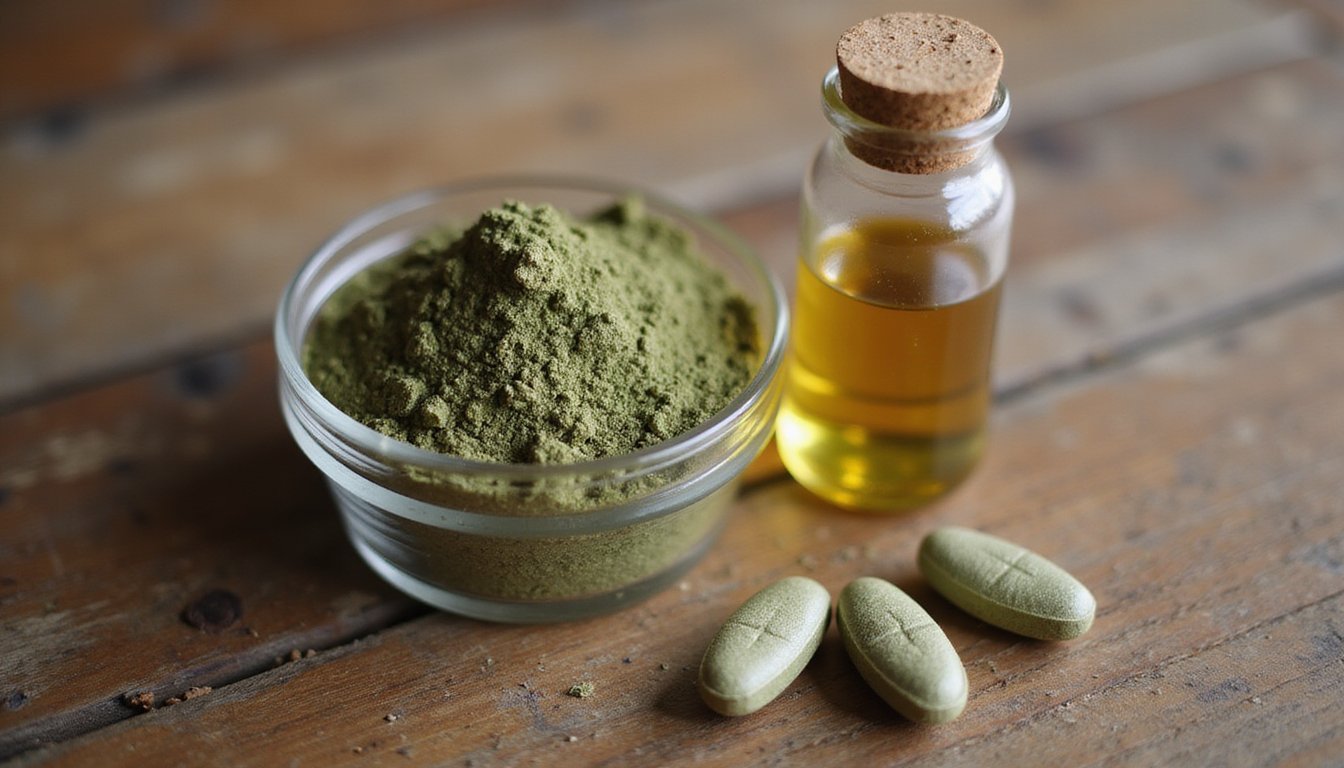
Although 7-Hydroxymitragynine (7-OH) occurs naturally in trace amounts within the kratom plant, the concentrated products sold as gummies, candies, powders, and drinks bear little resemblance to raw kratom leaf. These engineered formulations bind to your mu-opioid receptors with up to 13 times morphine’s strength, triggering a dopamine surge that your brain quickly associates with pleasure. Withdrawal symptoms can emerge rapidly, typically peaking between 24 and 72 hours after the last dose, underscoring how quickly physical dependence takes hold.
With repeated use, your brain reduces its natural dopamine production, building tolerance and driving you toward higher doses. This cycle accelerates 7oh addiction faster than many traditional opioids. Whether you’re evaluating php vs inpatient 7oh treatment or exploring an iop 7oh program, understanding this potent mechanism helps you recognize why structured, evidence-based clinical intervention, not willpower alone, addresses the neurological roots of dependence.
Residential vs. PHP vs. IOP for 7oh Recovery
Because 7oh binds to opioid receptors with exceptional potency, choosing the right level of care isn’t just a preference, it’s a clinical decision that directly shapes your recovery trajectory. Understanding the levels of care 7oh addiction requires helps you match treatment intensity to your clinical profile. Treatment options for 7oh addiction can vary greatly depending on individual needs and circumstances. Engaging with a healthcare professional who specializes in addiction can provide tailored recommendations that enhance recovery outcomes.
Choosing the right level of care for 7oh addiction is a clinical decision that shapes your entire recovery.
- Residential treatment provides 24/7 supervision for severe dependence, acute withdrawal, or unstable living situations, eliminating environmental triggers entirely.
- PHP delivers 20, 30 hours of structured weekly programming while you return home nightly, offering near-residential intensity with greater autonomy.
- IOP provides 9, 20 hours weekly, allowing you to maintain work and family responsibilities during active recovery.
Each php iop program serves a distinct clinical function. PHP reduces substance use by 60% at six months compared to IOP’s 50%, making accurate placement essential. Both PHP and IOP incorporate individual counseling, group therapy, and family therapy, but PHP adds regular medical monitoring for withdrawal symptoms and co-occurring conditions that demand closer clinical oversight. PHP programs for addiction recovery are designed to offer comprehensive support during the vital early stages of treatment. They can significantly enhance the chances of long-term sobriety by addressing underlying psychological issues.
What Residential Rehab Looks Like for 7oh

Residential rehab for 7oh dependence places you in a fully immersive treatment environment where you’re separated from daily triggers and supported by round-the-clock medical and clinical supervision. Your days follow a structured recovery schedule that includes individual therapy, group counseling, mindfulness-based relapse prevention, and educational workshops designed to help you understand how dependence developed. This level of care is most appropriate if you’re managing severe dependence, an unstable home environment, or previous outpatient attempts that didn’t provide enough support to sustain your recovery. Because 7oh acts on opioid receptors with higher potency than morphine, residential settings provide the intensive medical oversight needed to safely manage withdrawal and stabilize your condition.
Full Immersion Treatment
For people with severe 7oh dependence, a full immersion residential program provides the most structured and clinically intensive path to recovery. You’ll live onsite for 30, 90 days, receiving 24-hour supervision and evidence-based therapies including CBT, DBT, and mindfulness-based relapse prevention.
Residential programs typically include:
- Medically supervised detox lasting 1, 2 weeks to safely manage withdrawal from 7oh’s potent opioid-like effects
- Daily therapeutic programming combining individual therapy, group counseling, and educational workshops on triggers and coping skills
- Discharge planning and aftercare coordination connecting you to sober living or outpatient support
When choosing 7oh treatment level, understanding the php iop vs residential distinction matters. Among 7oh treatment options comparison, residential care fits those needing complete environmental separation to stabilize.
Round-The-Clock Supervision
When you enter a residential program for 7-OH dependence, round-the-clock supervision isn’t just a feature, it’s the clinical backbone that holds your early recovery together. Constant on-site staff availability means medical professionals can intervene immediately when cravings spike, withdrawal symptoms intensify, or emotional crises emerge, especially during overnight hours when sleep disruptions are common.
This level of oversight directly addresses 7-OH’s rapid dependence potential. Staff conduct regular health assessments, administer comfort medications, and provide nighttime counseling when distressing thoughts surface. It’s a key distinction in the php iop vs residential comparison, residential care eliminates unsupervised gaps entirely. However, not everyone requires this intensity. If your clinical assessment indicates stability, a 7oh iop program may deliver comparable outcomes with greater flexibility.
Structured Daily Recovery
Beyond that constant clinical oversight, what makes residential rehab effective for 7-OH dependence is how each day is deliberately shaped to support your body and mind as they recalibrate. The daily structure removes decision fatigue during withdrawal, replacing chaos with predictable rhythms that help your nervous system stabilize.
A typical residential day includes:
- Evidence-based therapy, individual CBT, DBT, or MI sessions paced to your clinical readiness
- Group counseling and psychoeducation, workshops addressing dependence patterns and relapse prevention
- Holistic integration, yoga, mindfulness, and breathwork supporting emotional and physical regulation
Recovery planning begins once your body stabilizes, mapping triggers and building personalized aftercare structures. When comparing php iop vs residential, this immersive environment offers something outpatient can’t, uninterrupted focus during your most vulnerable phase.
How PHP Works for 7oh Without Overnight Stays

Although residential rehab provides round-the-clock supervision, PHP delivers the same clinical intensity, six or more hours of structured daily programming, while letting you return home each evening. When comparing PHP, IOP vs residential, PHP bridges the gap by offering individual therapy, group sessions, medication management, and relapse prevention education without requiring overnight stays.
A 7oh PHP program specifically addresses opioid-like withdrawal patterns, tailoring MAT protocols to reduce cravings while stabilizing your emotional health after kratom extract detox. You’ll build daily coping strategies in a controlled clinical setting alongside co-occurring mental health treatment.
The benefits without overnight stays are significant: you maintain home routines, practice real-life recovery skills nightly, and access holistic therapies like meditation and yoga, all at lower cost than residential care.
How IOP Fits 7oh Treatment Around Daily Life
When comparing PHP, IOP vs residential 7oh treatment, IOP offers distinct advantages:
- Evening and telehealth formats accommodate work schedules, reducing the disruption that makes 7oh outpatient vs residential decisions difficult
- Real-time trigger management lets you practice coping strategies in the environment where dependence developed
- Co-occurring condition support addresses anxiety, depression, or trauma alongside substance use treatment
At Fortify Wellness PHP IOP, your care team customizes session timing, modality, and therapeutic focus so recovery integrates with, not replaces, your daily responsibilities.
Therapy Hours and Daily Schedules Compared
PHP’s structured daily programming includes close medical oversight suited for stabilization, while IOP’s part-time format supports patients progressing toward greater independence. Your clinical assessment determines which schedule provides adequate therapeutic engagement without disrupting the daily functioning that sustains long-term recovery.
Which Program Fits Your 7oh Addiction Severity?
Your 7oh addiction severity directly determines which level of care will give you the best clinical outcomes, and getting that match right matters more than choosing the most intensive option available. Whether you’re managing mild dependence alongside daily responsibilities or maneuvering through severe withdrawal that demands structured daily programming, the right program meets you exactly where you are clinically. Understanding how to assess your needs, align them with PHP or IOP programming, and step down between levels as you progress guarantees that your treatment plan evolves with your recovery.
Assessing Your Addiction Severity
How do you know which level of care matches your specific situation? A clinical assessment evaluates several key factors that determine your appropriate treatment intensity:
- Dependency severity and withdrawal risk, the extent of your 7oh use patterns and whether you’ll need daily medical oversight during stabilization
- Co-occurring mental health conditions, anxiety, depression, or trauma disorders that require integrated psychiatric support alongside addiction treatment
- Environmental stability, whether your home environment supports recovery or contains triggers that compromise outpatient success
Your assessment also considers previous treatment history, current motivation level, and daily responsibilities. If you’ve attempted outpatient care unsuccessfully, that signals a need for higher-intensity programming. Fortify Wellness conducts thorough evaluations to match you with the right starting level, PHP, IOP, or OP.
Matching Treatment To Needs
Once your clinical assessment identifies your addiction severity, co-occurring conditions, and environmental factors, the next step is matching those findings to the right program structure. If you’re managing severe 7oh dependence, PHP delivers 20, 30 hours of weekly treatment and achieves roughly 60% substance use reduction after six months. It’s particularly effective if you’re shifting from detox or managing unstable co-occurring disorders.
If your dependence is moderate and you’re maintaining daily responsibilities, IOP offers 9, 20 hours weekly while preserving your work, school, and family commitments. Strong home support strengthens IOP outcomes considerably.
Residential care remains appropriate when you’re facing multi-substance dependence or lack of environmental stability. Your clinician will recommend the level that addresses your specific risk profile.
Stepping Down Between Programs
Because addiction recovery rarely follows a single fixed path, most effective treatment plans involve stepping down through progressively less intensive levels of care as your condition stabilizes. Each change reflects measurable clinical progress rather than an arbitrary timeline.
For 7oh addiction, the typical step-down progression looks like this:
- Residential to PHP: You’ve completed detox and no longer need 24/7 supervision but still require 20, 30 hours of weekly structured treatment.
- PHP to IOP: You’ve demonstrated stability in PHP and can manage 9, 20 weekly hours while reintegrating into daily responsibilities.
- IOP to outpatient: You’ve built reliable coping skills and need only periodic clinical support.
Your clinician evaluates home stability, relapse history, and co-occurring conditions to determine when you’re ready for each change.
Mental Health and 7oh: Dual Diagnosis at Each Level
Many people who develop 7oh dependence are also managing conditions like depression, anxiety, PTSD, or ADHD, and treating one without addressing the other rarely produces lasting results. This is why dual diagnosis care matters at every level. Effective treatment programs, including 7oh addiction recovery, often incorporate therapeutic techniques that address both mental health issues and substance dependence.
In PHP, you’ll receive five to eight hours of daily programming that integrates substance use and mental health treatment simultaneously. This includes psychiatric evaluations, medication management, individual therapy, and group sessions addressing the interplay between your addiction and co-occurring conditions.
IOP maintains this dual focus through three to four hours of programming, three to five days per week. You’ll build skills for managing both conditions while applying them in real time at home and work. Evidence-based approaches treat addiction and mental health concurrently, because they don’t exist independently.
Stepping Down From Detox Through PHP to IOP
Recovery from 7-OH dependence follows a structured clinical pathway, moving from medically supervised detox through PHP and into IOP, with each shift calibrated to your demonstrated stability and readiness. As you step down from detox into PHP, you’ll maintain intensive therapeutic engagement during the day while practicing newly developed coping strategies in your home environment each evening. Your progression from PHP to IOP then builds on that foundation, gradually increasing your autonomy as you reintegrate work, family, and daily responsibilities into a sustainable recovery framework.
Detox To PHP Transition
Once the acute withdrawal phase stabilizes, typically within three to seven days of medically managed detox, the shift to PHP represents a critical change from medical management to active therapeutic engagement. Your clinical team coordinates this step-down within 24-48 hours of stabilization, ensuring no treatment gaps that could trigger relapse.
During this shift, you’ll experience key changes in your care structure:
- Therapeutic intensity increases from primarily medical monitoring to 20-30 hours weekly of evidence-based modalities like CBT, DBT, and trauma-informed care
- Multidisciplinary teams expand to include therapists, counselors, and peer specialists alongside medical providers
- Dual diagnosis treatment begins by addressing co-occurring mental health disorders that couldn’t be effectively treated during acute withdrawal
This coordinated handoff preserves your recovery momentum when you’re most vulnerable.
PHP To IOP Progression
As your PHP programming strengthens coping skills and stabilizes co-occurring mental health symptoms, your clinical team begins evaluating whether you’re ready to step down to IOP, a progression that reduces structured treatment from 20, 30 hours weekly to 9, 19 hours while preserving therapeutic continuity.
This step-down lets you apply recovery skills in real-life situations while maintaining clinical support. IOP sessions are typically split into three-hour blocks, three times weekly minimum, allowing you to resume work, school, or family responsibilities. Your clinician assesses factors like relapse history, home stability, and support systems to determine timing. Research shows both PHP and IOP achieve comparable overall effectiveness, the distinction lies in matching intensity to your current clinical needs. This graduated approach encourages independence while reducing relapse risk.
Building Independent Recovery
Building independent recovery doesn’t happen in a single leap, it unfolds through a deliberate clinical progression that moves you from the highest level of support toward greater self-sufficiency at each stage.
Each step down reinforces skills you’ve already built while introducing real-world application:
- PHP provides educational workshops on coping strategies and relapse prevention immediately after detox
- IOP incorporates contingency management with structured incentives, reinforcing sustained abstinence
- Both levels integrate family systems therapy to strengthen your support network for long-term stability
Holistic modalities like yoga and meditation during PHP foster emotional self-reliance, while medication-assisted treatment supports neurological stability across both levels. This progression guarantees you’re not just maintaining sobriety, you’re building the internal resources to sustain it independently.
Insurance, Cost, and Practical Factors to Consider
Beyond clinical considerations, the financial and logistical realities of treatment often determine which level of care you can realistically sustain, and sustainability matters because premature dropout due to cost or scheduling conflicts undermines even the best clinical plan.
| Factor | PHP | IOP |
|---|---|---|
| Weekly Hours | 20, 30 hours | 9, 20 hours |
| Average Cost | $10,000, $20,000 | $5,000, $15,000 |
| Work Compatibility | Limited | High |
Most insurance plans classify PHP and IOP as outpatient services, meaning lower copays and fewer prior authorization barriers than residential programs. You’ll also maintain income during IOP, offsetting treatment expenses. Fortify Wellness verifies your insurance coverage before admission so you can plan accordingly and commit fully to your recovery.
Reach Out Now and Reclaim Your Future
If substance use is affecting your daily life, your mental health, or the people you love, the right team can help you turn things around. At Fortify Wellness in Los Angeles County, our caring professionals offer dependable Partial Hospitalization Program care designed to support every step of your healing. Call +1 (818) 918-9564 today and start building a stronger, healthier tomorrow.
Frequently Asked Questions
Can I Switch Between PHP and IOP During My 7oh Treatment?
Yes, you can switch between PHP and IOP during your 7oh treatment. Most recovery paths include a structured progression from PHP to IOP as your symptoms stabilize and cravings decrease. Your clinical team will assess your progress, home support, and daily responsibilities to determine when you’re ready to step down. At Fortify Wellness, we’ll customize your plan and guarantee seamless medical monitoring throughout each shift to support your sustained recovery.
How Long Does 7oh Addiction Treatment Typically Last at Each Level?
PHP typically runs a few weeks to a few months, with 20, 30 hours of structured programming weekly. IOP ranges from several weeks to several months, involving 9, 20 hours weekly on a more flexible schedule. Residential rehab usually lasts 30, 90 days with round-the-clock care. Your treatment team adjusts duration based on your clinical progress. At Fortify Wellness, you’ll step through these levels as your recovery stabilizes.
Will I Lose My Job While Attending a PHP Program?
PHP’s daily time commitment, typically 20, 30 hours per week, can conflict with full-time employment if your employer can’t accommodate the schedule. That’s a real concern, and you’re right to think about it. If maintaining your job is essential, IOP may offer the clinical support you need with a more work-compatible schedule. Fortify Wellness can help you assess which level balances your recovery needs with your employment stability.
Do PHP and IOP Programs Require Drug Testing for 7oh?
Yes, most PHP and IOP programs include drug testing as a standard part of your treatment plan. Testing helps your clinical team monitor your progress, adjust medications if needed, and reinforce accountability throughout recovery. PHP programs typically test more frequently due to their intensive daily structure, while IOP testing aligns with your session schedule. You shouldn’t view testing as punitive, it’s a clinical tool that supports your long-term sobriety goals.
Can Family Members Participate in PHP or IOP Treatment Sessions?
Yes, both PHP and IOP programs include family participation as a core component of treatment. You’ll find family support sessions, workshops, and recovery planning built into the programming at each level. Because you’re returning home each evening, your family stays actively engaged in your healing process, something residential rehab can’t offer as flexibly. Fortify Wellness integrates family involvement throughout treatment, strengthening your support system and improving long-term recovery outcomes.