







7-OH binds to mu, delta, and kappa opioid receptors with up to 22 times morphine’s potency, meaning your addiction and co-occurring mental health symptoms share the same neurological disruption. Fortify Wellness treats both simultaneously through integrated medication-assisted treatment, psychiatric care, and evidence-based therapies like CBT and DBT, all managed by a unified care team. This approach prevents the fragmented treatment gaps that typically drive relapse. Below, you’ll find exactly how each component of this model supports lasting recovery.
What Is 7-OH Addiction and Why Is It So Dangerous?
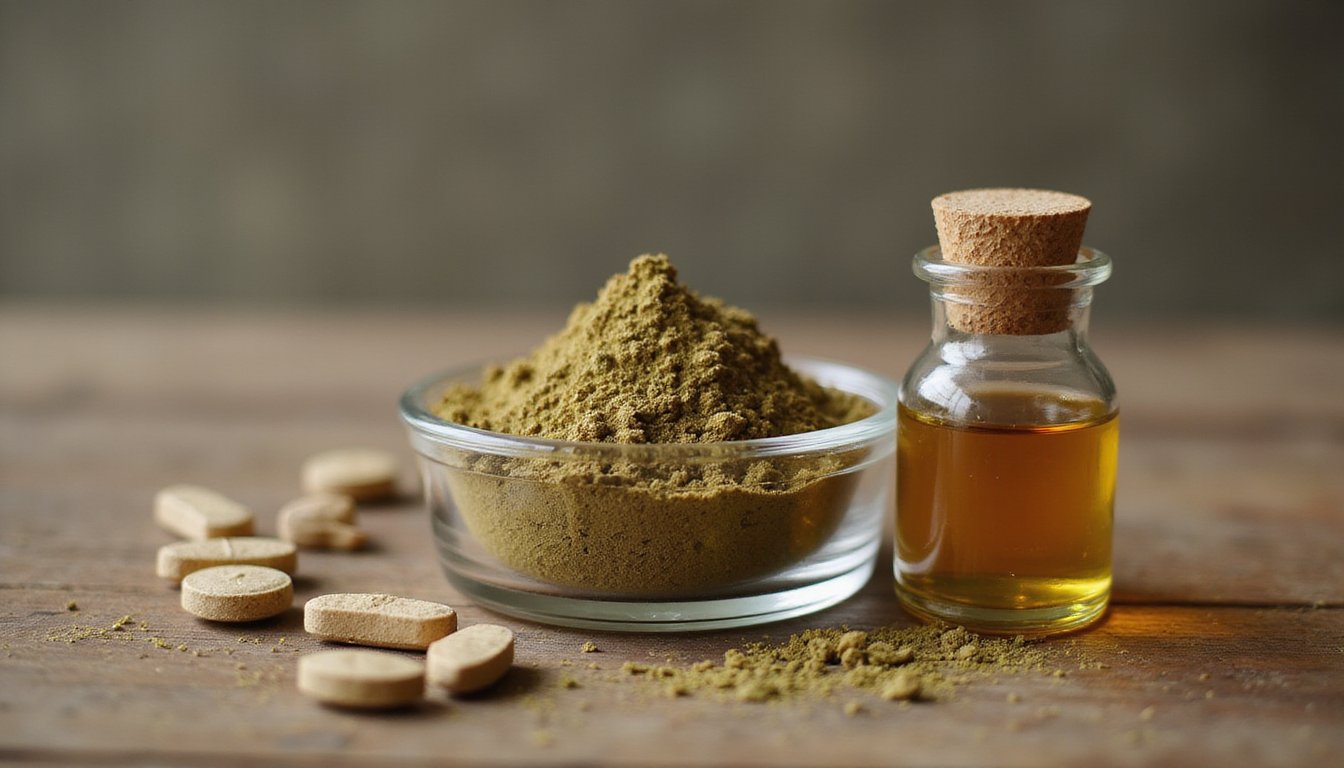
When most people encounter 7-hydroxymitragynine, commonly called 7-OH, they don’t realize they’re using one of the most potent opioid receptor agonists available outside a pharmacy. With up to 22 times stronger binding affinity than morphine, 7-OH rapidly rewires your brain’s reward system. Tolerance builds within weeks, and full dependence can establish in one to three months. The connection between 7oh addiction mental health deterioration is direct, self-medication 7oh use temporarily suppresses anxiety or depression while worsening both conditions neurobiologically over time. You’re not just chasing relief; you’re deepening the cycle. When dependence takes hold, attempting to quit without support often triggers symptoms like nausea, fatigue, and muscle aches, which is why medical detox programs can help manage the process safely. That’s why treating 7oh and mental health simultaneously isn’t optional, it’s the clinical standard for meaningful, lasting recovery.
What 7-OH Does to Your Brain Over Time
Three distinct opioid receptor types, mu, delta, and kappa, respond to 7-OH’s binding activity, and each one drives a different dimension of neurological harm.
| Receptor | Primary Effect | Long-Term Consequence |
|---|---|---|
| Mu | Euphoria, pain relief | Tolerance, overdose risk, reward circuit hijacking |
| Delta | Mood alteration | Emotional instability, depressive cycling |
| Kappa | Sedation, perceptual shifts | Dissociation, motivational collapse |
With repeated exposure, you’ll develop brain fog, memory deficits, and synapse loss, compounding any 7oh co-occurring disorders already present. This neuroadaptation is why 7oh dual diagnosis cases demand simultaneous psychiatric and substance use intervention. Without integrated treatment 7oh’s neurological damage deepens existing mental health conditions, creating a self-reinforcing cycle that isolated approaches can’t break. High-dose users have even reported breakthrough seizures without any prior neurological history, underscoring how rapidly 7-OH can destabilize brain function beyond mood and cognition alone.
Signs You May Be Struggling With 7-OH Addiction

If you’re reorganizing your daily routine around obtaining and using 7-OH, withdrawing from relationships, or hiding your consumption from people close to you, these behavioral shifts signal that dependence has progressed beyond casual use. Equally telling are repeated failed attempts to quit or cut back, if you’ve tried to stop multiple times and returned to use within days or weeks, your brain’s neuroadaptive changes are likely driving a cycle you can’t willpower your way through. Physical warning signs such as persistent nausea and digestive issues, sleep disturbances, unexplained weight loss, and increasing fatigue further confirm that 7-OH use is taking a measurable toll on your body. Recognizing these patterns isn’t a moral judgment; it’s a clinical indicator that professional, integrated treatment can address what self-directed efforts alone cannot.
Behavioral Warning Signs
Most people who develop 7-OH dependence don’t recognize the pattern until it’s well established. Behavioral changes often emerge gradually, making them easy to rationalize. You might notice you’re withdrawing from relationships, losing interest in activities you once valued, or becoming secretive about your use.
Watch for these key warning signs:
- Isolation and secrecy, You’re hiding your 7-OH use from people closest to you and pulling away socially.
- Neglected responsibilities, Work, home, and personal obligations consistently fall behind.
- Mood instability, Agitation, anxiety, or depressive episodes intensify between doses.
These behavioral shifts frequently signal co-occurring conditions requiring 7oh depression treatment or 7oh anxiety treatment alongside substance intervention. Addressing both simultaneously through an integrated clinical approach yields the strongest outcomes. PHP programs for 7oh addiction recovery can serve as a valuable resource in this integrated approach. They provide structured frameworks for understanding and addressing the unique challenges faced by individuals.
Failed Quit Attempts
When repeated efforts to stop using 7-OH end the same way, a return to use within days or weeks, the pattern itself becomes a clinical indicator. You’ve likely experienced escalating withdrawal severity with each failed quit, driving stronger cravings that override your intentions to stay abstinent. Understanding treatment options for 7oh addiction is crucial for those seeking long-term recovery. Effective interventions can help mitigate withdrawal symptoms and support healthier coping mechanisms.
Failed moderation attempts often signal untreated co-occurring conditions fueling the cycle. If you’re using 7-OH to manage trauma responses, effective 7oh ptsd treatment must address both the substance dependence and the underlying condition simultaneously. Without this integration, the psychological engine of relapse remains active.
Fortify Wellness dual diagnosis programming targets exactly this pattern, treating the addiction alongside the mental health condition so your quit attempt isn’t undermined by unresolved symptoms demanding self-medication.
Why 7-OH Addiction Treatment Fails Without Mental Health Care
Treating 7-OH addiction without simultaneously addressing mental health conditions doesn’t just reduce your chances of recovery, it actively sets the stage for failure. Research consistently shows that untreated psychiatric conditions drive relapse by leaving the core motivators of your substance use unresolved.
Untreated mental health conditions don’t just complicate 7-OH recovery, they actively sabotage it from the inside out.
When mental health care is absent from your treatment plan, you’re vulnerable to compounding failures:
- Withdrawal intensifies, psychological symptoms like depression and agitation escalate without psychiatric intervention, increasing risk of acute complications
- Trauma remains untreated, you continue self-medicating the same unresolved pain that initiated your 7-OH use
- Cognitive impairment goes unaddressed, prolonged 7-OH use compromises executive function, undermining your ability to engage with standard addiction counseling alone
Integrated treatment isn’t optional, it’s the clinical standard that produces measurably better long-term outcomes.
How Fortify Treats 7-OH Addiction and Mental Health Together

At Fortify Wellness, your 7-OH addiction and co-occurring mental health conditions are treated simultaneously through an integrated dual diagnosis model rather than as separate clinical concerns. Your care team combines medication-assisted treatment for opioid dependence with psychiatric medication management and evidence-based therapies like CBT and DBT, ensuring both conditions receive targeted intervention from the start. This thorough approach also incorporates holistic healing strategies, including exercise, nutritional support, and mindfulness practices, that restore neurochemical balance and build sustainable coping skills beyond medication alone.
Integrated Dual Diagnosis Care
Because 7-OH dependence and co-occurring mental health conditions share overlapping neurobiological pathways, Fortify Wellness doesn’t treat them as separate problems, it treats them as one integrated clinical picture. Your treatment team, psychiatrists, addiction specialists, and primary care providers, coordinates under a unified framework to eliminate conflicting prescriptions and fragmented care. Mental health and substance use treatment are essential components of the overall healing process. By addressing both areas simultaneously, patients can experience more effective and comprehensive recovery.
Fortify’s integrated dual diagnosis model includes:
- Comprehensive assessment using validated instruments like the PHQ-9 and SCID to distinguish psychiatric symptoms from substance-induced presentations
- Evidence-based interventions combining CBT, motivational interviewing, and trauma-informed therapies like EMDR to address interconnected triggers
- Personalized treatment plans delivered concurrently by the same clinical team, staged to your readiness for change
Controlled studies confirm this integrated approach produces higher success rates than sequential or separate treatment models.
Combining MAT With Therapy
Fortify Wellness’s integrated dual diagnosis framework gains its clinical power from a specific mechanism: the simultaneous delivery of medication-assisted treatment (MAT) and structured psychotherapy. Buprenorphine or Suboxone stabilizes your opioid receptors, alleviating withdrawal and cravings, while CBT and DBT target the cognitive and emotional patterns driving your use. This isn’t sequential, it’s concurrent.
MAT reduces the neurobiological noise so you can actually engage in therapy. When your body isn’t in crisis, you can address root causes: anxiety, depression, trauma, or stress responses that fueled your 7-OH dependence. DBT builds emotional regulation skills; CBT restructures maladaptive thought patterns. Together, they lower relapse risk substantially.
This combined approach maintains your daily functioning while building durable coping skills, treating both the physical dependence and the psychological architecture sustaining it.
Holistic Healing Approach
When treatment addresses only the neurobiological dimension of 7-OH dependence, it leaves significant recovery capital on the table. Fortify’s holistic healing approach targets the physical, emotional, and spiritual dimensions simultaneously, because sustainable recovery requires integration across all three.
Evidence-based therapeutic modalities work alongside complementary practices to restore what 7-OH disrupted:
- Mindfulness and meditation rebuild cognitive clarity, emotional regulation, and stress tolerance without substance reliance
- Yoga and physical wellness programming address the somatic imprint of addiction and co-occurring anxiety or trauma
- Nutritional support stabilizes neurochemistry during early recovery, reducing cravings and withdrawal symptoms like agitation and nausea
You’re not simply eliminating 7-OH, you’re rebuilding a functional foundation. Personalized plans align these modalities with your specific co-occurring conditions, ensuring each intervention reinforces the others for measurable, lasting outcomes.
Medications That Ease 7-OH Withdrawal and Cravings
Although addressing co-occurring mental health conditions forms a critical part of recovery, managing the acute biological distress of 7-OH withdrawal requires targeted pharmacological support. Buprenorphine-based medications, including Suboxone, Sublocade, and Brixadi, act as partial opioid agonists that stabilize your brain’s receptors, reduce cravings, and ease symptoms like nausea, insomnia, and muscle aches without producing full opioid activation.
Sublocade and Brixadi offer extended-release formulations that maintain consistent therapeutic levels, lowering your relapse risk through monthly or weekly dosing. For non-opioid support, clonidine targets autonomic symptoms, anxiety, sweating, irritability, during the critical early withdrawal window of 6, 24 hours post-dose. Together, these medications create a pharmacological foundation that lets you engage meaningfully in the therapeutic work ahead.
CBT, DBT, and Trauma Therapy for 7-OH Recovery
Because pharmacological support stabilizes the biological dimension of 7-OH dependence, structured psychotherapy targets the cognitive, emotional, and trauma-related patterns that sustain it. Fortify Wellness integrates evidence-based modalities that address both substance use and co-occurring conditions simultaneously:
- Cognitive Behavioral Therapy (CBT) identifies and restructures negative thought patterns driving your 7-OH use, modifying behavioral responses to triggers like stress or emotional distress.
- Dialectical Behavior Therapy (DBT) builds four core skills, mindfulness, distress tolerance, emotion regulation, and interpersonal effectiveness, equipping you to manage intense emotions without relapsing.
- Trauma-informed therapy, including EMDR, processes unresolved traumatic experiences that fuel self-medication, reducing the emotional charge of traumatic memories that perpetuate dependence.
These therapies don’t operate in isolation. Your clinician tailors a combined approach, addressing psychological dependence and co-occurring diagnoses through integrated individual and group sessions.
Life After 7-OH: What Long-Term Recovery Actually Looks Like
Recovery from 7-OH dependence doesn’t end once withdrawal resolves and therapy begins, it enters a phase that demands equal clinical attention. Your brain’s reward circuits typically take several months to recalibrate, and anhedonia often persists two to four weeks before pleasure responses gradually return. Cognitive function, concentration, decision-making, improves markedly between weeks two and eight.
Sustainable recovery requires building coping infrastructure that replaces 7-OH’s neurological role. Structured daily routines minimize destabilization. Physical wellness activities provide neurobiological alternatives for nervous system regulation. Stress inoculation training teaches your nervous system to tolerate difficult emotions without substance reliance.
Mood stabilization becomes more consistent by months two through three, though emotional triggers require ongoing management strategies and continued clinical support.
Reach Out Now and Reclaim Your Future
If substance use is affecting your daily life, your mental health, or the people you love, the right team can help you turn things around. At Fortify Wellness in Los Angeles County, our caring professionals offer dependable Partial Hospitalization Program care designed to support every step of your healing. Call +1 (818) 918-9564 today and start building a stronger, healthier tomorrow.
Frequently Asked Questions
Can 7-Oh Addiction Lead to Transitioning to Stronger Opioids Like Fentanyl?
Yes, 7-OH addiction can lead you toward stronger opioids like fentanyl. Because 7-OH binds mu-opioid receptors with up to 22 times morphine’s affinity, your brain develops tolerance rapidly, driving you to seek more potent relief. Cross-tolerance and withdrawal severity create a pharmacological bridge to Schedule II opioids. Fortify Wellness addresses this escalation risk through integrated treatment that targets both your substance dependence and the co-occurring conditions fueling self-medication patterns.
Does Fortify Involve Family Members in the 7-Oh Addiction Recovery Process?
Yes, Fortify incorporates family involvement as a core component of your recovery process. You’ll have access to joint therapy sessions, guided communication exercises, and psychoeducation workshops that help your family understand addiction as a neurobiological condition. Evidence shows family participation greatly increases long-term recovery rates and treatment retention. Through structured boundary-setting frameworks and trust-rebuilding protocols, your family learns to support your recovery while addressing relational patterns disrupted by substance use.
How Does ADHD Contribute to Developing a 7-Oh Dependency?
ADHD contributes to 7-OH dependency through several interconnected pathways. Your brain’s baseline dopamine deficiency makes 7-OH’s opioid-induced dopamine surges particularly reinforcing. Impulse control deficits reduce your ability to assess long-term consequences, while executive function impairment accelerates escalation patterns. You’re also more likely to self-medicate untreated symptoms, emotional dysregulation, restlessness, and heightened pain perception, with 7-OH’s sedative properties. When ADHD remains unaddressed during recovery, relapse vulnerability increases considerably.
Is Naltrexone or Buprenorphine More Effective for Treating 7-Oh Cravings Specifically?
Both medications show comparable effectiveness for opioid cravings, including 7-oh. Buprenorphine’s partial agonist action gently stimulates your opioid receptors, easing cravings without full detox first, making it easier to start. Naltrexone blocks opioid effects entirely but requires 7, 14 days of complete abstinence, and induction failures can undermine outcomes. Fortify’s clinical team evaluates your specific situation, including any co-occurring conditions, to determine which medication best supports your recovery.
How Long Does Medication-Assisted Treatment Typically Last for 7-Oh Addiction?
MAT for 7-OH addiction typically lasts a minimum of 12 months, though your individual timeline depends on factors like withdrawal severity, co-occurring mental health conditions, and PAWS duration. Discontinuing MAT prematurely pushes relapse rates back to approximately 90% within a year. Fortify Wellness structures your medication management as part of an integrated plan, addressing both your 7-OH dependence and any underlying conditions simultaneously, to maximize your long-term recovery outcomes.