







Kratom’s active alkaloids bind to the same mu-opioid receptors as morphine and fentanyl, but they don’t activate them with the same force. Mitragynine only reaches about 65% maximal efficacy at these receptors, creating a ceiling effect that limits both pain relief and overdose risk. You’ll still face dependence, withdrawal, and GI side effects, but kratom’s opioid-related death risk is over 1,000 times lower. The differences in potency, withdrawal severity, and clinical application go much deeper.
How Kratom and Opioids Work on the Same Brain Receptors

When kratom’s active alkaloids enter the brain, they bind to the same mu-opioid receptors (MORs) that morphine, oxycodone, and heroin target. This kratom opioid receptor activation triggers descending inhibitory signals in your midbrain, suppressing pain transmission and producing analgesia. Mitragynine, kratom’s primary alkaloid, partially activates MORs, while 7-hydroxymitragynine acts with potency exceeding morphine’s. Both effects are fully reversed by naloxone, confirming opioid receptor mediation.
Because kratom acts like an opioid at the receptor level, continuous use drives the same neuroadaptive changes, tolerance, receptor downregulation, and withdrawal upon cessation. This makes kratom opioid dependence similar in mechanism, even if intensity varies by product concentration. You should also know kratom alkaloids engage adrenergic, serotonergic, and dopaminergic receptors, creating a broader pharmacological profile than traditional opioids alone. Importantly, kratom alkaloids activate MORs without recruiting β-arrestin, a pathway linked to the negative side effects of traditional opioids such as constipation and respiratory depression.
Why Kratom Is Weaker Than Opioids at the Same Receptors
When you compare kratom’s primary alkaloid mitragynine to full opioid agonists like morphine, the critical difference is that mitragynine functions as a partial agonist at mu-opioid receptors, meaning it activates the same receptors but can’t produce the same maximum response no matter how much you take. This lower receptor binding efficacy translates directly into weaker analgesia, less euphoria, and reduced respiratory depression compared to pharmaceutical opioids, which is why kratom carries a lower overdose risk at typical doses. The resulting ceiling effect caps kratom’s potency at a level well below what full agonists can achieve, though this doesn’t eliminate the risk of dependence, it simply means the intensity develops along a different scale. However, it’s worth noting that 7-hydroxymitragynine, another kratom alkaloid, is significantly more potent than morphine, which complicates the assumption that all kratom compounds are uniformly weaker than traditional opioids.
Partial Versus Full Agonism
The distinction between partial and full agonism explains why kratom produces weaker opioid effects than pharmaceutical opioids despite acting on the same receptors. In any kratom opioid comparison, this partial versus full agonism difference is central. Mitragynine activates mu-opioid receptors with lower maximum efficacy, creating a ceiling effect on euphoria, sedation, and respiratory depression that full agonists don’t have.
| Feature | Kratom (Mitragynine) | Traditional Opioids (Morphine) |
|---|---|---|
| Receptor Activity | Partial agonist | Full agonist |
| Maximum Response | Limited ceiling effect | No efficacy ceiling |
| Withdrawal Severity | Milder | More intense |
| Overdose Risk | Lower respiratory depression | Higher respiratory depression |
This kratom morphine comparison clarifies why you’ll experience less intense dependence with kratom leaf, though concentrated extracts containing 7-hydroxymitragynine narrow this gap considerably. In fact, 7-hydroxymitragynine acts as a full agonist at MOP and has been shown to be more potent than morphine in antinociceptive tests, which means high-concentration extracts can produce opioid-like effects that approach those of traditional opioids.
Lower Receptor Binding Efficacy
Partial agonism explains the ceiling on kratom’s effects, but the story doesn’t end there, the binding affinity and signaling efficacy of kratom’s alkaloids at opioid receptors are themselves substantially lower than those of pharmaceutical opioids. When asking is kratom an opioid, you need to take into account that mitragynine’s lower receptor binding efficacy means weaker signal transduction even when it occupies the receptor. 7-Hydroxymitragynine shows only 22.5-fold increased MOP binding versus mitragynine, still modest compared to full synthetic agonists.
- Mitragynine produces just 65% maximal efficacy at MOR versus DAMGO’s full activation
- Corynantheidine binds MOR moderately but generates zero signaling at KOR or DOR
- Species-dependent variability means some alkaloids act as agonists in mice but antagonists in human receptors
In the kratom vs opioids comparison, this lower efficacy directly limits dependence severity and overdose potential.
Ceiling Effect Limits Potency
Even though kratom’s alkaloids bind the same mu-opioid receptors as morphine and fentanyl, they can’t produce the same magnitude of effect, a pharmacological reality known as the ceiling effect. Mitraciliatine, for example, maxes out at 67% antinociception at 100 nmol supraspinal doses, with no further gains at higher amounts. This plateau holds across multiple alkaloids and directly shapes how similar is kratom to opioids in practice.
In any kratom heroin comparison, this distinction matters clinically. Classical opioids show dose-dependent analgesia escalating until respiratory failure occurs. Kratom doesn’t follow that trajectory. Metabolic saturation of CYP3A-mediated conversion to 7-hydroxymitragynine further caps potency biologically. Understanding this ceiling is essential when evaluating whether kratom opioid treatment same protocols apply, they do, but with important dosing considerations.
Where Kratom and Opioid Effects Overlap
Despite kratom’s lower potency, you’ll experience many of the same clinical effects as traditional opioids because both substances activate the same mu-opioid receptor pathways, including analgesia, sedation, euphoria, and gastrointestinal slowing. At moderate to high doses, kratom’s pain relief, mood elevation, and constipation closely mirror what you’d expect from prescription opioids like hydrocodone, though typically at reduced intensity. These overlapping effects matter clinically because they mean kratom carries the same core risks of tolerance, compulsive use, and physical dependence that define opioid exposure.
Shared Pain Relief Pathways
Although kratom’s plant-based origin sets it apart from synthetic and semi-synthetic opioids, its pain-relieving mechanism operates through the same core receptor system. When you consume kratom, its primary alkaloids, mitragynine and 7-hydroxymitragynine, bind directly to mu-opioid receptors in your central nervous system, producing analgesia through identical pathways that morphine and oxycodone activate.
- Receptor-level overlap: MSK research confirms two kratom compounds activate the same opioid receptors as prescription painkillers in human cells.
- Potency evidence: Mouse tail-flick assays show certain kratom compounds block pain more effectively than morphine.
- Critical distinction: UF studies demonstrate kratom achieves pain suppression without engaging respiratory depression pathways.
This shared mechanism validates why kratom can substitute for opioids in pain management, but also explains why it carries genuine dependence risk. Kratom strains for addiction recovery have gained attention as a potential aid for individuals seeking alternatives to more traditional treatments. Many users report positive experiences, highlighting the potential of these strains to ease withdrawal symptoms.
Sedation and Mood Effects
Beyond shared analgesic pathways, kratom and opioids produce strikingly similar effects on sedation and mood, a overlap that reinforces both kratom’s therapeutic appeal and its dependence liability. Both activate mu-opioid receptors, generating euphoria and relaxation through identical reward pathway mechanisms. At low doses (1, 5g), you’ll experience stimulant-like mood elevation; at higher doses (5, 15g), sedation mirrors opioid-induced drowsiness.
| Effect | Kratom | Traditional Opioids |
|---|---|---|
| Low-dose mood elevation | Mild euphoria via partial mu-agonism | Comparable euphoria via full mu-agonism |
| High-dose sedation | 7-OH-driven sedation lasting up to 6 hours | Equivalent sedation duration and intensity |
| Withdrawal mood disruption | Anxiety and mood crashes | Rebound anxiety and dysphoria |
Repeated exposure to either substance creates neuroadaptive changes that deepen mood-dependent use patterns, driving tolerance and escalating consumption.
Common Gastrointestinal Side Effects
Because kratom and traditional opioids act on the same mu-opioid receptors throughout the gut, they produce a nearly identical gastrointestinal side-effect profile, nausea, vomiting, and constipation rank among the most frequently reported complaints for both substances.
- Nausea and vomiting strike shortly after ingestion, social media analyses show nausea in roughly 12.75% of kratom users, mirroring patterns seen with prescription opioids.
- Constipation affects about 9.17% of regular users, driven by the same mu-receptor-mediated bowel slowdown that defines opioid-induced constipation.
- Compounding risks escalate with prolonged use, over 3,400 kratom-related poison center reports between 2014 and 2019 included GI complaints, and contaminated products have caused severe poisoning, including salmonella outbreaks.
You shouldn’t dismiss these symptoms as minor. They signal genuine opioid-receptor activity and can indicate deepening physiological dependence.
Kratom’s Stimulant Effects: Something Opioids Don’t Have
While kratom and traditional opioids share mu-opioid receptor activity, kratom produces a distinct stimulant effect at low doses that has no parallel in conventional opioid pharmacology. You’ll experience increased energy, alertness, talkativeness, and rapid heart rate, effects that resemble caffeine more than morphine.
This biphasic profile stems from kratom’s complex alkaloid composition. Mitragynine, the primary alkaloid, engages noradrenergic, serotonergic, and adenosine receptors at low concentrations, driving stimulation through non-opioid pathways. Over 40 psychoactive alkaloids contribute to this dual action, producing alertness that opioids simply can’t replicate.
Traditional opioids cause sedation and euphoria, they don’t increase sociability or combat fatigue. This pharmacological distinction matters clinically because it means you’re dealing with a substance affecting multiple brain systems beyond mu-opioid activation alone.
Kratom vs Opioids: Which Carries Greater Overdose Risk?
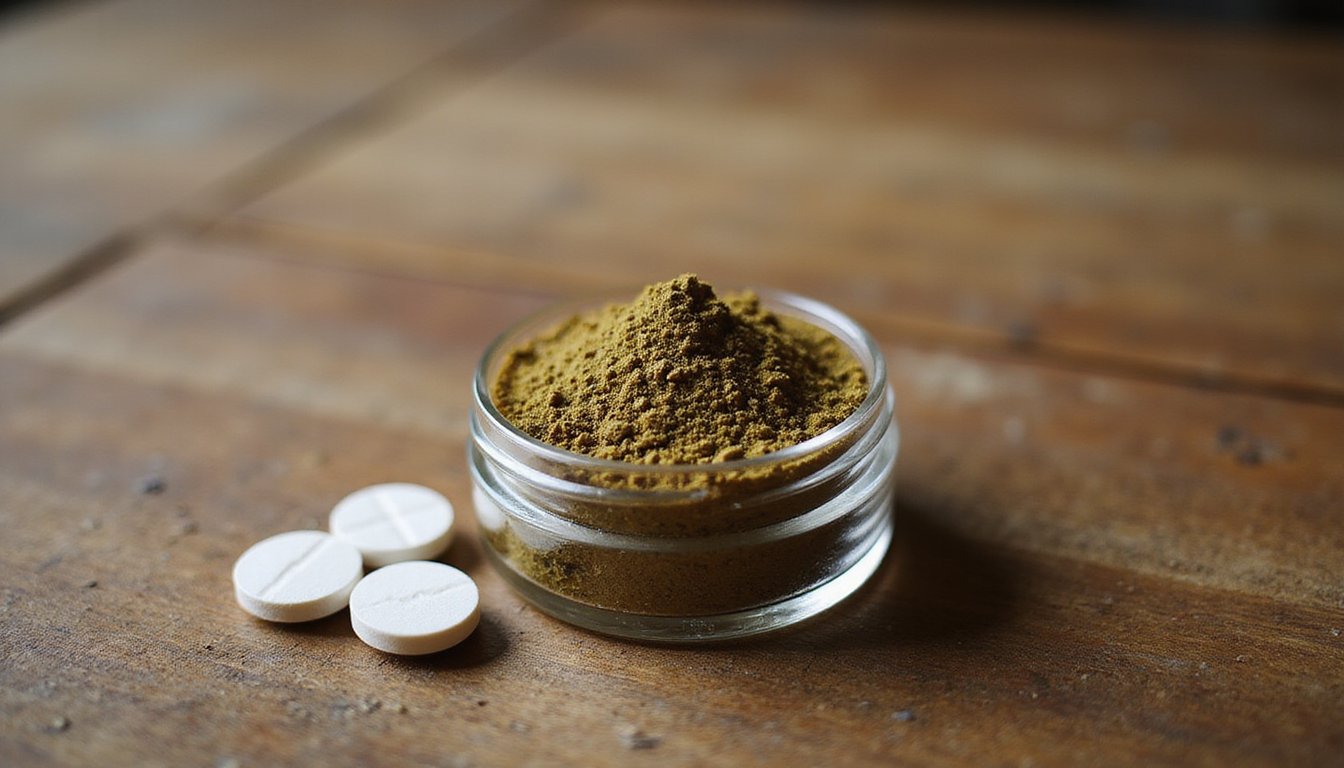
How dramatically do kratom and traditional opioids differ in their capacity to kill? The data shows opioid overdose death risk exceeds kratom’s by over 1,000 times. Kratom-positive deaths represented less than 1% of all overdose fatalities tracked by the CDC during 2016, 2017. However, you shouldn’t interpret this as safety, nearly all kratom-positive deaths involved other substances.
- Fentanyl co-occurred in 65.1% of kratom-positive overdose deaths, amplifying respiratory depression beyond what either substance causes alone
- Benzodiazepines appeared in 22.4% of these fatalities, compounding sedation and breathing suppression
- Synthetic 7-OH products have caused fatal overdoses requiring naloxone reversal, narrowing kratom’s safety margin dramatically
Concentrated kratom extracts fundamentally change this risk equation.
How Kratom Withdrawal Compares to Opioid Withdrawal
Though kratom and traditional opioids activate the same mu-opioid receptors, the withdrawal syndromes they produce aren’t identical in timing, intensity, or character. You’ll experience shared symptoms, muscle aches, insomnia, nausea, sweating, and runny nose, but kratom withdrawal is generally milder than withdrawal from heroin, fentanyl, or high-dose prescription opioids.
Kratom’s stimulant properties create a distinct psychological profile. You’re more likely to experience heightened panic attacks, agitation, and pronounced emotional instability compared to typical opioid withdrawal. Physical symptoms include frequent yawning, jerky extremity movements, and hot flashes rather than the severe gastrointestinal distress and respiratory risks associated with traditional opioids. Kratom effects on mental health can vary significantly among individuals. Some report improvements in mood and anxiety levels, while others may face increased mental agitation.
Kratom’s acute phase peaks during days one through three and extends slightly longer than standard opioid withdrawal timelines. Importantly, kratom withdrawal rarely requires emergency intervention, making outpatient management more feasible.
Can Kratom Actually Help People Quit Opioids?
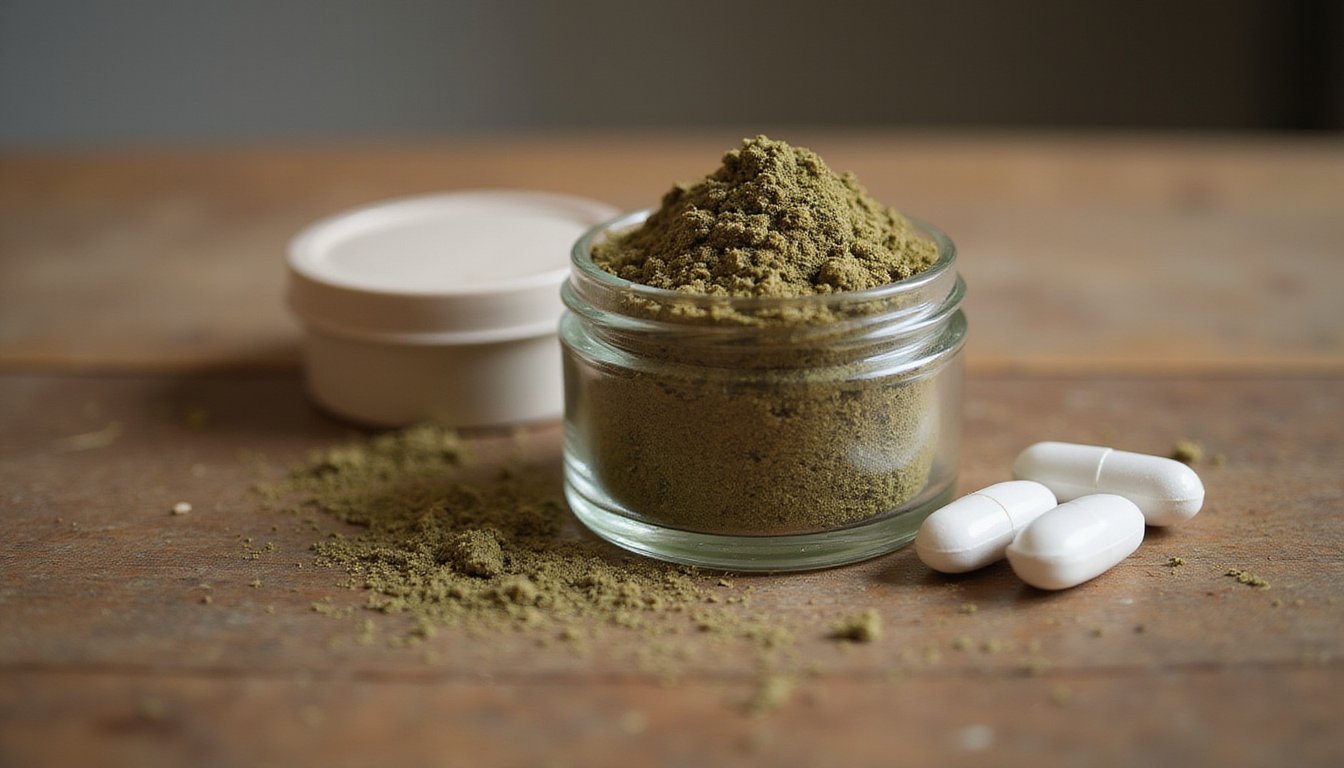
Whether kratom can serve as a legitimate bridge off traditional opioids depends on which evidence you’re examining, and how critically. A University of Florida study found that kratom tea extract markedly reduced withdrawal in morphine-dependent animals across a wide dosing range, without impairing respiration or coordination. Roughly 1 in 10 people with opioid use disorder report using kratom for self-managed withdrawal.
- A patient self-treated hydromorphone withdrawal with kratom tea four times daily for 3.5 years, reporting sustained pain relief and improved alertness.
- Morphine-dependent models showed reduced withdrawal symptoms even at low kratom doses, with no methadone-like side effects.
- Poison control received 1,800 kratom reports from 2011, 2017, with half involving serious outcomes including seizures.
You should recognize the tradeoff: chronic kratom use produces its own dependence and withdrawal syndrome. Recognizing signs of kratom addiction can be challenging, as users may not initially perceive their growing reliance on the substance. It is crucial to stay informed about the symptoms associated with addiction so that early intervention can occur.
Why Suboxone Treats Both Kratom and Opioid Addiction
The reason kratom self-treatment so often trades one dependence for another circles back to a basic pharmacological fact: kratom’s primary active compound, 7-hydroxymitragynine, binds to the same mu-opioid receptors as heroin, fentanyl, and oxycodone. Suboxone’s buprenorphine component acts as a partial agonist at these identical receptors, occupying them sufficiently to halt withdrawal and reduce cravings without full activation.
| Feature | Suboxone’s Role |
|---|---|
| Receptor binding | Occupies mu-opioid receptors kratom targeted |
| Withdrawal relief | Halts symptoms from both kratom and opioids |
| Craving reduction | Blocks reinforcing effects of relapse |
| Overdose safety | Ceiling effect limits respiratory depression |
| Clinical evidence | Case studies confirm efficacy for kratom dependence |
You must stop kratom completely before starting Suboxone, concurrent use risks precipitated withdrawal.
Unanswered Questions About Kratom Safety and Efficacy
How much do we actually know about kratom’s safety profile? Less than you’d think. No controlled clinical trials have established kratom’s safety or efficacy for pain management or opioid withdrawal. The FDA hasn’t approved it for any medical condition, and it remains unregulated and nonstandardized.
- Contamination risks are real, a 2018 salmonella outbreak traced to kratom products showed you can’t assume product purity
- Drug interactions are poorly mapped, kratom’s metabolism through CYP3A4 and CYP2D6 pathways creates interaction risks your prescriber can’t fully predict
- Dose-dependent toxicity escalates sharply, exceeding 8g of powder correlates with seizures in 6.1% of cases and hallucinations in 4.8%
You should discuss any kratom use with your healthcare provider, especially if you’re taking other medications.
Make the Call That Changes Everything
Withdrawal from any substance can be more challenging than people expect, and professional medical care makes the entire process safer and more manageable. At Fortify Wellness in Los Angeles County, our skilled team offers reliable Treatment Programs designed to support every step of your healing. Call +1 (818) 918-9564 today and start building a stronger, healthier tomorrow.
Frequently Asked Questions
Is Kratom Legal Everywhere, or Is It Banned in Some States?
Kratom isn’t legal everywhere. Six states, Alabama, Arkansas, Indiana, Rhode Island, Vermont, and Wisconsin, have fully banned it. Even in states where it’s legal, you may face local bans in specific cities or counties, like San Diego, Denver, and Sarasota County. Some states have passed Kratom Consumer Protection Acts regulating quality and age restrictions. You should always check your state and local laws before purchasing or possessing kratom.
Can You Become Addicted to Kratom After Just One Use?
No, you won’t become addicted to kratom after a single use. Addiction develops through repeated exposure as your brain adapts to kratom’s opioid receptor activity, building tolerance and physical dependence over time. One-time use doesn’t create the neurological changes needed for addiction. However, if you’ve previously used opioids, you’re at higher risk because cross-tolerance can accelerate dependence development. Regular, frequent dosing, not a single experience, drives addiction risk.
Do Doctors Drug Test for Kratom the Same as Opioids?
No, doctors don’t test for kratom the same way they test for opioids. Standard drug panels won’t detect kratom’s alkaloids, they’re screening for substances like morphine, codeine, and heroin instead. If a provider specifically suspects kratom use, they’ll need to order a specialized assay using mass spectrometry. You should also know that some adulterated kratom products contain fentanyl or synthetic opioids, which *can* trigger positive opioid results unexpectedly.
Is It Safe to Drive After Taking Kratom?
You shouldn’t assume it’s safe. Kratom’s sedative effects at higher doses can slow your reaction time, reduce coordination, and cause drowsiness, all of which impair driving. While simulated driving studies haven’t shown significant impairment, self-reported confidence doesn’t equal safety. Courts in multiple states have upheld DUI convictions involving kratom despite its legal status. If you’re experiencing any sedation or altered perception after dosing, don’t drive.
How Long Does Kratom Stay Detectable in Your System?
Kratom’s detection window depends on the testing method and your usage pattern. Urine tests detect it for 2, 5 days after occasional use and up to two weeks with chronic use. Blood tests catch it within a 24, 48-hour window. Saliva testing works for roughly 1, 2 days, while hair follicle tests can theoretically detect use up to 90 days. Your metabolism, hydration, dose, and frequency all considerably influence these timelines.