


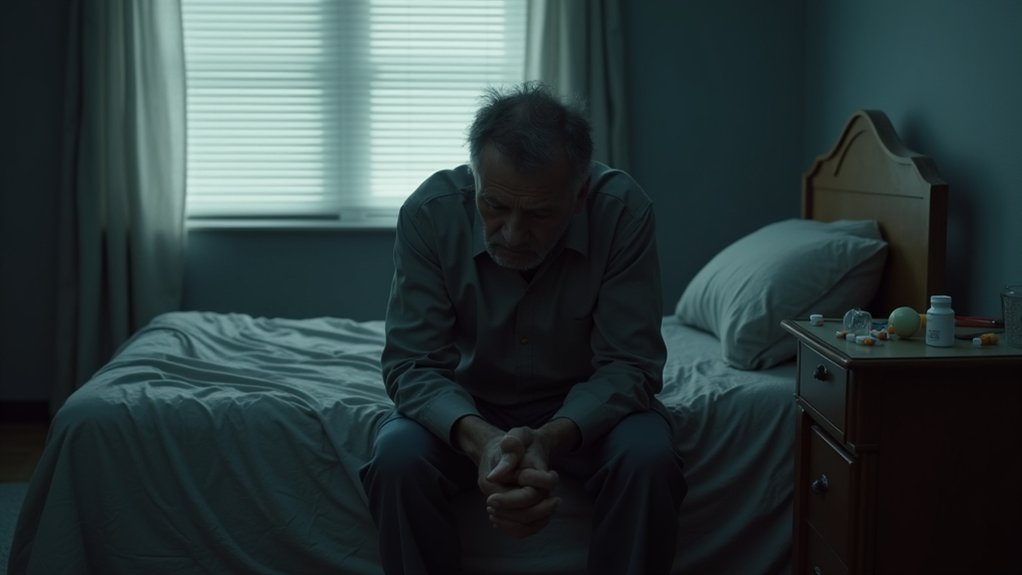




If you’ve relapsed, pause and stay calm. Reach out to someone you trust, a friend, sponsor, or therapist. Take an honest look at what triggered the return to use, then recommit to your sobriety. Remember, relapse doesn’t mean failure. Addiction’s a chronic condition, and setbacks are a normal part of recovery, not proof you’re broken. One slip doesn’t define your future. Keep going, and you’ll discover exactly how to get back on track.
Key Takeaways
- Pause, stay calm, and reach out to a trusted friend, family member, sponsor, or therapist for immediate support.
- Identify the triggers that led to your relapse, such as stress, old environments, or HALT (hungry, angry, lonely, tired) feelings.
- Treat yourself with compassion, since relapse is a normal part of recovery and does not mean you have failed.
- Resume treatment, attend meetings, and book next steps to restore structure and recommit to your sobriety.
- Distinguish a brief slip from a full relapse to avoid spiraling into shame and take appropriate action faster.
What should you do immediately after a relapse

Immediately after a relapse, pause and stay calm. Reach out to someone you trust, a friend, family member, sponsor, or therapist, so you’re not facing this alone. Then, take an honest look at what triggered your return to use. Was it stress, an old environment, or a HALT feeling (Hungry, Angry, Lonely, Tired)? Identifying these thoughts and actions helps you avoid the same mistake again. Recommit to your sobriety, remembering that recovery is a marathon, not a sprint. One relapse doesn’t dictate your future, it’s simply a signal that you may need adjusted support moving forward.
What is the difference between a slip and a relapse
A slip and a relapse differ in duration and severity. A slip is a brief, isolated moment of use, you have one drink or use once, then quickly stop and recommit. A relapse, on the other hand, involves returning to your old patterns of substance use over a longer period. Understanding this distinction helps you respond appropriately without spiraling into shame.
Why does this matter? Because how you frame what happened shapes what you do next. A slip can become a wake-up call, catching yourself before things escalate. Recognizing the difference lets you act quickly, reach out for support, and remember that recovery is a marathon, not a sprint.
Why does relapse not mean failure

Relapse doesn’t mean failure because addiction is a chronic condition, much like hypertension, asthma, or diabetes, diseases with relapse rates ranging from 50 to 70 percent. When you experience a recurrence, it doesn’t erase your progress or define your future. Instead, it signals that your treatment needs adjusting, not that you’ve done something wrong. Experiencing chronic relapse in addiction is a challenging part of recovery, but leaning on support and learning from setbacks can help build lasting resilience.
Relapse is a normal part of recovery, affecting 40 to 60 percent of people treated for substance use disorders. It’s a sign to seek more support, not to give up. Recovery is a marathon, not a sprint, and one setback doesn’t dictate where you’ll end up.
How do you deal with shame and guilt after relapsing
Deal with shame and guilt after relapsing by treating yourself with the same compassion you’d offer a friend. Acknowledge what happened, then focus on what you’ve learned. Those feelings of shame and guilt aren’t facts. Relapse is a normal part of recovery for chronic conditions, not proof that you’re broken. Around 40 to 60 percent of people treated for substance use disorder experience a relapse, so you’re far from alone.
Reaching out for relapse help, whether from therapy, peer support, or loved ones, reminds you that you don’t have to carry this weight alone. Guilt fades when you channel that energy into recommitting to your recovery instead. Exploring reverse tolerance facts reveals how your body can grow more sensitive to substances after a break, offering valuable insight to support your recovery path.
How do you get back into recovery after a relapse

To get back into recovery after a relapse, take one honest step: reach out for support. Call your therapist, sponsor, or a trusted friend. You don’t have to do this alone. Then identify what triggered the slip so you can avoid the same mistake. Remember, getting back on track after relapse isn’t about starting over; it’s about adjusting your care and recommitting to sobriety.
| Action | Why It Helps | First Step |
|---|---|---|
| Reach out | Rebuilds accountability | Text your sponsor |
| Review triggers | Prevents repeats | Journal what happened |
| Resume treatment | Restores structure | Book an appointment |
| Attend meetings | Boosts abstinence | Find a local AA group |
Recovery’s a marathon, not a sprint. One relapse doesn’t dictate your future. Keep going.
When should you return to treatment or seek more support
You should return to treatment or seek more support when you notice warning signs, and you shouldn’t wait for a full relapse to act. If you’ve already slipped and you’re thinking “I relapsed, what now?”, know that returning to treatment isn’t failure, it’s smart, proactive care. Recognizing the 3 stages of relapse gives you a clear roadmap to spot subtle risks early and protect your long-term recovery journey.
Reach out for more support when you notice:
- HALT feelings, hunger, anger, loneliness, or tiredness creeping back in
- Old triggers, drifting toward familiar friends, places, or routines tied to use
- Emotional shifts, rising stress, depression, or persistent cravings you can’t shake
- Withdrawal of support, pulling away from therapy, meetings, or loved ones
How Fortify Wellness helps people get back on track
Fortify Wellness helps people get back on track by meeting you exactly where you are, with no judgment, just support. If you’re thinking “I relapsed” and feeling unsure about what to do after a relapse, we’re here to walk that road with you.
We help you identify the thoughts, triggers, and situations that led to your return to use, so you can avoid repeating them. Together, we’ll adjust your care rather than start over, because relapse isn’t failure. It’s a normal part of recovery. Learning how to build a relapse prevention plan equips you with personalized strategies to handle tough triggers and keep moving forward in your recovery.
You’ll gain access to therapy, medication-assisted treatment, monitoring, and peer support that strengthen your foundation. We’ll help you recommit to sobriety, remembering that recovery is a marathon, not a sprint. One setback doesn’t define your future.
Relapsed? You Don’t Have to Start Over Alone.
A relapse is a signal to adjust your care, not proof you failed. Fortify Wellness helps you spot what led back to use, then rebuilds your footing with therapy, monitoring, and peer support. Our outpatient program and case management in Granada Hills keep you supported through the transition back, no judgment.
Call (818) 918-9564 or reach out here. Confidential, 24/7.
Frequently Asked Questions
I just relapsed. What’s the first thing I should do?
Pause and stay calm, then reach out to someone you trust, a friend, sponsor, or therapist, so you’re not sitting with it alone. After that, look honestly at what triggered the return to use. Acting quickly matters more than reacting perfectly.
Is a slip the same as a relapse?
Not quite. A slip is a brief, isolated moment of use that you stop and recommit after. A relapse is a longer return to old patterns. The difference matters because catching a slip early can keep it from escalating, and framing it accurately helps you respond instead of spiraling into shame.
Does relapsing mean I failed?
No. Addiction is a chronic condition, and relapse affects an estimated 40 to 60 percent of people in treatment for substance use disorders. It doesn’t erase your progress or define your future. It signals that your treatment needs adjusting, not that you’re broken.
How do I handle the shame and guilt?
Treat yourself the way you’d treat a friend in the same spot. Acknowledge what happened, then focus on what it taught you. Shame and guilt feel like facts but aren’t, and channeling that energy into recommitting tends to ease them faster than sitting in them does.
When should I go back to treatment?
Sooner than you might think, and you don’t need to wait for a full relapse. Warning signs worth acting on include HALT feelings (hungry, angry, lonely, tired), drifting back toward old triggers and routines, rising stress or cravings, or pulling away from meetings and support. Returning early is proactive care, not failure.