







When you take kratom, you’re consuming a full-spectrum leaf where mitragynine gradually converts to 7-hydroxymitragynine (7-OH) through metabolism. But standalone 7-OH products bypass that conversion entirely, delivering a concentrated mu-opioid agonist that binds receptors 5, 23 times more potently than mitragynine. That difference isn’t subtle, it means faster onset, steeper tolerance, higher addiction potential, and real respiratory depression risk. 7-OH is categorically more dangerous than natural kratom, and the distinctions below explain exactly why.
What 7-OH and Kratom Actually Are
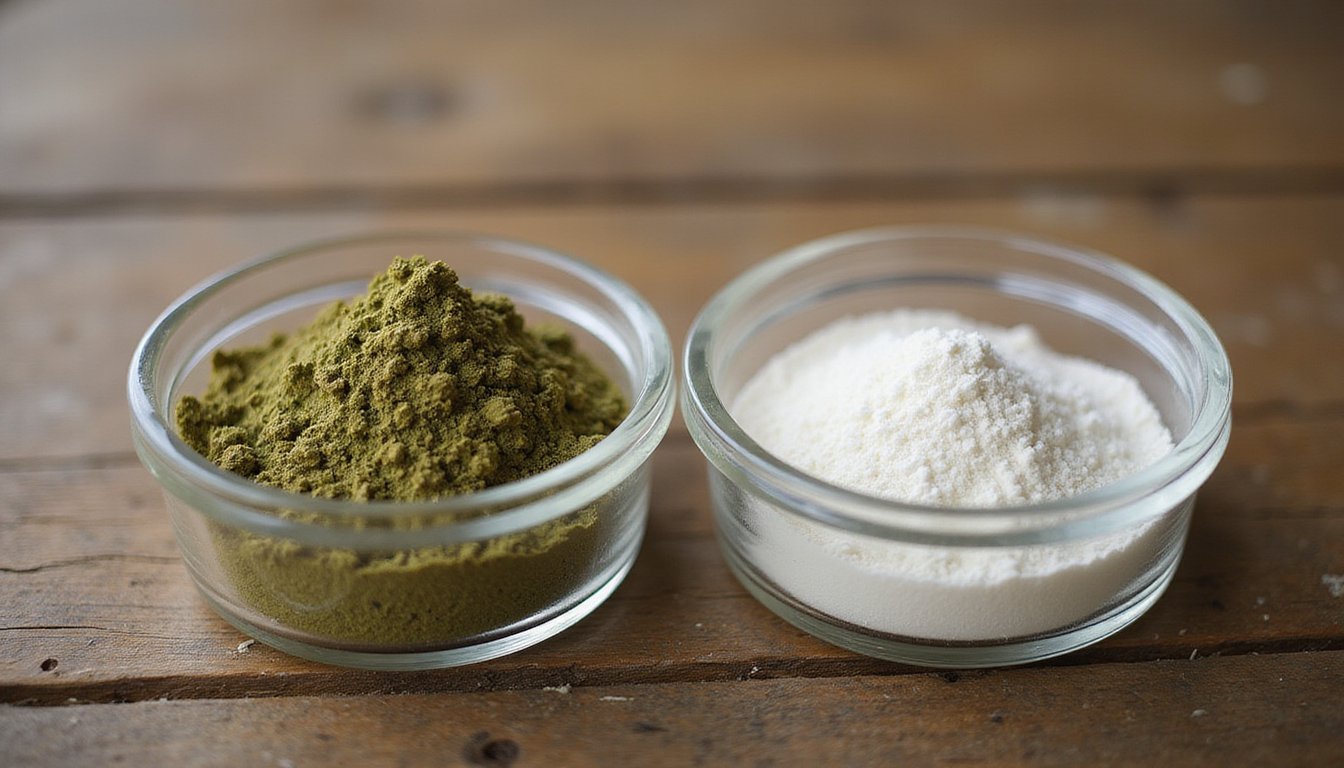
Kratom comes from *Mitragyna speciosa*, a tree native to Southeast Asia whose leaves contain at least 25 identified alkaloids, the two most clinically relevant being mitragynine and 7-hydroxymitragynine (7-OH). At low doses, mitragynine activates adrenergic receptors, producing stimulant effects. At higher doses, it engages mu-opioid receptors, yielding sedation and analgesia.
7-OH occurs naturally in trace quantities, less than 0.1% of leaf weight, yet binds mu-opioid receptors with markedly greater affinity than mitragynine. Estimates place 7-OH at five to 50 times stronger than mitragynine, which substantially raises the threshold for overuse and dependency. Commercial 7-OH products amplify this compound through semi-synthetic lab processes, delivering concentrations the plant never produces. You’ll find them sold as gummies, drinks, and powders, often misleadingly labeled as natural kratom. The core 7oh vs kratom difference is receptor-level potency, not origin.
Why 7-OH Hits Harder Than Natural Kratom
The distinction between these two compounds isn’t just chemical taxonomy, it translates directly into how hard each one hits your brain. 7-OH binds mu-opioid receptors with 5 to 23 times greater affinity than mitragynine, producing direct, full-agonist-like activation where mitragynine acts as only a partial agonist.
This receptor profile is precisely why 7oh more dangerous kratom comparisons consistently favor 7-OH as the higher-risk substance. The shorter duration of 7-OH’s effects also encourages frequent repeated dosing, which compounds the cumulative risk of adverse reactions over time. The impact of 7oh on consumer health is significant, particularly due to its association with heightened adverse reactions in frequent users. Research indicates that these effects can lead to long-term health complications, making awareness crucial for consumers.
| Factor | 7-OH | Kratom |
|---|---|---|
| Receptor potency | 7, 13x morphine | Partial agonist |
| Onset speed | Minutes | 15, 30 minutes |
| Duration | Short, abrupt taper | 2, 6 hours |
| Addiction risk | Comparable to prescription opioids | Moderate |
| Overdose potential | Respiratory depression risk | Lower threshold |
How 7-OH and Kratom Feel Different

When you take kratom, its multiple alkaloids produce a gradual onset over minutes to hours, with effects that shift predictably from stimulation at low doses to sedation at higher ones, a profile shaped by partial agonism across several receptor types. 7-OH binds directly and with high affinity to mu-opioid receptors, producing rapid-onset, intense sedation and euphoria that bypass the balanced modulation you’d get from whole-leaf kratom. This difference in receptor activation also means 7-OH’s duration is less predictable, with lingering opioid effects that can extend well beyond what you’d expect from natural kratom at any dose. Because 7-OH is several times more potent than morphine in its opioid receptor activity, even small miscalculations in dosing can lead to dangerously amplified effects compared to whole-leaf kratom use.
Onset and Intensity Differences
Because kratom leaf contains dozens of alkaloids working in concert, its effects build gradually, your body must first metabolize mitragynine into 7-OH during digestion before significant opioid receptor activation occurs. This metabolic conversion delays onset and limits peak receptor saturation, producing effects that are moderate and dose-dependent.
When comparing 7oh extract vs kratom leaf, the pharmacokinetic gap is stark. Purified 7-OH bypasses metabolic conversion entirely, binding directly to mu-opioid receptors at 7, 13 times morphine’s potency. You experience faster absorption, more pronounced euphoria, and deeper sedation, not because you’ve taken more, but because the active compound reaches receptors without dilution or delay. This concentrated receptor activation intensifies reinforcement patterns, accelerates tolerance development, and increases your risk of respiratory suppression at doses that feel deceptively manageable.
Duration and Predictability Compared
Beyond how quickly effects hit, the duration and predictability of those effects separate kratom leaf from concentrated 7-OH in ways that directly affect your risk profile.
Kratom’s effects last two to six hours along a consistent curve, low doses stimulate for two to three hours, higher doses sedate for four to six. Multiple alkaloids produce a balanced, tapering offset you can reasonably anticipate.
Concentrated 7-OH behaves differently. Effects span three to eight hours unpredictably, with higher doses extending duration in ways you can’t reliably forecast. Rapid tolerance development alters perceived duration between uses, and mislabeled products compound the inconsistency. Any honest kratom 7oh potency comparison must account for this: kratom’s natural alkaloid balance delivers predictable timing, while 7-OH’s concentrated receptor binding creates erratic prolongation that escalates both overdose and dependence risk.
7-OH vs Kratom: Addiction and Overdose Risks
Although both 7-OH and kratom activate opioid receptors, their addiction and overdose profiles diverge sharply at the molecular level. 7-OH binds mu-opioid receptors with 7 to 13 times the potency of morphine, driving rapid tolerance escalation, intense cravings, and physical dependence that mirrors, and in some user reports exceeds, traditional opioid addiction.
When comparing 7oh vs kratom addiction, the receptor-level data clarifies why outcomes differ so dramatically: Signs of 7oh dependence issues can manifest in various ways, such as increased tolerance and withdrawal symptoms.
| Factor | 7-OH | Kratom |
|---|---|---|
| Overdose Risk | Respiratory depression, naloxone-reversible | Rare unless adulterated |
| Dependence Severity | Comparable to synthetic opioids | Moderate, escalates with prolonged use |
| Reported Cases (2024) | 1,600+ poison control contacts, 40% abuse-related | Lower documented incidence |
You shouldn’t underestimate either substance’s capacity for harm, but concentrated 7-OH operates at a pharmacological threshold that natural kratom doesn’t reach. What is 7oh kratom extract and how does it differ from traditional kratom products? Many users report that this concentrated form offers a more intense experience, which can be both beneficial and risky.
How 7-OH and Kratom Products Compare
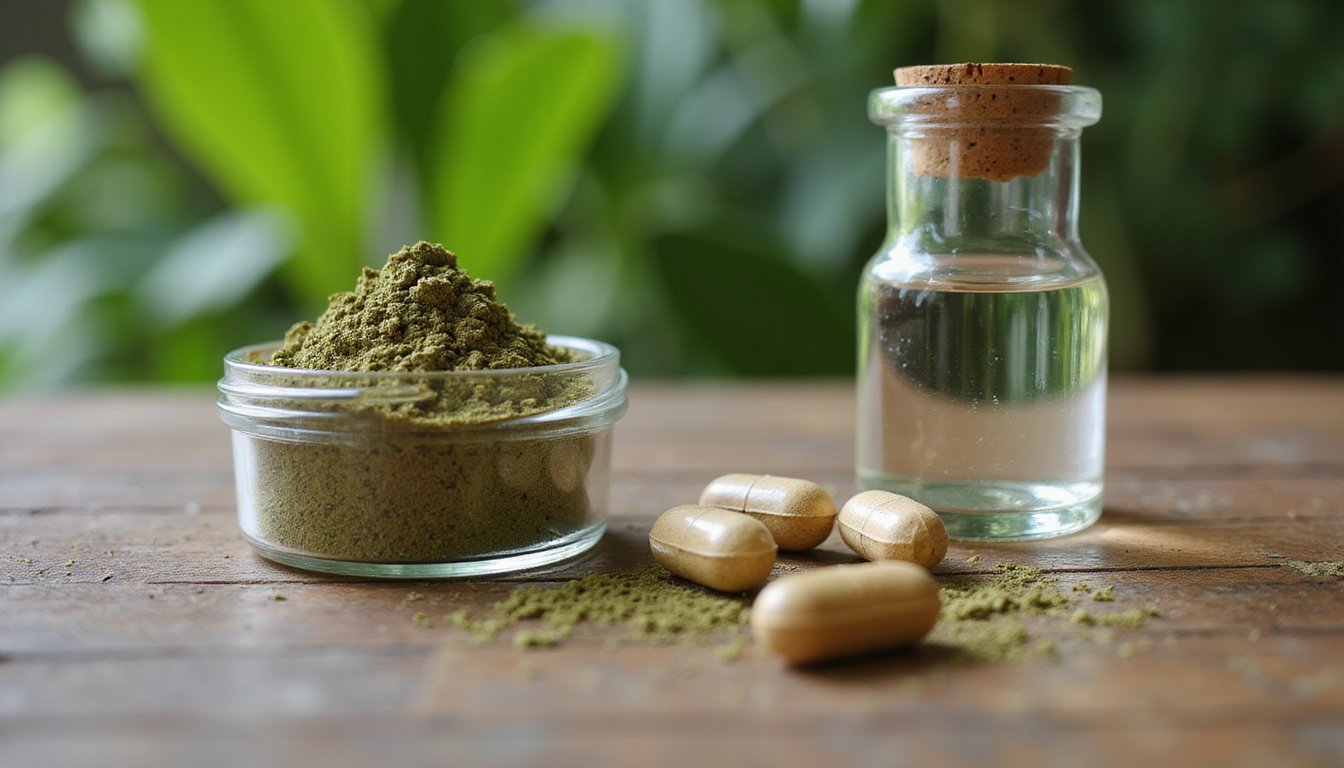
When you compare kratom powder to a concentrated 7-OH tablet or gummy, you’re comparing products that activate your opioid receptors at fundamentally different magnitudes. Kratom reaches you as dried leaf, capsules, or tea containing a full alkaloid spectrum where 7-OH constitutes less than 2% by weight, while 7-OH products deliver that single potent alkaloid at concentrations up to 98% through engineered formats like vapes, chewables, and drink shots. This gap in potency and purity between the two product categories directly determines receptor binding intensity, tolerance acceleration, and your overall risk profile.
Product Forms and Formats
The sheer variety of product formats available for kratom and 7-OH directly influences how quickly each substance reaches opioid receptors, how intensely it activates them, and how difficult dependence becomes to treat. Kratom’s traditional forms, chewed leaves, brewed teas, powders, and capsules, deliver alkaloids through slower gastrointestinal absorption, moderating receptor activation intensity.
7-OH products bypass these natural constraints entirely. Dissolvable sublingual strips delivering 75, 125mg achieve rapid mucosal absorption. Liquid shots concentrate 20, 75mg per serving for fast oral uptake. Pressed tablets pack 15, 65mg of isolated compound into single doses. Each format accelerates onset and intensifies receptor binding beyond what whole-leaf kratom produces.
This format disparity is central to 7oh vs kratom treatment planning, clinicians must assess not just the substance used but the delivery mechanism driving dependence severity.
Potency and Purity Levels
Because 7-hydroxymitragynine exists naturally at less than 2% of kratom’s alkaloid fraction, raw leaf products deliver only trace opioid receptor activation from this compound. Concentrated 7-OH extracts, however, reach up to 98% purity, with commercial tablets containing 15, 65 mg of isolated 7-hydroxymitragynine per dose. That’s 109, 509% higher than naturally occurring levels.
At the receptor level, the disparity is stark. 7-OH demonstrates 46-fold greater mu-opioid receptor affinity than mitragynine and 13-fold higher binding strength than morphine. Its EC50 sits at 34.5 nM versus mitragynine’s 339 nM, producing 22-fold greater functional activity. When you’re evaluating kratom vs 7oh addiction risk, these potency differences aren’t marginal, they represent fundamentally different pharmacological exposures that drive faster tolerance, stronger dependence, and more severe withdrawal trajectories.
Which Is Safer: 7-OH or Kratom?
How considerably do these two substances differ in safety? When you compare kratom to 7-OH at the receptor level, the risk gap is substantial. Kratom’s multi-alkaloid profile creates self-limiting opioid activation, while 7-OH bypasses those natural checks entirely.
| Factor | Kratom | 7-OH |
|---|---|---|
| Respiratory Depression | Rare at typical doses | Significant, especially with polysubstance use |
| Overdose Risk | Low with natural leaf | High; naloxone may be required |
| Withdrawal Severity | Mild to moderate | Severe cravings, insomnia, pain |
You should recognize that 7-oh delivers concentrated opioid receptor stimulation never found in natural kratom leaf. Neither substance is risk-free, but 7-OH’s potency profile makes it categorically more dangerous, particularly without medical oversight.
Begin Your Path to a Stronger Tomorrow
Some substances act on the brain like powerful opioids, and stepping away safely takes professional medical support. At Fortify Wellness in Los Angeles County, our experienced team provides trusted Treatment Programs with care, compassion, and a personalized approach. Call +1 (818) 918-9564 today and take the first step toward lasting recovery.
Frequently Asked Questions
Can 7-Oh Show up on a Standard Drug Test?
No, 7-OH won’t show up on a standard drug test. Standard 5-panel screens detect morphine, codeine, and heroin metabolites, they don’t cross-react with kratom alkaloids like 7-hydroxymitragynine. Your body metabolizes 7-OH through different pathways than traditional opiates, so immunoassay panels can’t flag it. However, specialized LC-MS/MS tests can detect 7-OH at cutoffs as low as 1-5 ng/mL. If you’re facing probation or pain management screening, those panels increasingly include kratom-specific testing.
Is It Legal to Buy 7-Oh Products in Every State?
No, you can’t legally buy 7-OH products in every state. Alabama, Arkansas, Indiana, Rhode Island, Vermont, Wisconsin, and Mississippi ban kratom products outright, including 7-OH. Louisiana classifies kratom alkaloids as controlled substances, and states like Illinois and Ohio specifically target isolated 7-OH derivatives. Even in states where it’s technically legal, you’ll face varying age restrictions, labeling requirements, and potency scrutiny, so you should verify your state’s current regulations before purchasing.
Can You Reverse a 7-Oh Overdose With Naloxone Like Other Opioids?
Because 7-OH binds aggressively to opioid receptors with potency 7, 13 times stronger than morphine, naloxone should theoretically block those same receptors and reverse an overdose. Emergency protocols for 7-OH intoxication mirror standard opioid reversal procedures. However, you should know that limited clinical data means dosing requirements remain uncertain. If you’re using concentrated 7-OH products, keeping naloxone accessible isn’t optional, it’s a necessary safety measure.
Does Mixing 7-Oh With Alcohol Increase the Risk of Death?
Yes, mixing 7-OH with alcohol greatly increases your risk of death. Both substances depress your central nervous system, but 7-OH’s potent mu-opioid receptor activation, up to 13x morphine’s strength, compounds alcohol’s respiratory suppression synergistically. This combination rapidly slows your breathing, leading to hypoxia, coma, and fatal respiratory failure. Alcohol also delays 7-OH clearance from your body, prolonging dangerous exposure. If you’re using both, you need immediate professional help.
How Long Does 7-Oh Withdrawal Typically Last Compared to Kratom Withdrawal?
7-OH withdrawal typically lasts 1, 4 weeks, while kratom withdrawal resolves in 1, 2 weeks. You’ll notice 7-OH’s onset hits faster, within 6, 12 hours, because its potent opioid receptor binding creates rapid dependence. Kratom’s onset is slower at 12, 48 hours. 7-OH’s acute phase peaks more severely during days 1, 3, and its post-acute psychological symptoms, cravings, anxiety, sleep disruption, persist longer, often requiring medical detox that kratom withdrawal doesn’t always demand.