

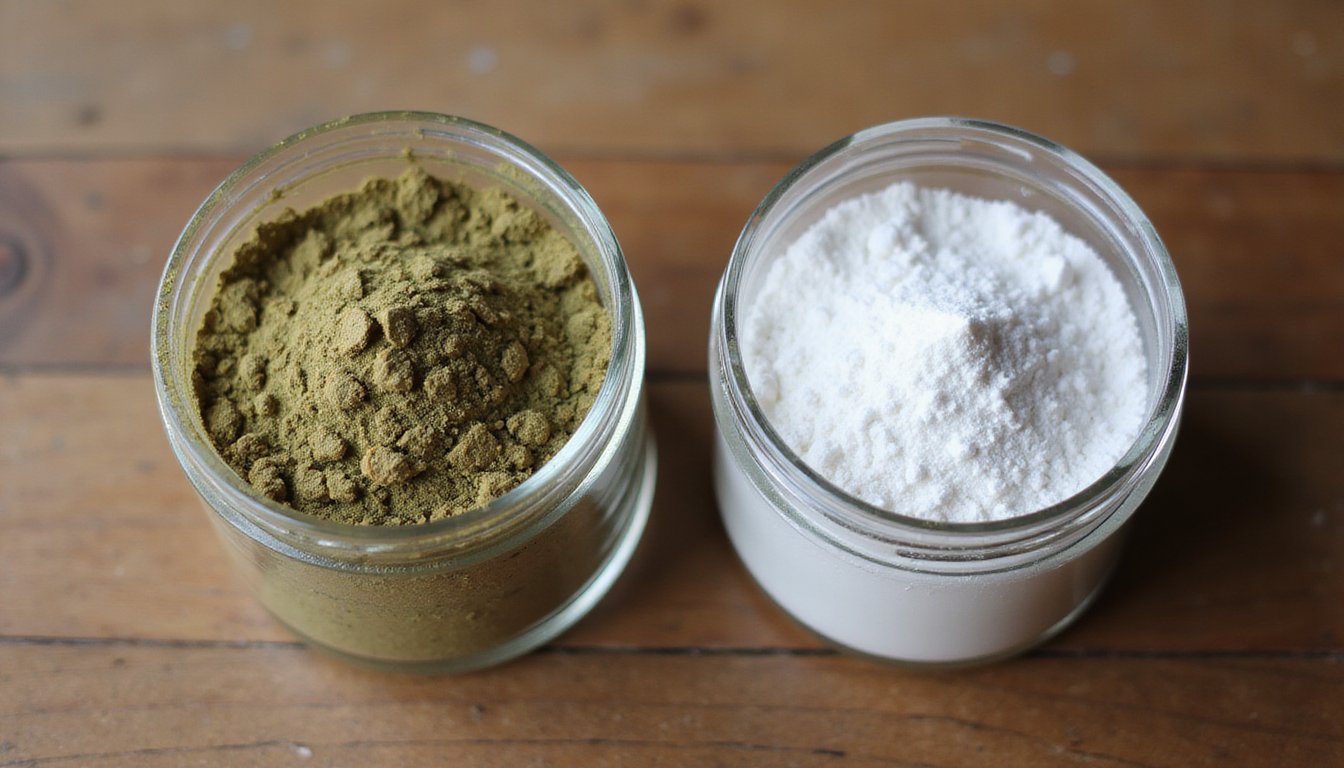



If you’re wondering whether 7-OH will be banned, the short answer is it’s already happening. The FDA has recommended Schedule I classification, seized over 73,000 product units, and multiple states, including California, Florida, and Louisiana, have enacted targeted bans. However, the DEA hasn’t finalized federal scheduling, and researchers remain divided on whether the evidence justifies it. The full regulatory picture, including what’s confirmed and what’s still uncertain, unfolds in the sections below.
How 7-OH Differs From Natural Kratom Leaf
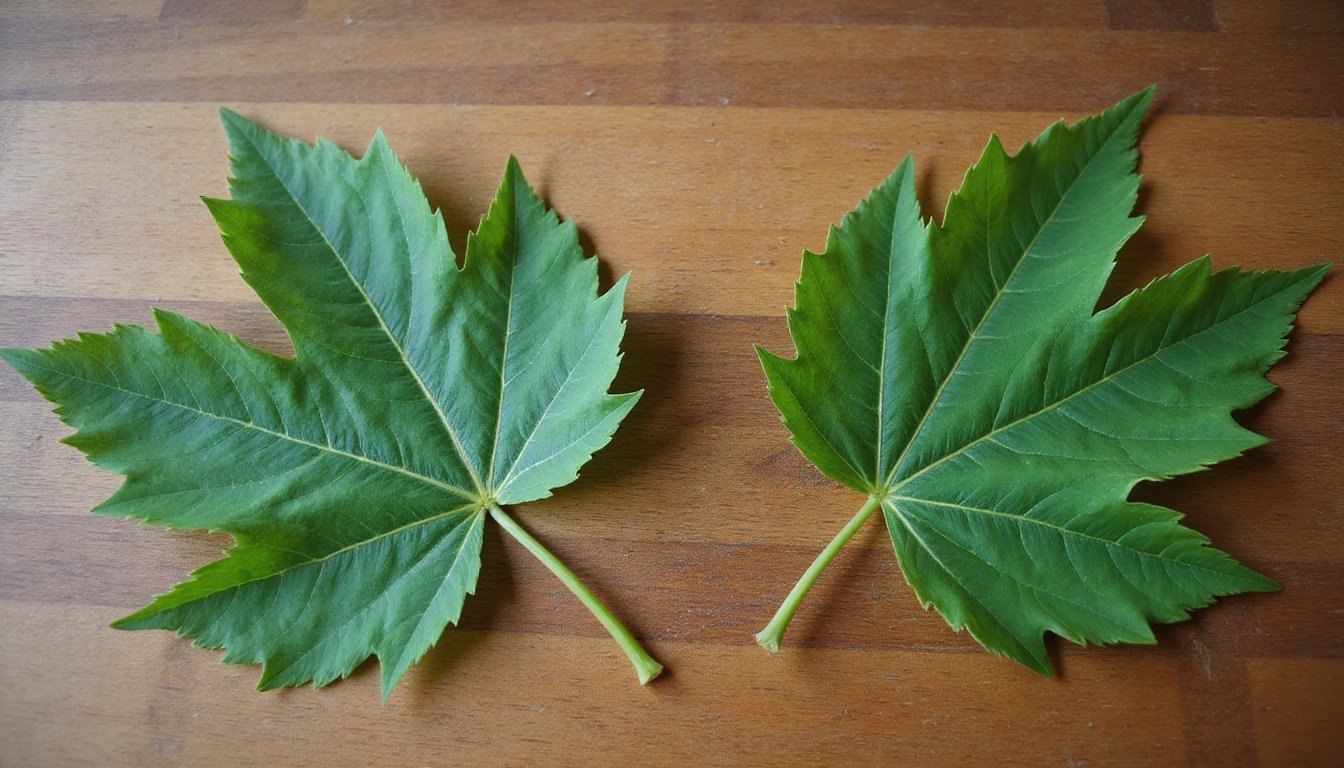
Though 7-hydroxymitragynine exists naturally in kratom leaf, it’s present at concentrations below 0.05%, a trace amount that plays a negligible pharmacological role when someone consumes whole-leaf kratom. Commercial 7-OH products isolate or semi-synthetically concentrate this compound, often starting with purified mitragynine modified in laboratories. Certificates of analysis frequently show mitragynine levels near zero, confirming these aren’t natural leaf products. Additionally, inconsistencies between batches and brands have contributed to growing user mistrust of concentrated 7-OH products in online communities.
This distinction matters for the 7oh regulation future. Isolated 7-OH binds opioid receptors with 30, 50x morphine’s potency, creating 7oh safety and risks profiles closer to classical opioids than whole-leaf kratom. Natural kratom’s 40+ alkaloids produce balanced, moderate effects through synergistic mechanisms. Understanding this pharmacological gap is essential as discussions around a kratom 7oh federal ban intensify among regulators and researchers.
Why the FDA Wants 7-OH Banned
The 7oh public health threats driving this action include addiction, seizures, withdrawal symptoms, and targeted marketing to youth through flavored gummies and convenience store placement. The FDA’s enforcement trajectory, warning letters, product seizures coordinated with the DOJ, and now a formal scheduling recommendation to the DEA, signals a clear 7oh controlled substance future built on accumulating adverse event reports and pharmacological evidence. The recent coordinated seizure of approximately 73,000 units of 7-OH products valued at roughly $1 million from three Missouri firms underscores the scale and seriousness of the federal government’s commitment to removing these substances from the consumer market.
Why the FDA Calls 7-OH More Dangerous Than Morphine
When the FDA classifies 7-hydroxymitragynine as more dangerous than morphine, that assessment isn’t rhetorical, it’s pharmacological. You’re looking at a compound that’s 13 times stronger at mu-opioid receptors, with respiratory depression over three times more potent than morphine. These metrics directly inform the 7oh DEA scheduling trajectory.
| Measure | Morphine | 7-OH |
|---|---|---|
| Mu-Opioid Binding | Baseline | 13x stronger |
| Respiratory Depression | Baseline | 3x+ more potent |
| Human Safety Studies | Extensive | None |
The 7oh legal future hinges on this data. No human safety trials exist for isolated 7-OH, yet it’s sold without dosing oversight. For regulators weighing whether 7oh should be banned, the pharmacological profile alone presents a compelling case, concentrated opioid activity without corresponding safeguards. Multiple fatal overdoses have been reported among young, otherwise healthy adults, underscoring that the absence of safety data isn’t a theoretical gap, it’s a body count.
What Evidence Supports a 7-OH Ban: and What’s Missing?
Pharmacological potency alone doesn’t determine whether a substance gets banned, regulatory action requires an evidence base, and the evidence behind 7oh ban efforts is both compelling and incomplete. The FDA’s adverse event data documents 13 cases with two deaths suspected to involve 7-OH, but zero fatalities from 7-OH use in isolation. Nearly two-thirds of fatal cases involved fentanyl, one-third involved heroin, and 80% of decedents had documented substance misuse histories.
That context matters when you’re evaluating 7oh ban states 2025 legislation. The Texas Poison Center Network logged 192 exposure reports this year, and California declared these products outright illegal. But the gap between enforcement momentum and isolated-cause evidence remains significant. Polysubstance use, uncharacterized products, and lack of medical care in 90% of decedents limit what you can definitively attribute to 7-OH alone.
Where Does the DEA Stand on 7-OH Scheduling?

How quickly the DEA acts on 7-OH depends on which scheduling pathway it chooses, and right now, that decision remains unresolved. The FDA recommended Schedule I classification on July 29, 2025, but the DEA holds final authority and hasn’t announced a timeline or formal action as of May 2026.
Two primary routes exist. The DEA can pursue emergency temporary scheduling, which bypasses the full eight-factor analysis and takes effect quickly but lasts only two to three years. Alternatively, it can initiate standard rulemaking with a public comment period. Congressional pressure from Senator Roger Marshall and Representative Rob Bresnahan is pushing toward the emergency route, but the DEA’s 2016 reversal on kratom scheduling demonstrates that political momentum doesn’t guarantee regulatory follow-through.
What Schedule I Classification Would Mean for 7-OH
If 7-OH is classified as Schedule I, you’d face the same legal framework that governs heroin and LSD, meaning possession, sale, and distribution would carry serious federal penalties. That classification would also severely restrict research access, requiring DEA-issued licenses and limiting the studies that could clarify 7-OH’s pharmacology and treatment applications. Understanding these consequences matters now, while the DEA’s rulemaking process is still underway, because enforcement realities will shift quickly once a final scheduling decision is made.
Legal Consequences Explained
Should the FDA’s recommendation move forward as expected, 7-OH would fall under Schedule I of the Controlled Substances Act, the most restrictive classification in federal drug law. That places it alongside heroin and LSD, substances defined by high abuse potential and no accepted medical use.
If you’re manufacturing, distributing, or possessing concentrated 7-OH products, Schedule I classification makes each of those activities a federal offense. The DEA holds final scheduling authority and can implement emergency scheduling that remains in effect for two to three years without judicial review.
You should understand that this isn’t theoretical. The Justice Department has already seized 7-OH products from warehouses, and the FDA has issued warning letters to seven companies. The enforcement infrastructure is active before formal scheduling even takes effect.
Research Access Restrictions
Beyond the criminal penalties, Schedule I classification would impose a separate and potentially more consequential constraint: it would severely restrict scientific research into 7-OH’s pharmacology, therapeutic potential, and addiction profile.
Under Schedule I, you’d face significant barriers to studying the compound:
- DEA registration required, researchers must obtain separate authorization with strict security protocols before handling any 7-OH material
- No general possession permitted, even university labs without active DEA registration couldn’t legally store or analyze samples
- Protocol-level approval, every study design must pass federal review before research begins
- Historical precedent, the 2016 temporary scheduling of mitragynine and 7-hydroxymitragynine already demonstrated how quickly lab access contracts under emergency orders
Since the FDA’s recommendation specifically targets concentrated 7-OH products rather than natural kratom leaf, researchers studying whole-plant preparations may retain broader access. The potential advantages of 7oh kratom extract benefits have garnered attention among wellness enthusiasts. Many users report enhanced mood and increased energy levels when incorporating this extract into their routines.
Enforcement and Penalties
Once 7-OH lands on Schedule I, whether through federal rulemaking or state emergency action, the legal consequences shift from regulatory warnings to criminal penalties. You’re no longer looking at FDA warning letters, you’re looking at felony charges.
| Jurisdiction | Enforcement Action |
|---|---|
| Florida | Immediate seizures, criminal charges for retailers and possessors under emergency Schedule I rule |
| Ohio | Schedule I effective November 8, 2025; aligns with federal temporary placement authority |
| Federal (if scheduled) | Trafficking penalties up to 20 years imprisonment, mirroring heroin and LSD classifications |
| Retailers nationally | Product removal, potential criminal liability for continued sale post-scheduling |
Florida’s dual-rule approach, combining scheduling with labeling requirements, gives you a preview of how states can layer enforcement mechanisms simultaneously.
Which States Have Already Banned 7-OH?
If you’re tracking whether 7-OH will be banned in your state, the answer may already be yes. Alabama, Arkansas, Indiana, and Wisconsin maintain complete bans on kratom and its derivatives, while Florida, Mississippi, Colorado, and Kentucky have enacted targeted bans specifically on synthetic 7-OH products, with Florida alone removing more than 17,000 packages of concentrated 7-OH since its emergency ban took effect in August 2025. Several additional states are actively advancing legislation, which means the current map of 7-OH legality is shifting fast enough that you shouldn’t assume today’s access guarantees tomorrow’s.
State-Level Emergency Bans
While federal regulators deliberate over scheduling decisions, several states have already moved to ban 7-OH outright. These aren’t tentative restrictions, they’re full prohibitions classifying 7-OH as a Schedule I controlled substance:
- Alabama and Arkansas enacted bans in 2016, placing kratom and 7-OH alongside other Schedule I substances with no active reversal efforts.
- Indiana maintains a statewide ban with no exceptions or pending legislative changes.
- Louisiana implemented an emergency ban effective August 1, 2025, directly responding to FDA warnings about opioid-like risks.
- Kentucky scheduled concentrated 7-OH above specific potency thresholds.
If you’re in one of these states, possession and sale already carry legal consequences. The trend line is clear: states aren’t waiting for federal action. They’re treating 7-OH as a controlled substance now.
Pending Legislative Actions
Beyond the states that have already enacted full bans, several jurisdictions are advancing legislation that would greatly restrict or eliminate 7-OH availability. You should track these pending actions closely, as they signal where regulation is heading next. Signs of 7oh addiction are becoming a growing concern among health officials. Many retailers are already noticing a decline in sales as public awareness increases. This shift in consumer behavior could lead to more stringent regulatory measures in the near future.
| State | Pending Action | Current Status |
|---|---|---|
| California | AB-1088: ban on concentrated 7-OH, age restrictions, child-resistant packaging | Referred to Senate Health Committee (June 2025) |
| Alaska | Consumer protection discussions underway | No ban proposed |
| Iowa | Legislative review of consumer protections | No ban proposed |
| Missouri | Consumer protection discussions; DOJ seized 73,000 units in 2025 | No ban proposed |
| Kansas | Consumer protection framework under review | No ban proposed |
Note that no active federal legislation has passed, though the FDA’s July 2025 Schedule I recommendation could accelerate congressional action.
Do Researchers Support Scheduling 7-OH as Schedule I?
How unified is the scientific community on whether 7-OH belongs on Schedule I? Not very. While the FDA’s July 2025 recommendation targets concentrated synthetic 7-OH products, several researchers and policy organizations argue the move is premature. The ongoing debate also touches on the comparison between 7oh vs kratom dosage, as both substances are subject to scrutiny regarding their safety and efficacy.
Key points of contention include:
- Emergency scheduling bypasses the standard eight-factor analysis, skipping the rigorous evaluation central to sound drug policy
- Schedule I placement actively discourages the research needed to understand 7-OH’s actual risk profile
- Population-level addiction data remains insufficient, making definitive scheduling decisions scientifically questionable
- Suddenly removing access could harm people currently self-medicating for pain or opioid use disorder
The R Street Institute and former CDC leadership have cautioned against prohibition without clearer science. You’re watching a regulatory process outpace the evidence base it should depend on.
How 7-OH Companies Are Reacting to the FDA Crackdown
The FDA didn’t just issue a policy statement, it named names. You’re seeing divergent responses across the industry, ranging from legal pushback to silence.
| Company | FDA Action | Response |
|---|---|---|
| Shaman Botanicals | Warning letter for adulterated products | Public rebuttal citing internal animal safety studies |
| My Smoke Wholesale | Cease-sales directive for gummies and tablets | No public response documented |
| Relax Relief Rejuvenate (EDP Kratom) | Cited for missing New Dietary Ingredient notification | Compliance demand pending |
Shaman Botanicals stands out for directly challenging the FDA’s classification, demanding continued dialogue. Most companies haven’t responded publicly. Meanwhile, the American Kratom Association has advocated for distinguishing natural kratom from synthetic 7-OH, supporting state-level caps at 2% concentration.
Begin Your Path to a Stronger Tomorrow
Some substances act on the brain like powerful opioids, and stepping away safely takes professional medical support. At Fortify Wellness in Los Angeles County, our experienced team provides trusted Treatment Programs with care, compassion, and a personalized approach. Call +1 (818) 918-9564 today and take the first step toward lasting recovery.
Frequently Asked Questions
Can You Still Buy 7-Oh Products Online Legally Right Now?
Yes, you can still find 7-OH products for sale online, but that doesn’t mean it’s truly legal. The FDA considers selling 7-OH unlawful under the Federal Food, Drug, and Cosmetic Act, and the Justice Department has already seized tens of thousands of units. You’re buying from retailers operating in a shrinking enforcement gap, not a legally protected marketplace. The regulatory window is closing fast.
Will a 7-Oh Ban Affect Access to Regular Kratom Leaf Products?
In most cases, no, a 7-OH ban won’t eliminate your access to natural kratom leaf. Federal guidance and state-level frameworks like Ohio’s and Florida’s explicitly distinguish concentrated 7-OH derivatives from unprocessed leaf kratom, exempting natural vegetation forms. California’s statewide prohibition is a notable exception, covering both. You should monitor your state’s specific regulatory language, since the distinction between concentrated extracts and natural leaf determines what stays legally accessible.
What Treatment Options Exist for People Already Dependent on 7-Oh?
You’ve got several evidence-based options. Medical detox manages withdrawal symptoms over 5-10 days using medications like clonidine or benzodiazepines. Medication-assisted treatment with buprenorphine or naltrexone reduces cravings and shows 50-70% retention rates. Behavioral therapies, particularly CBT and contingency management, address underlying triggers. Combining medication with counseling consistently produces stronger outcomes. Fortify Wellness already treats 7-OH dependence, regardless of where scheduling decisions ultimately land.
Could 7-Oh Ever Become an FDA-Approved Prescription Medication?
It’s highly unlikely in the foreseeable future. No company has pursued FDA approval pathways for 7-OH, and there’s zero clinical trial data supporting safe therapeutic use. The FDA currently treats 7-OH as an unapproved drug, and scheduling it as a controlled substance would impose restrictions that make approval even harder. You’re looking at a substance regulators view as a public health threat, not a therapeutic candidate.
How Long Does 7-Oh Withdrawal Typically Last Without Medical Help?
Without medical help, you’re typically looking at 3, 10 days for acute withdrawal symptoms, restlessness, muscle aches, nausea, insomnia, with high-dose chronic users reporting up to 14 days. Protracted symptoms like fatigue, cravings, and depression can persist for weeks to months, and roughly 20, 30% of cases involve anxiety and anhedonia lasting 1, 3 months. Relapse risk peaks within the first 30 days. If you’re experiencing dependence, Fortify Wellness can help now.