







Reverse tolerance, or drug sensitization, means you react more strongly to a substance after repeated use. Unlike normal tolerance, you’ll need smaller doses to feel effects, not larger ones. It stems from long-lasting changes in your brain’s reward circuitry, especially the mesolimbic dopamine pathway, plus organ damage or THC buildup. It’s most associated with cocaine, amphetamine, opiates, alcohol, and cannabis. It also raises your overdose risk. Understanding the mechanisms behind it reveals why.
Key Takeaways
- Reverse tolerance, or drug sensitization, means you need smaller doses over time to feel the same effects.
- It works opposite to normal tolerance, where increasingly larger doses are required for the same effect.
- Reverse tolerance stems from lasting changes in the brain’s mesolimbic dopamine reward pathway.
- Liver or kidney damage, high intermittent doses, chronic stress, and THC buildup can trigger it.
- It raises overdose risk and can signal serious health problems like organ damage.
What is reverse tolerance

Reverse tolerance, also known as drug sensitization, describes an increased reaction to a substance following repeated use. It works the opposite way of standard tolerance, which most people associate with repeated drug use and diminishing effects. Instead of needing more, you require smaller doses to feel the effects over time. This hypersensitivity means the same amount produces a much stronger reaction than it did before.
The phenomenon stems from long-lasting adaptive changes within your brain’s reward circuitry, particularly the mesolimbic dopamine pathway. Underlying mechanisms include the upregulation of neural receptors, increased receptor efficiency, or the presence of a disease affecting drug metabolism.
Reverse tolerance directly contradicts the standard addiction criterion, where a substance’s effectiveness typically decreases with repetition rather than intensifying with continued exposure.
How does reverse tolerance differ from normal tolerance
Reverse tolerance differs from normal tolerance in the direction of your body’s response. With regular tolerance, you need increasingly higher doses to achieve the same psychoactive effect. The reverse tolerance definition flips this: you need increasingly smaller doses to become intoxicated. Sensitization represents an increase in response, while tolerance manifests as a decrease in response. Comparing reverse tolerance vs regular tolerance helps explain why some substances hit harder over time, making it easier to personalize recovery plans and stay safe.
The underlying mechanisms differ too. Regular tolerance involves brain structure changes and metabolic adaptation to a substance’s continuous presence. Reverse tolerance, by contrast, stems from long-lasting adaptive changes in your brain’s reward circuitry, particularly the mesolimbic dopamine pathway.
This makes reverse tolerance especially notable because it contradicts the standard addiction criterion, where a substance’s effectiveness typically decreases with repeated use rather than intensifying over time. Exploring reverse tolerance and weed shows how some users feel stronger effects with smaller doses over time, highlighting the importance of mindful, responsible use.
What causes reverse tolerance to develop

Reverse tolerance is caused by several distinct mechanisms, and they often overlap within the same individual. When your liver or kidneys sustain damage, they produce fewer enzymes needed to break down substances like alcohol, so the drug lingers and hits harder. Intermittent use at high doses increases the reactivity of your dopaminergic system, amplifying the response over time. Chronic stress alters these same dopaminergic circuits, functioning as an independent risk factor. Some substances, especially THC from cannabis, accumulate in your body, creating a persistent psychoactive build-up. Cross-sensitization between different drugs can transfer heightened reactivity from one substance to another, and your individual genetic differences influence susceptibility. Underlying disease, receptor upregulation, and increased receptor efficiency further contribute, explaining why reverse tolerance develops unevenly across people and substances. Understanding reverse tolerance to alcohol is essential, as feeling stronger effects from smaller amounts can mask actual intoxication levels and require tailored support.
How does reverse tolerance work in the body and brain
Reverse tolerance works through long-lasting adaptive changes within your brain’s reward circuitry, specifically the mesolimbic dopamine pathway. Repeated exposure upregulates your neural receptors and increases their efficiency, so the same dose produces a much stronger reaction than before. Your dopaminergic system becomes hypersensitive, amplifying the drug’s effects rather than dampening them.
At the body level, compromised organ function contributes. When your liver or kidneys sustain damage, they produce fewer enzymes needed to break down substances like alcohol, so the drug lingers and hits harder. With cannabis, THC accumulates in your tissues, creating persistent psychoactive build-up that intensifies your response over time.
What substances are most associated with reverse tolerance
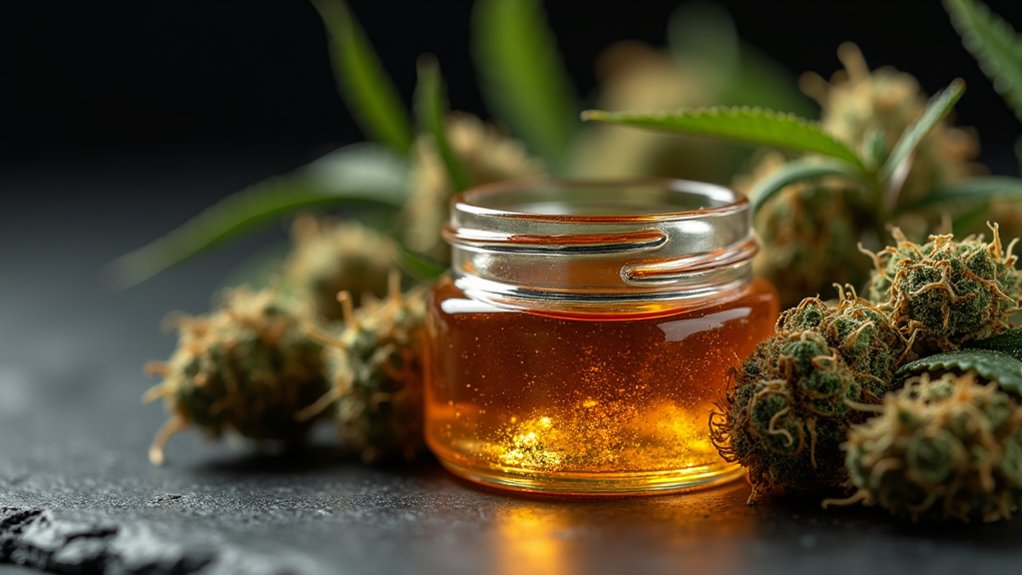
Cocaine, amphetamine, opiates, alcohol, and cannabis are the substances most associated with reverse tolerance. Understanding the reverse tolerance meaning helps you recognize how each substance behaves differently. Repeated amphetamine use can sensitize you to certain psychological effects, while cannabis users may report needing less THC over time due to accumulation in the body. With alcohol, only individuals with liver damage typically experience this phenomenon.
| Substance | Sensitization Type | Key Factor |
|---|---|---|
| Amphetamine | Psychological effects | Dopaminergic reactivity |
| Cannabis | Psychoactive buildup | THC accumulation |
| Alcohol | Metabolic reaction | Liver damage |
You should note that not all drugs produce reverse tolerance. The phenomenon depends on specific pharmacological properties, so its occurrence varies notably across these documented substances and individual users. Researching which drugs cause reverse tolerance sheds light on how subtle shifts in biochemistry can reshape care and make treatments far more personalized.
Why does reverse tolerance matter for safety and overdose risk
Reverse tolerance poses a serious safety concern because it fundamentally alters how your body responds to a substance, increasing your vulnerability to overdose. With reverse tolerance, you feel a drug’s effects more strongly even at lower doses than you previously used. If you resume your former consumption levels, you’re at heightened risk of overdose, since your system now reacts far more intensely than before. Stronger reactions can mimic overdose symptoms in long-term users, including seizures, tremors, and psychosis. This condition also serves as a warning sign for serious health issues like organ damage. Beyond physical dangers, intoxication from reverse tolerance can lead to self-harm and accidents. Understanding these risks helps you recognize when your body’s response has changed dangerously.
How Fortify Wellness helps when tolerance changes signal a problem
Fortify Wellness helps when tolerance changes signal a problem by interpreting those shifts and responding before they escalate into overdose or organ damage. When you notice you’re feeling stronger effects from smaller doses, that reverse tolerance often points to liver or kidney damage, altered dopaminergic circuits, or drug accumulation. Fortify Wellness assesses these mechanisms through targeted evaluation, identifying whether enzyme deficiency, chronic stress, or cross-sensitization drives your heightened reactivity. You’ll receive evidence-based monitoring that distinguishes reverse tolerance from regular tolerance, clarifying your true overdose vulnerability. Because stronger reactions can mimic overdose symptoms and worsen mental health, early intervention matters. Fortify Wellness addresses cravings, relapse risk, and organ damage directly, giving you a structured plan to stabilize your response and protect your long-term health.
A Smaller Dose Hitting Harder Is Worth Checking
When less of a substance produces a stronger reaction, it can point to changes in the brain’s reward system or to liver or kidney damage underneath. Fortify Wellness assesses what’s actually driving the shift and where your real overdose risk sits, then builds a plan to stabilize it. Our outpatient programs in Granada Hills cover cravings, relapse risk, and the health concerns behind the change.
Call (818) 918-9564 or get help now. Confidential, 24/7.
FAQs
Does reverse tolerance happen with every drug?
No. It depends on a substance’s specific pharmacology, so it shows up unevenly. It’s most documented with cocaine, amphetamine, opiates, alcohol, and cannabis, and even then it doesn’t affect everyone who uses them.
Why would returning to my old dose be dangerous?
Because your body now reacts more strongly than it used to. If you go back to the amount you once took, your system can respond far more intensely, which sharply raises overdose risk. The dose that felt routine before may not be safe anymore.
Is reverse tolerance a brain thing or an organ thing?
Often both. It’s tied to lasting changes in the brain’s mesolimbic dopamine reward pathway, where receptors become more reactive. At the body level, liver or kidney damage slows how substances break down, and with cannabis, THC buildup in tissue adds to it.
Can stress make reverse tolerance worse?
It can. Chronic stress alters the same dopamine circuits involved in sensitization and acts as its own risk factor. Genetics and cross-sensitization between different drugs also influence who develops it and how strongly.
How do I know if my reaction has changed dangerously?
A clear sign is feeling strong effects from amounts that used to do little. In long-term users those heightened reactions can look like overdose, with seizures, tremors, or psychosis. Any of that warrants prompt evaluation, since it can also flag underlying organ damage.