







When you’re detoxing from alcohol, your body needs nutrient-dense foods to replace what’s been depleted. Focus on hydration with electrolyte-rich fluids, lean proteins for tissue repair, whole grains for steady blood sugar, and dark leafy greens packed with folate and magnesium. B vitamins and vitamin C are especially critical, as chronic alcohol use strips these nutrients considerably. A balanced approach can reduce cravings by up to 50%, and there’s much more to uncover below. Incorporating dexpoten plus addiction into your regimen can further enhance the effectiveness of your detox process. This innovative formula supports mental clarity and reduces urges, providing a holistic approach to recovery. As your body heals, it’s essential to adopt practices that nourish both physical and mental health for lasting change.
Why Nutrition Matters During Alcohol Detox

When your body has been subjected to chronic alcohol use, it becomes depleted of essential vitamins, minerals, and nutrients required for basic function. Chronic drinking commonly causes deficiencies in folate, calcium, iron, magnesium, and zinc, while gastrointestinal damage impairs your body’s ability to absorb what it needs.
Proper nutrition during alcohol detox restores these deficiencies, rebalances brain chemistry, and supports tissue repair. A diet rich in fruits, vegetables, lean proteins, and whole grains replenishes depleted vitamins and minerals during detox from alcohol, reducing withdrawal severity and cravings. Research shows that balanced diets can reduce cravings by up to 50% during the detox process, making nutritional planning a critical component of treatment. Low-fat proteins provide amino acids that stabilize mood and support neurological recovery. Correcting malnutrition early strengthens your resilience, preparing you to fully engage in thorough treatment beyond the detoxification phase. Understanding how long to detox from alcohol timeline is essential for setting realistic expectations and preparing mentally for the journey ahead. Generally, the severity of withdrawal symptoms peaks within the first few days, with specific timelines varying based on individual factors such as alcohol consumption history and overall health. Establishing a solid support system and following a structured program can greatly enhance the effectiveness of detox and lead to a healthier recovery.
Hydrate First: Water, Electrolytes, and Easy Fluids
Because alcohol acts as a diuretic, your body has already lost significant amounts of water, sodium, and essential electrolytes before detox even begins. Chronic alcohol use disrupts kidney function and inflames the stomach lining, compounding fluid loss. That’s why you should hydrate first, before addressing any other nutritional need.
Achieving electrolyte balance detox requires replenishing magnesium, potassium, and sodium through coconut water, electrolyte tablets, or medical hydration solutions. These minerals directly support muscle function, nerve communication, and heart rhythm. A well-hydrated body also supports toxin elimination more efficiently, helping your organs process and clear alcohol byproducts during recovery. If you’re seeking guidance on how to detox from alcohol in 24 hours, it’s essential to focus on hydration and nutrition. Incorporating fluids rich in electrolytes while avoiding further alcohol consumption can significantly aid in alleviating withdrawal symptoms. It’s also beneficial to consult a healthcare professional for personalized advice and support during this process.
Sip water consistently throughout the day rather than consuming large amounts at once, this allows your cells to absorb fluid effectively. Water-rich foods like cucumbers, oranges, and soups also help when plain water feels difficult. Proper hydration reduces headaches, confusion, and mood instability often mistaken for withdrawal symptoms.
Proteins and Healthy Fats That Repair Detox Damage
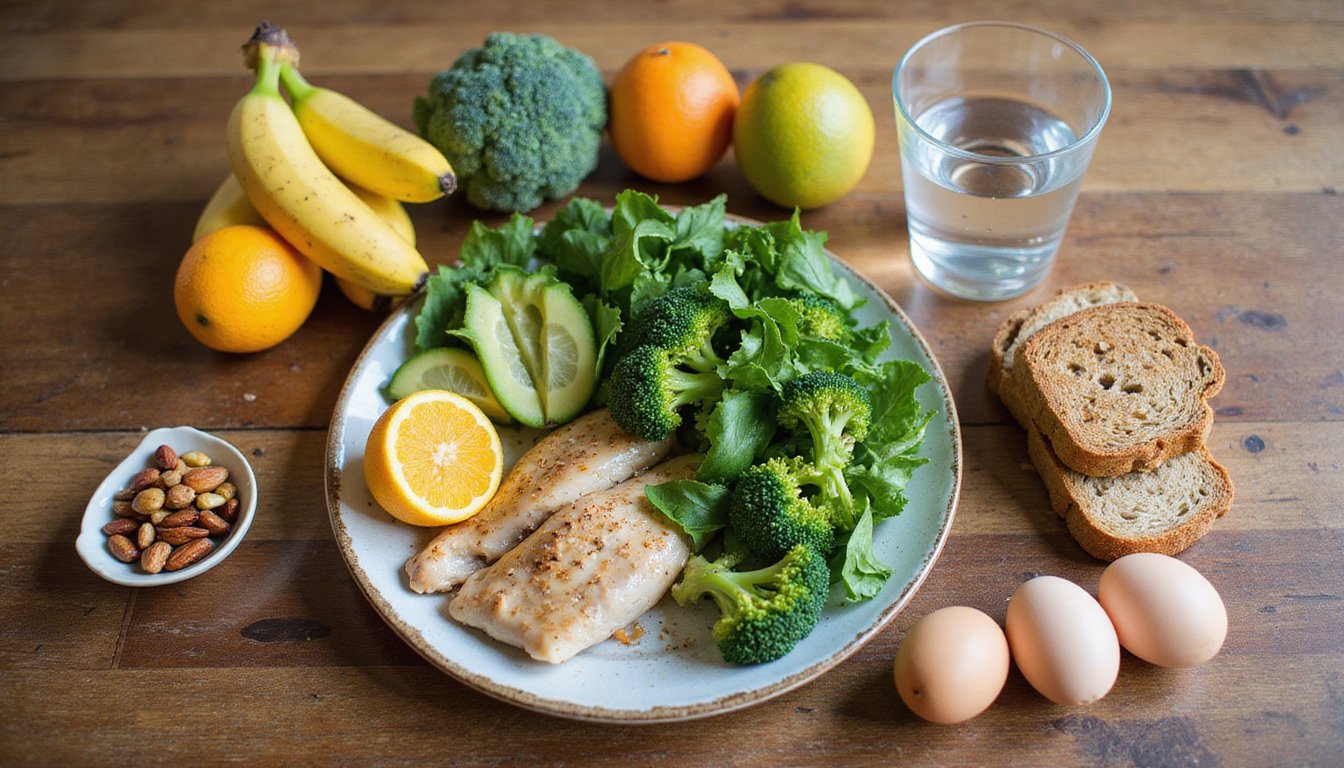
Once you’ve addressed hydration, your body’s next priority is rebuilding the tissues that alcohol has broken down. Adequate protein intake recovery alcohol research shows leads to fewer complications and stronger outcomes. Aim for approximately 1.5 grams of protein per kilogram of body weight daily to support liver regeneration and neurotransmitter production.
The connection between omega-3 fatty acids and neurological recovery is well-documented, these fats reduce inflammation, rebuild damaged cell membranes, and accelerate toxin removal. Including antioxidants like vitamin E in your diet further protects cell membranes from free radical damage, supporting cellular integrity throughout the recovery process.
Prioritize these sources daily:
- Lean proteins like chicken breast, turkey, and egg whites for essential amino acids
- Fatty fish such as salmon and mackerel for combined protein and omega-3s
- Legumes including lentils and beans for plant-based protein and fiber
- Greek yogurt and eggs for complete proteins with B vitamins
Whole Grains and Greens to Stabilize Your Body
After your body begins rebuilding with protein and healthy fats, it still needs a reliable fuel source, and that’s where whole grains and dark leafy greens come in. Whole grains like brown rice, quinoa, and oats release glucose steadily, preventing the blood sugar crashes that worsen irritability and cravings. They’re also rich in B vitamins, thiamine, niacin, and folate, critical for nervous system repair.
| Whole Grains | Dark Leafy Greens | Key Benefit |
|---|---|---|
| Brown rice | Spinach | Blood sugar stabilization |
| Quinoa | Kale | B vitamin replenishment |
| Oats | Swiss chard | Mineral restoration |
| Whole wheat | Arugula | Antioxidant protection |
| Fortified cereals | Collard greens | Digestive healing |
Dark leafy greens deliver folate, magnesium, and potassium, nutrients alcohol severely depletes. Their fiber content supports digestive recovery while keeping you fuller longer.
Restoring the Vitamins Alcohol Stripped Away
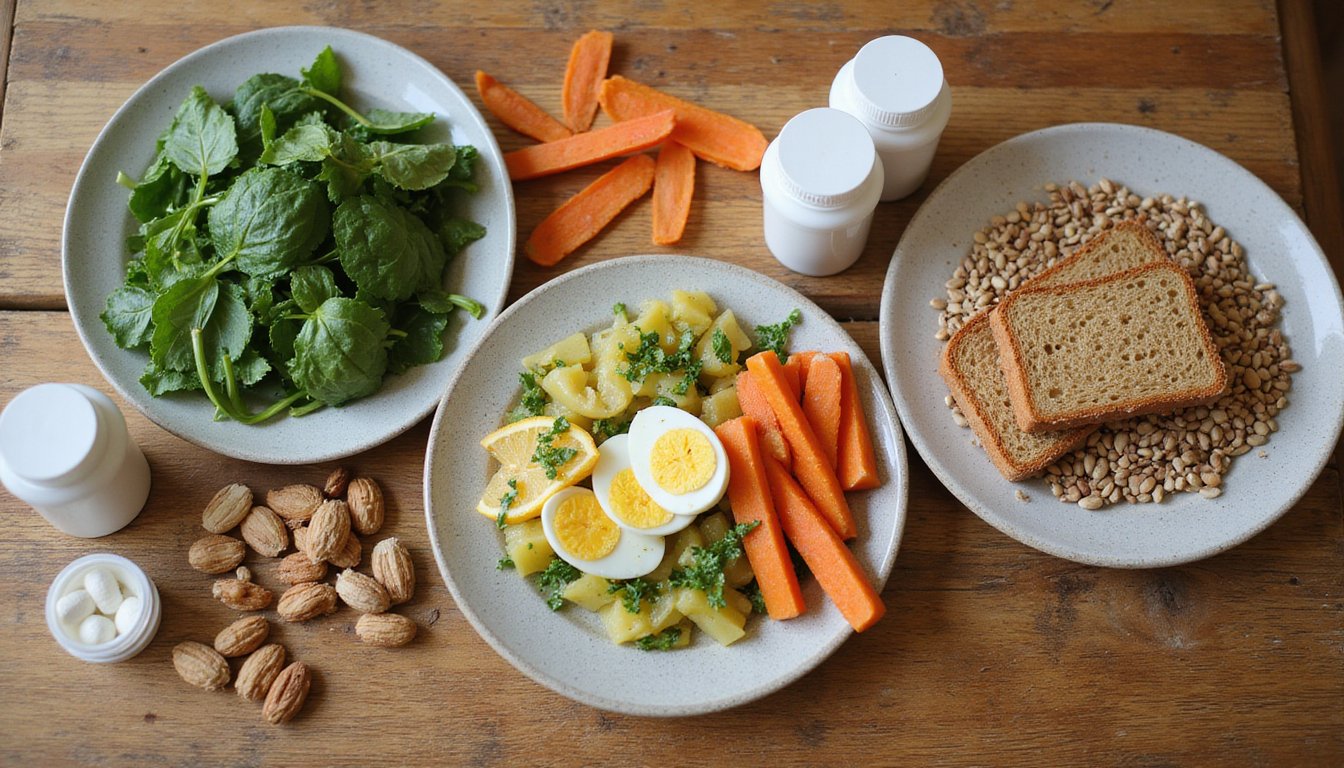
While whole grains and greens provide a strong nutritional foundation, they can’t fully compensate for the severe vitamin depletion that chronic alcohol use causes at a cellular level.
B Vitamins Replenishment is critical because deficiencies affect up to 80% of individuals with alcohol use disorders. Prioritizing liver support foods detox strategies helps reverse this damage:
- Thiamine (B1), Essential for energy production; deficiency causes extreme fatigue and neurological complications.
- Folate (B9), Alcohol forces your liver to leak folate into your bloodstream without proper absorption.
- Vitamin C, Depletion compromises immune function and may require three months of supplementation to restore normal levels.
- Vitamin A, Deficiency increases infection risk and reduces eyesight.
You’ll need targeted nutritional support to address these compounding deficiencies effectively.
Make the Call That Changes Your Life
The path through alcohol detox can feel overwhelming, but proper medical guidance and compassionate care make safe healing achievable. At Fortify Wellness in Los Angeles County, our Alcohol Detox program offers a secure way through withdrawal, supporting you as you rebuild balance, find renewed focus, and step into a healthier life. Call (818) 918-9564 today and take the first step toward lasting recovery.
Frequently Asked Questions
How Soon After Stopping Alcohol Should I Change My Diet?
You should change your diet right away when you stop drinking. In the first 24 hours, start with gentle foods like bananas, rice, applesauce, and toast to ease digestive distress. Prioritize hydration immediately, since alcohol depletes fluids. By week two, as your gut lining heals, you’ll want to shift to a balanced diet rich in lean proteins, whole grains, and leafy greens to replenish depleted vitamins and support recovery.
Are There Specific Foods to Avoid During Alcohol Detox?
You should avoid sugary foods and drinks, excessive caffeine, processed foods, and high-fat or fried items during alcohol detox. Sugar can trigger cravings and cause blood sugar crashes, while caffeine overstimulates your nervous system and worsens dehydration. Processed foods contain inflammatory ingredients that tax your liver, and greasy foods burden your digestive system. Instead, you’ll want to focus on whole, nutrient-dense foods that support your body’s recovery.
Can Proper Nutrition Alone Replace Medical Treatment During Alcohol Detox?
No, proper nutrition can’t replace medical treatment during alcohol detox. While a balanced diet helps restore depleted vitamins, stabilize your blood sugar, and reduce symptoms like anxiety and irritability, it doesn’t address potentially dangerous medical complications such as seizures or severe dehydration. You should view nutrition as a supportive component alongside professional medical care. If you’re experiencing withdrawal symptoms, you’ll want to consult a healthcare provider for a thorough treatment plan.
How Long Should I Follow a Detox Diet After Quitting Alcohol?
You should follow a detox diet for at least two to four weeks, though long-term nutritional recovery can extend six months or longer, depending on your drinking history and organ damage. During the first one to two weeks, your gut heals, and digestive symptoms subside. After that, your liver begins recovering, but it’ll need sustained dietary support. Your healthcare provider can tailor a timeline based on your individual needs.
Should I Take Supplements or Get Nutrients From Food During Detox?
You should prioritize whole foods as your primary nutrient source while using supplements to fill specific gaps. Fresh fruits, vegetables, lean proteins, and complex carbs can replenish most deficiencies naturally. However, early in detox, you’re often too depleted to meet all needs through diet alone. A doctor can identify specific deficiencies and prescribe targeted supplements, like thiamine, magnesium, or B vitamins, to safely restore healthy levels without risking overdose.