







Reverse tolerance means you feel stronger effects from cannabis even as you hold or lower your usual dose. It’s the opposite of standard tolerance, which downregulates your CB1 receptors. Instead, reverse tolerance may reflect increased receptor sensitivity. Theories point to THC accumulating in fat cells, conditioned responses, or aging and organ changes. The science isn’t settled, and clinical studies haven’t confirmed how common it is. Understanding the proposed mechanisms shows you what researchers still debate.
Key Takeaways
- Reverse tolerance (sensitization) is when users report stronger cannabis effects despite maintaining or reducing their usual dose over time.
- THC is lipophilic, binding to fat cells and potentially accumulating for weeks or months, theoretically releasing back into the bloodstream.
- Learned behavior and conditioning may intensify sensitivity by increasing users’ recognition and anticipation of cannabis effects over time.
- Aging, certain medications, and liver or kidney conditions may alter cannabinoid processing and increase sensitivity in long-term users.
- Evidence remains largely anecdotal and debated, lacking clinical confirmation that reverse tolerance is a genuine biological phenomenon versus perception change.
What is reverse tolerance to weed

Reverse tolerance, or sensitization, is when you experience stronger reactions to cannabis despite maintaining or reducing your usual dose. It reflects increased receptor sensitivity, the opposite of standard tolerance, which involves CB1 receptor downregulation. Learning reverse tolerance facts shows that cannabis sensitivity can actually increase over time, making it essential to pay close attention to how smaller doses affect you.
It’s worth noting the science remains uncertain. No definitive clinical studies confirm reverse tolerance’s prevalence in cannabis users, and much evidence stays anecdotal. Researchers still debate whether it’s a genuine biological phenomenon or a shift in individual perception.
How does cannabis reverse tolerance supposedly work
Cannabis reverse tolerance supposedly works through several competing theories, none of which researchers have firmly established. One theory suggests psychoactive components accumulate in your body over extended periods, potentially months, building up until you need less cannabis for identical effects. Another points to learned behavior, where you gradually develop the capacity to anticipate and recognize specific responses, requiring time to take hold. A biological explanation proposes that constant THC introduction reverses your receptor sensitivity, though standard tolerance typically causes CB1 receptor downregulation instead. Additional factors, including liver or kidney damage, aging, certain medications, or health conditions, may increase your sensitivity to cannabis. Each theory lacks concrete pharmacokinetic data or empirical validation, leaving you with plausible but unconfirmed explanations for why sensitization supposedly occurs. Exploring which drugs cause reverse tolerance highlights how certain substances make the body more sensitive over time, shaping safer choices and therapeutic approaches.
What role do cannabinoids and THC storage play
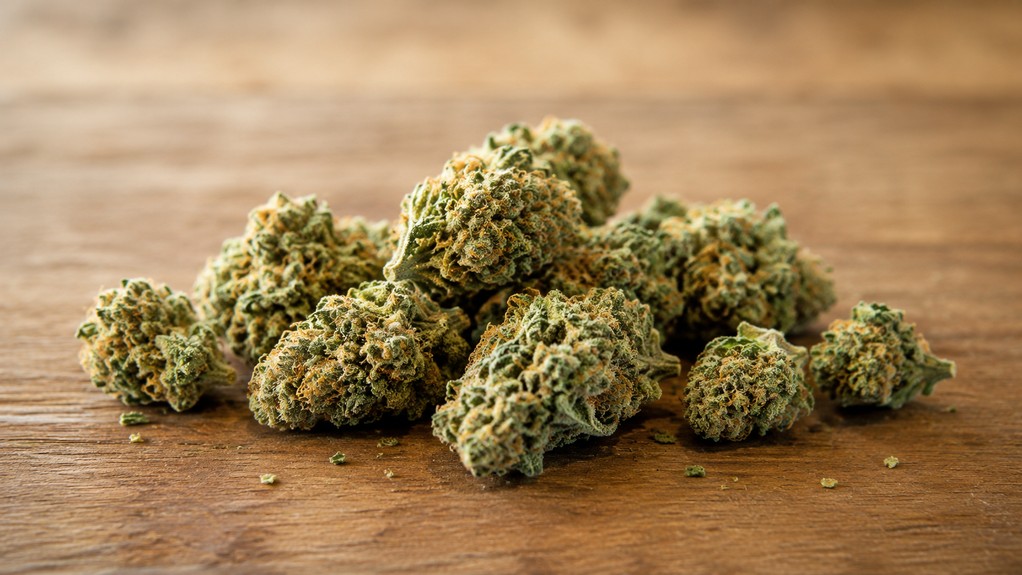
THC storage matters for reverse tolerance because THC is lipophilic, meaning it binds to fat cells and accumulates in your body over time. Unlike water-soluble drugs, this build-up may persist for weeks or even months if you’re a chronic, heavy user. The theory suggests that stored psychoactive components gradually release back into your bloodstream, contributing to heightened sensitivity even when you reduce your dose. This lingering accumulation could explain why you might feel stronger effects with less cannabis. However, you should note that concrete pharmacokinetic data confirming months-long accumulation remains lacking. The fat-storage mechanism is well-documented, but its direct link to reverse tolerance stays theoretical. Current research hasn’t verified whether stored THC actually drives increased sensitivity or simply reflects individual perception changes.
Why do some long-term users report needing less cannabis
Some long-term users report needing less cannabis due to reverse tolerance, a phenomenon with several possible explanations. Chronic, heavy exposure can accumulate psychoactive components in your body’s fatty tissue, potentially releasing THC over extended periods and contributing to sustained sensitivity. Learned behavior may also play a role, as your body develops conditioned responses that intensify over time. If you’re aging or managing liver or kidney conditions, your metabolism processes cannabinoids differently, increasing sensitivity. Certain medications interacting with cannabinoid pathways can produce the same result. It’s worth noting that current evidence remains largely anecdotal, and researchers haven’t confirmed whether these reported reductions reflect true biological change or altered perception.
How does the cannabis mechanism differ from alcohol reverse tolerance
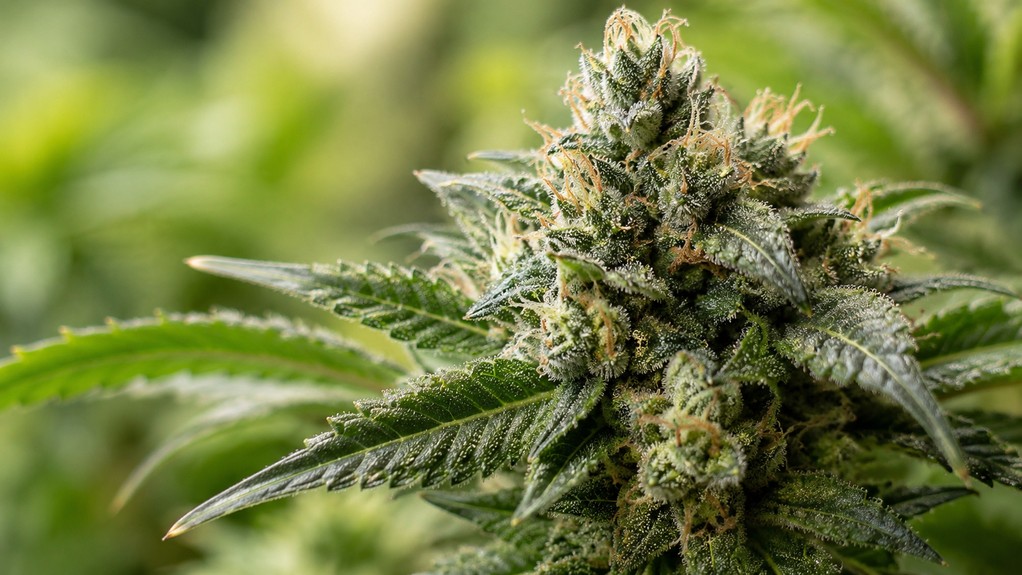
The cannabis mechanism differs from alcohol reverse tolerance because it involves CB1 receptor sensitivity changes and potential THC accumulation, whereas alcohol sensitization typically involves liver metabolism decline. These two distinct biological processes help you interpret why you might respond differently to each substance. Understanding reverse tolerance to alcohol helps explain why smaller amounts suddenly hit much harder, signaling key shifts in how the body processes drinking.
| Factor | Cannabis | Alcohol |
|---|---|---|
| Primary Mechanism | CB1 receptor sensitivity | Liver metabolism decline |
| Substance Accumulation | Possible THC build-up | Minimal storage |
| Population Affected | Heavy, long-term users | Aging, liver-impaired |
| Evidence Base | Largely anecdotal | Better documented |
You should note that cannabis reverse tolerance lacks definitive clinical confirmation, relying mostly on user reports. Alcohol sensitization, by contrast, correlates more directly with measurable organ function decline, giving you clearer pharmacokinetic explanations. Comparing reverse tolerance vs regular tolerance reveals how the body can become more sensitive, rather than immune, to a substance over time, offering new insights into how drugs interact with us.
Is cannabis reverse tolerance scientifically established or debated
Cannabis reverse tolerance remains scientifically debated rather than established, despite appearing frequently in user reports. You won’t find definitive clinical studies confirming its prevalence, and the current evidence relies mostly on anecdotal accounts. Researchers haven’t reached consensus on whether it’s a genuine biological phenomenon or a byproduct of individual perception changes.
Reverse tolerance stays a debated possibility, not scientific fact, user reports outpace the clinical evidence confirming it.
Consider these unresolved gaps in the literature:
- No definitive clinical studies confirm reverse tolerance in cannabis users
- The role of learned behavior remains theoretical, lacking empirical validation
- Persistent psychoactive build-up theories lack concrete pharmacokinetic data
- Reasons for the phenomenon in marijuana cases aren’t well understood
- Current literature can’t distinguish true biology from perception shifts
Until controlled research addresses these gaps, you should treat cannabis reverse tolerance as plausible but unproven.
How Fortify Wellness supports people concerned about cannabis use
Fortify Wellness supports people concerned about cannabis use by helping you evaluate changes in your responses to weed objectively, distinguishing perceived sensitivity shifts from documented biological adaptations, especially if you’re noticing anxiety, paranoia, or a racing heartbeat despite steady or reduced use. You’ll receive individualized assessments that account for your usage history, frequency, dosage, and any health conditions affecting liver or kidney function that could heighten sensitivity. Because chronic, high-frequency use carries the greatest risk for adverse psychological responses, Fortify Wellness prioritizes monitoring and structured dose reduction where appropriate. You’ll also gain access to evidence-based guidance on managing standard tolerance through abstinence or CBD strategies, ensuring your decisions rest on clinical reasoning rather than anecdotal claims or self-perception alone.
Not Sure If It’s the Weed or Just How You’re Feeling? Let’s Look at It Clearly.
Cannabis reverse tolerance is still debated, so if your reactions are changing it helps to separate what’s actually happening from what you’re perceiving. That’s the part Fortify Wellness can help with. We look at your usage history, frequency, and any health factors that affect how you process cannabis, and we pay close attention when steady or lower use starts bringing on anxiety, paranoia, or a racing heart. From there you get clear, clinical guidance instead of guesswork, whether that means monitoring, structured dose reduction, or a fuller outpatient program in Granada Hills.
Talk it through with our team at (818) 918-9564, or reach out here. Confidential, 24/7.
Frequently Asked Questions
Is reverse tolerance to weed actually real?
It’s debated, not settled. Plenty of long-term users report it, but there are no definitive clinical studies confirming how common it is or even whether it’s a true biological change. Researchers can’t yet rule out that it’s a shift in perception rather than pharmacology. Treat it as plausible but unproven.
If THC gets stored in fat, does that mean it keeps affecting me for weeks?
THC is lipophilic, so it does bind to fat cells and can linger far longer than water-soluble drugs, especially in heavy users. What’s not proven is whether that stored THC releases back in amounts big enough to strengthen your high. The fat-storage part is well documented; the link to reverse tolerance is still theory.
Why would I feel more from cannabis while using the same or less?
A few competing explanations exist: possible THC build-up in fatty tissue, learned responses where you recognize and anticipate the effects more, or changes in how you process cannabinoids from aging, medications, or liver and kidney conditions. None has been firmly established, so any of them could be contributing.
Is this the same thing that happens with alcohol?
No. With alcohol, needing less usually points to declining liver metabolism and is fairly well documented. Cannabis is thought to involve CB1 receptor sensitivity and possible THC storage instead, and the evidence for it is mostly anecdotal. Same label, different and less-proven mechanism.
Should I be worried if cannabis is hitting me harder than it used to?
It’s worth paying attention to, especially if you’re also getting anxiety, paranoia, or a racing heart despite steady or lower use. Those reactions matter more than whether the “reverse tolerance” label is technically accurate. It’s a reasonable point to check in with someone who can look at your use history and health factors.