







Reverse tolerance means you get drunk on less alcohol, not more. It’s the opposite of conventional tolerance. When you drink chronically, you damage your liver. Your hepatocytes stop producing enough metabolic enzymes, so your body can’t break down alcohol efficiently. Alcohol accumulates in your bloodstream, and your blood alcohol concentration climbs rapidly from smaller amounts. You’ll feel intoxicated faster, sometimes after just two or three drinks. Understanding the mechanisms behind this shift matters for your safety.
Key Takeaways
- Reverse tolerance is when your body reacts more strongly to progressively smaller amounts of alcohol, producing faster and more intense intoxication.
- Chronic drinking damages the liver, reducing production of the enzymes needed to metabolize and break down alcohol efficiently.
- With slowed metabolism, alcohol accumulates in the bloodstream, causing blood alcohol concentration to rise rapidly from smaller quantities.
- Severe liver damage can leave longtime drinkers visibly intoxicated after only two or three drinks.
- Rapid, unexpected impairment raises risks of overdose, accidents, seizures, tremors, and psychosis, requiring medical assessment and support.
What is reverse tolerance to alcohol
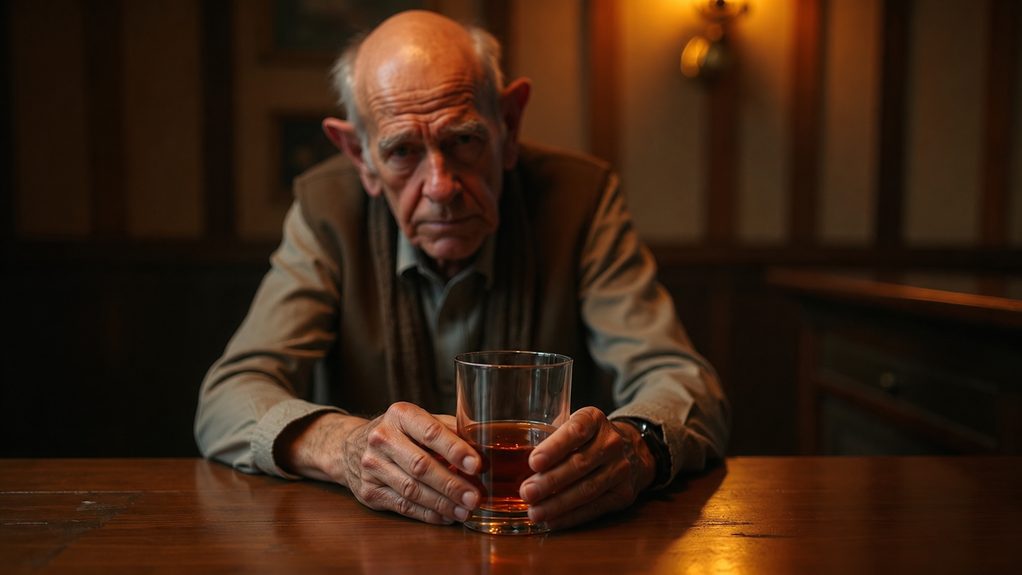
Reverse tolerance to alcohol is a condition in which the body becomes more sensitive to alcohol, producing stronger effects from progressively smaller amounts. This operates in the opposite direction of conventional tolerance, which requires escalating doses to achieve a given effect. Reverse tolerance alcohol, also termed drug sensitization, describes an increased physiological reaction following repeated use. You’ll experience intoxication more quickly and with less alcohol than expected, contrasting sharply with the adaptive mechanisms underlying conventional tolerance. Learning reverse tolerance facts shows why smaller amounts of alcohol can suddenly feel much stronger, giving you key insights to make safer choices for your health.
Alcohol reverse tolerance stems primarily from two mechanisms: hepatic damage that impairs enzyme production and metabolism, and neurological adaptations that heighten receptor sensitivity. Because you can’t metabolize alcohol effectively, blood alcohol concentration rises rapidly, increasing your risk of adverse reactions and overdose at lower consumption levels.
Why does a longtime drinker get drunk on less alcohol
A longtime drinker gets drunk on less alcohol because chronic alcohol consumption damages the liver, the organ responsible for metabolizing alcohol. When your liver sustains significant damage, it fails to produce sufficient enzymes required to break down alcohol effectively. This impaired metabolism means alcohol accumulates in your bloodstream, elevating your blood alcohol concentration (BAC) rapidly even from small quantities. Consequently, you experience intoxication faster and more intensely than expected, a hallmark of reverse alcohol tolerance. If you’ve sustained severe liver damage, you might show visible drunkenness after only two or three drinks. This condition typically affects only individuals with substantial alcoholic liver damage, distinguishing it from other tolerance mechanisms. The reduced enzymatic capacity directly explains why your body can no longer process alcohol efficiently.
How does liver damage cause reverse alcohol tolerance
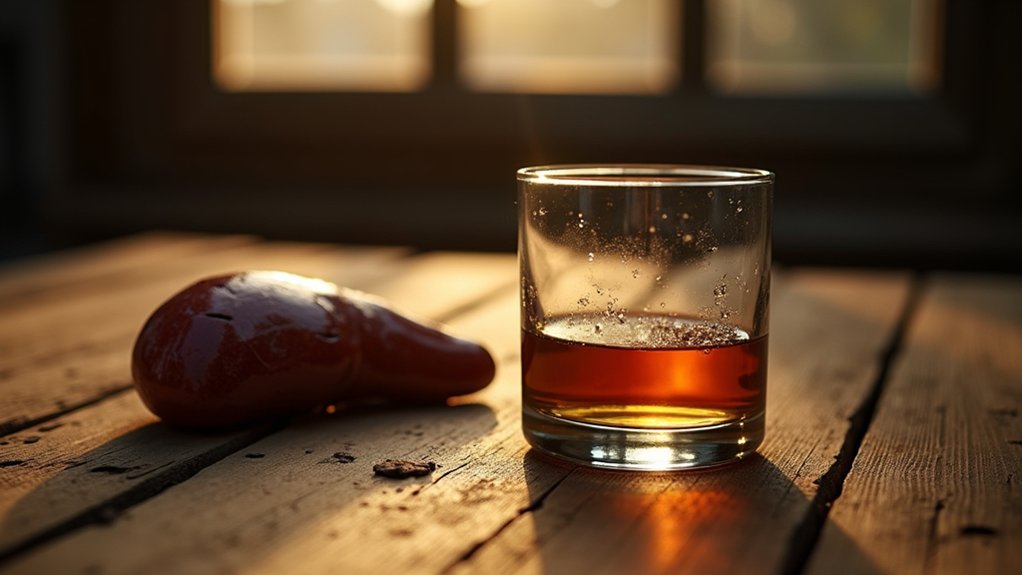
Liver damage causes reverse alcohol tolerance by compromising the organ’s ability to produce the enzymes needed to metabolize alcohol. Without sufficient enzymatic activity, you can’t break down alcohol efficiently, so even small quantities accumulate in your bloodstream. This produces higher blood alcohol concentration (BAC) and rapid intoxication from amounts that once had minimal effect.
Here’s how the mechanism unfolds:
- Chronic alcohol exposure inflicts cumulative hepatic damage
- Damaged hepatocytes fail to synthesize adequate metabolic enzymes
- Impaired metabolism slows alcohol clearance from your system
- Reduced clearance drives BAC upward from smaller doses
- Higher BAC triggers faster, more intense intoxication
Consequently, you experience visible drunkenness after just two or three drinks, signaling significant alcoholic liver damage that demands professional medical evaluation.
How does aging affect alcohol tolerance
Aging reduces your alcohol tolerance by slowing your body’s ability to process alcohol, making you more sensitive to its effects even if your drinking habits haven’t changed. Your liver’s enzyme production diminishes with age, reducing your ability to metabolize alcohol efficiently. This slower metabolism raises your blood alcohol concentration (BAC) from smaller quantities, accelerating intoxication.
Aging also decreases your total body water content, so alcohol concentrates more heavily in your bloodstream. Your brain becomes increasingly sensitive to alcohol’s effects, amplifying impairment and adverse reactions.
Combined with age-related health conditions and medications, these physiological changes heighten your risk of intoxication, accidents, and overdose. If you notice you’re getting drunk faster than before, this reflects declining metabolic function and warrants professional evaluation to rule out underlying liver damage.
What is the difference between alcohol tolerance and reverse tolerance
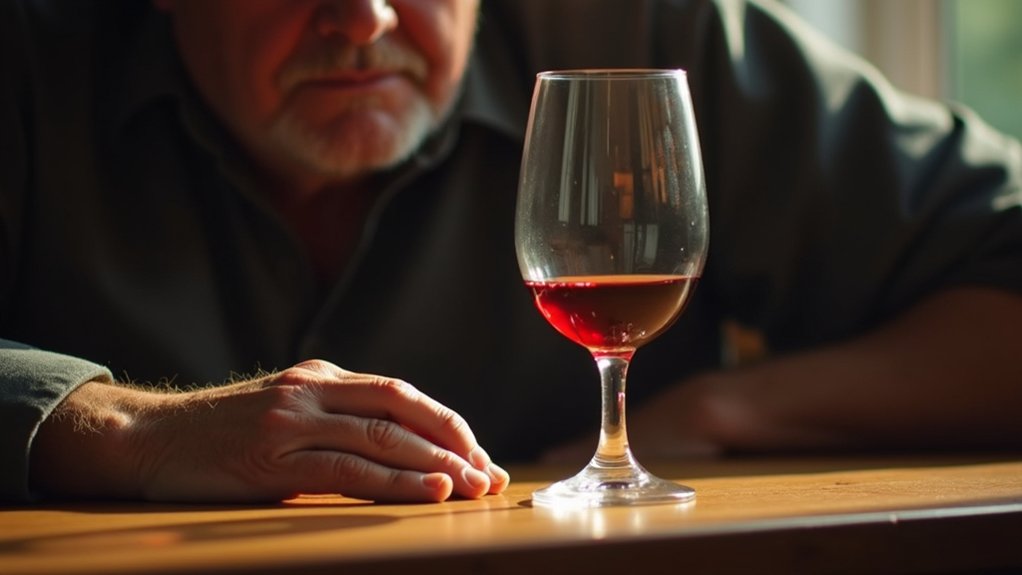
Alcohol tolerance means you need higher doses to achieve the same effect as your body adapts and metabolizes alcohol more efficiently, while reverse tolerance means you become more sensitive, experiencing intoxication faster and from smaller quantities, often due to liver damage that impairs enzyme production and alcohol metabolism. These two responses describe opposite physiological reactions to repeated drinking. Identifying which drugs cause reverse tolerance helps you spot potential interactions early and avoid unexpected, heightened reactions to other substances.
| Alcohol Tolerance | Reverse Tolerance |
|---|---|
| Requires more alcohol for effect | Requires less alcohol for effect |
| Body adapts, metabolizes efficiently | Liver damaged, metabolizes poorly |
| Develops from chronic exposure | Develops from cumulative liver damage |
| Lower BAC per drink | Higher BAC per drink |
| Reversible through abstinence | Signals underlying health concerns |
This distinction helps you recognize when your drinking patterns indicate potential organ damage.
Why is reverse tolerance to alcohol dangerous
Reverse tolerance is dangerous because your body can no longer process alcohol as it once did. When your liver fails to produce sufficient metabolizing enzymes, even small quantities elevate your blood alcohol concentration rapidly, triggering intoxication at doses you’d previously tolerated. This impaired metabolism compounds your risk of serious harm. Understanding reverse tolerance and weed helps explain why smaller doses can start feeling stronger over time, making mindful consumption much easier to manage.
- Overdose risk increases notably, as minimal consumption produces dangerously high BAC levels.
- Accidents and injuries become more likely due to rapid, unexpected impairment.
- Self-harm risk elevates alongside diminished cognitive and motor control.
- Severe symptoms including seizures, tremors, and psychosis may emerge.
- Underlying liver damage signals progressive disease requiring intervention.
If you’re experiencing these signs, seek professional help immediately, since they indicate serious health concerns.
How Fortify Wellness helps with alcohol-related health changes
Fortify Wellness helps with alcohol-related health changes like reverse tolerance by providing the clinical intervention you need to address both the underlying liver damage and the neurological adaptations driving increased sensitivity. Your treatment begins with a thorough assessment of hepatic function, measuring enzyme deficiencies that impair alcohol metabolism and elevate your blood alcohol concentration. Clinicians evaluate neurological factors, including receptor upregulation and behavioral sensitization, to identify the mechanisms intensifying your response. Because complete abstinence remains the only method to reset functional tolerance and reverse brain adaptation, you’ll receive structured support throughout the two-to-five-week recovery window when tolerance levels normalize. Fortify Wellness monitors withdrawal symptoms like tremors, seizures, and agitation, reducing your overdose and self-harm risk while addressing the health concerns underlying your heightened sensitivity. Asking I relapsed what now allows you to pause without judgment, lean on your support system, and turn a temporary setback into a clearer path forward.
Getting Drunk on Two Drinks Isn’t Normal. It’s a Warning.
If it now takes far less alcohol to feel drunk, your liver may no longer be breaking it down the way it should, and that points to real damage worth taking seriously. Fortify Wellness starts with an assessment of your liver function and the changes driving your heightened sensitivity, then builds care around what we find. Because abstinence is the only way to reset tolerance and let the body recover, we monitor you through withdrawal for symptoms like tremors, seizures, and agitation, lowering the risk that comes with rapid, unexpected impairment. Our alcohol detox and outpatient programs in Granada Hills give you that structure and medical oversight.
If small amounts are hitting you hard, don’t wait it out. Call (818) 918-9564 or get help now. Confidential support, 24/7.
FAQs
Why do I get drunk faster now than I used to?
When years of heavy drinking damage the liver, it stops making enough of the enzymes that break down alcohol. Alcohol then builds up in your bloodstream instead of clearing, so your blood alcohol level climbs quickly off small amounts. With significant damage, some longtime drinkers look visibly drunk after just two or three drinks.
Is reverse tolerance to alcohol a sign of a serious problem?
Usually, yes. It tends to show up only after substantial liver damage has already accumulated, so it’s less a quirk and more a signal of progressing disease. Getting drunk on less than before is a reason to get your liver function evaluated rather than to simply drink less and move on.
How is this different from just having a low tolerance?
Regular tolerance and reverse tolerance run in opposite directions. With normal tolerance your body adapts and you need more alcohol for the same effect. With reverse tolerance a damaged liver processes alcohol poorly, so you need less. One is your body adapting; the other is your body failing to keep up.
Does aging cause this too, or is it always liver damage?
Aging plays a role on its own. Enzyme production slows with age and your body holds less water, so alcohol concentrates more and hits harder even if your drinking hasn’t changed. That said, if you’re getting drunk noticeably faster, it’s worth an evaluation to rule out underlying liver damage rather than assuming it’s just age.
Why is this considered more dangerous than regular intoxication?
Because the impairment comes on fast and unexpectedly from amounts you used to handle, which raises the risk of overdose, accidents, and injury. In serious cases it can come with seizures, tremors, or psychosis. Those signs point to real health concerns and warrant prompt medical attention.