







Reverse tolerance affects several substances, each through distinct mechanisms. You’ll see it with stimulants (cocaine, amphetamines), where repeated exposure upregulates receptors and amplifies effects. Alcohol causes metabolic reverse tolerance tied to liver damage. Opioids, cannabis, benzodiazepines, hallucinogens, nicotine, and SSRIs are also implicated. The causes vary, receptor changes, metabolic decline, or learned sensitization. Understanding which mechanism drives your response matters, because each carries different risks worth examining more closely below.
Key Takeaways
- Stimulants like cocaine and amphetamines cause sensitization, where repeated exposure upregulates neural receptors and amplifies motor and reward responses.
- Alcohol produces metabolic reverse tolerance, as long-term liver damage slows ethanol breakdown and raises blood concentrations from smaller intakes.
- Cannabis reverse tolerance stems from altered brain chemistry and endocannabinoid responsiveness, not organ damage, letting users need less over time.
- Opioids, benzodiazepines, hallucinogens, nicotine, and serotonin reuptake inhibitors are also implicated in reverse tolerance effects.
- Common mechanisms include receptor upregulation, metabolic decline, and learned sensitization triggered by environmental cues and repeated behaviors.
Which drugs are associated with reverse tolerance
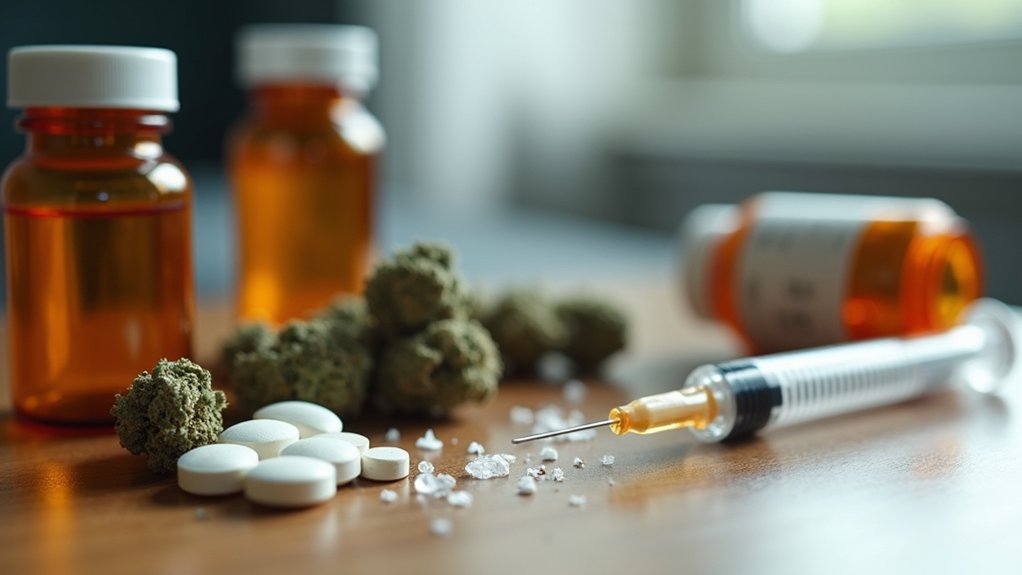
Reverse tolerance is associated with stimulants, alcohol, opioids, cannabis, benzodiazepines, hallucinogens, nicotine, serotonin reuptake inhibitors, and possibly kava. Stimulants top the list. Cocaine and amphetamines produce sensitization, meaning identical doses generate progressively stronger effects over time. Alcohol also qualifies, though its reverse tolerance typically signals late-stage liver damage that slows ethanol metabolism. Among drugs with reverse tolerance, you’ll encounter opioids like heroin and morphine, plus cannabis, where some users report needing less to achieve familiar effects. Comparing reverse tolerance vs regular tolerance makes it clearer why some substances require smaller doses over time, helping you manage health risks more effectively.
Other substances show sensitization potential too. Benzodiazepines, hallucinogens such as LSD and psilocybin, nicotine, and serotonin reuptake inhibitors have all been implicated. Kava appears only in anecdotal reports, so you’ll want to treat that claim cautiously.
How does reverse tolerance happen with different substances
Reverse tolerance happens through several distinct biological processes, and the mechanism varies depending on the substance you’re using. With stimulants like cocaine and amphetamines, repeated exposure upregulates neural receptors and boosts their efficiency, amplifying your motor and reward responses. With alcohol, declining liver function slows metabolism, so smaller amounts stay in your bloodstream longer, intensifying effects that often signal late-stage damage. Understanding reverse tolerance to alcohol shows how smaller amounts can suddenly cause strong intoxication, making it vital to recognize these changes and protect your health.
Consider how three factors drive these differences:
- Receptor changes: Upregulation and increased efficiency heighten your sensitivity to identical doses.
- Metabolic decline: Impaired liver function raises blood concentrations from smaller intakes.
- Learned sensitization: Environmental cues and repeated behaviors trigger amplified responses.
With cannabis, altered brain chemistry means you may need lower doses to reproduce previously stronger effects.
How does reverse tolerance work with alcohol

Reverse tolerance with alcohol works through a metabolic mechanism rather than a receptor-driven one, even though it shares the same label as other substances. When you drink heavily over years, your liver sustains progressive damage that impairs its capacity to metabolize ethanol. As hepatic function declines, you can’t break down alcohol efficiently, so even smaller amounts produce higher blood concentrations and stronger intoxication. This means you’ll feel pronounced effects from doses that once had minimal impact. Unlike sensitization in stimulants, which involves receptor upregulation and altered brain chemistry, alcohol’s reverse tolerance signals late-stage physical deterioration. If you notice you’re becoming intoxicated more easily, it often indicates significant liver impairment rather than neurological adaptation. This shift carries serious clinical implications, marking advanced disease progression and elevating your risk of accidental overdose.
How does reverse tolerance work with cannabis
Reverse tolerance with cannabis means you may find you need less to achieve the same effects over time. It differs sharply from alcohol’s mechanism, since it doesn’t stem from organ damage or impaired metabolism. This form of sensitization appears tied to changes in brain chemistry and how your endocannabinoid system responds to repeated exposure. Exploring reverse tolerance and weed shows how increased sensitivity can change your experience, helping you better understand how your body responds over time.
Unlike alcohol, cannabis reverse tolerance isn’t about damage, it’s your brain growing more responsive, needing less to feel more.
Several factors contribute to this phenomenon:
- Brain chemistry changes: Repeated exposure alters neural sensitivity, making your brain more responsive to lower doses.
- Receptor efficiency: Existing receptors may respond more effectively, amplifying effects without increasing intake.
- Learned sensitization: Environmental cues and prior experience can trigger amplified responses.
You might eventually require lower doses to reproduce effects that previously demanded higher amounts, reflecting genuine physiological and behavioral adaptation rather than accumulation.
Why do the mechanisms differ between substances
The mechanisms differ because each substance interacts with your body in a distinct way. Cannabis sensitization stems from neural adaptation, whereas alcohol’s reverse tolerance signals organ damage. Some drugs alter your receptors. Others accumulate or impair the organs that metabolize them. Understanding this distinction helps you interpret why the same phenomenon looks different across substances.
| Substance | Primary Mechanism | Bodily Interaction |
|---|---|---|
| Cannabis | Neural adaptation | Receptor efficiency changes |
| Alcohol | Liver impairment | Slowed metabolism, accumulation |
| Amphetamines | Receptor upregulation | Reward-pathway alteration |
| Cocaine | Behavioral sensitization | Learned cue amplification |
Because your liver metabolizes alcohol but not directly cannabis, damage-driven sensitization applies only where organ function declines. Stimulants sensitize through dopaminergic pathways, so their mechanisms reflect neurotransmission rather than metabolic breakdown.
How does reverse tolerance affect overdose risk across drugs
Reverse tolerance raises overdose risk by shifting the dose-response relationship, making overdose more likely at intake levels you previously handled without incident. When smaller doses produce greater effects, you can inadvertently exceed your body’s threshold, especially if you assume prior dosing remains safe. Learning reverse tolerance facts shows how your body can react in surprising ways, helping you make safer, more informed choices about substance use.
The danger varies by drug:
- Stimulants (cocaine, amphetamines): Sensitization heightens psychosis and seizure risk even at reduced doses.
- Alcohol: Reverse tolerance signals liver damage, slowing metabolism and raising blood concentrations from smaller amounts.
- Opioids: Enhanced sensitivity increases respiratory depression risk, a primary cause of fatal overdose.
You should recognize that dosing based on past tolerance becomes unreliable once sensitization develops, elevating accidental overdose potential considerably.
How Fortify Wellness helps when tolerance changes warrant treatment
Fortify Wellness helps when tolerance changes warrant treatment by providing clinical support that accounts for heightened drug sensitivity rather than standard tolerance. You’ll receive assessment that identifies whether reverse tolerance is driving your increased responses, detailed overdose risk, or emerging symptoms like psychosis, seizures, or agitation. Your treatment team evaluates contributing factors, including liver impairment, chronic stress, genetic susceptibility, and drug exposure history, to build an individualized plan. Because sensitization increases your vulnerability to adverse effects at lower doses, medical monitoring protects you during stabilization and withdrawal. You’ll benefit from evidence-based interventions targeting the neuroadaptive changes underlying your altered sensitivity, including receptor upregulation and behavioral sensitization. When tolerance changes signal late-stage physical damage, Fortify Wellness connects you with comprehensive care addressing both dependence and physiological consequences.
Get Answers About a Tolerance Change at Fortify Wellness
When smaller amounts start producing stronger effects, dosing based on your past becomes a gamble, and the risk of accidental overdose climbs. At Fortify Wellness, our team assesses whether reverse tolerance is driving your response, screens for liver impairment and other contributing factors, and builds a plan around what we find. We offer PHP, IOP, and OP programs in Granada Hills with medical monitoring through stabilization and withdrawal.
Verify your insurance or call (818) 918-9564. Help is available 24/7 and every conversation is private.
FAQs
Can reverse tolerance happen with more than one substance at once?
Yes. If you use multiple substances, you can develop different patterns at the same time, since each works through its own mechanism. Someone might have alcohol reverse tolerance tied to liver decline while also showing stimulant sensitization from cocaine or amphetamines. That mix makes dosing even harder to predict and raises overall risk.
Is cannabis reverse tolerance a sign of damage like it is with alcohol?
No. Cannabis reverse tolerance comes from changes in brain chemistry and how your endocannabinoid system responds, not from organ damage. Alcohol is the opposite case, where needing less usually points to late-stage liver impairment. Same label, very different cause.
Why do I get intoxicated faster on less alcohol than I used to?
That shift often means your liver can no longer break down ethanol the way it once did. As liver function drops, smaller amounts stay in your bloodstream longer and produce higher blood alcohol levels. It tends to signal advanced liver damage, so it is worth a medical evaluation rather than a wait-and-see.
Does reverse tolerance make overdose more likely?
It can. Once smaller doses produce stronger effects, dosing based on what you handled in the past becomes unreliable. With stimulants that means higher seizure and psychosis risk, and with opioids it means greater risk of respiratory depression, which is a leading cause of fatal overdose.
How do I know if my changing response is reverse tolerance or something else?
You often can’t tell on your own, because the same pattern can come from receptor changes, slowed metabolism, or learned sensitization. A medical assessment can screen liver function, review your substance history, and identify what’s actually driving the change so you’re not guessing.